Egypt national football team may have avoided some of the tournament’s traditional heavyweights in the 2026 World Cup draw, but Group G is proving to be far more complicated than it first appears.
Alongside Egypt are Belgium national football team, Iran national football team and New Zealand national football team — four nations entering the competition with different ambitions, tactical approaches and unanswered questions.
On paper, Belgium remain favourites to top the group because of the depth and quality available within their squad. Yet recent tournament performances suggest they are no longer the dominant force they once appeared to be.
Belgium were eliminated in the group stage of the 2022 World Cup in Qatar and exited Euro 2024 in the round of 16, highlighting the uncertainty surrounding a team currently navigating a generational transition.
For Egypt, the tournament represents another opportunity to end years of disappointment on football’s biggest stage. Their previous World Cup appearances in 1990 and 2018 both ended in first-round exits, and the Pharaohs are still searching for their first victory in the competition.
Salah Leads Egypt’s New Ambition
Under coach Hossam Hassan, Egypt arrive at the tournament following an impressive qualifying campaign built on defensive discipline.
The team conceded only two goals in 10 qualifying matches, underlining the organisation that has become central to Hassan’s tactical identity.
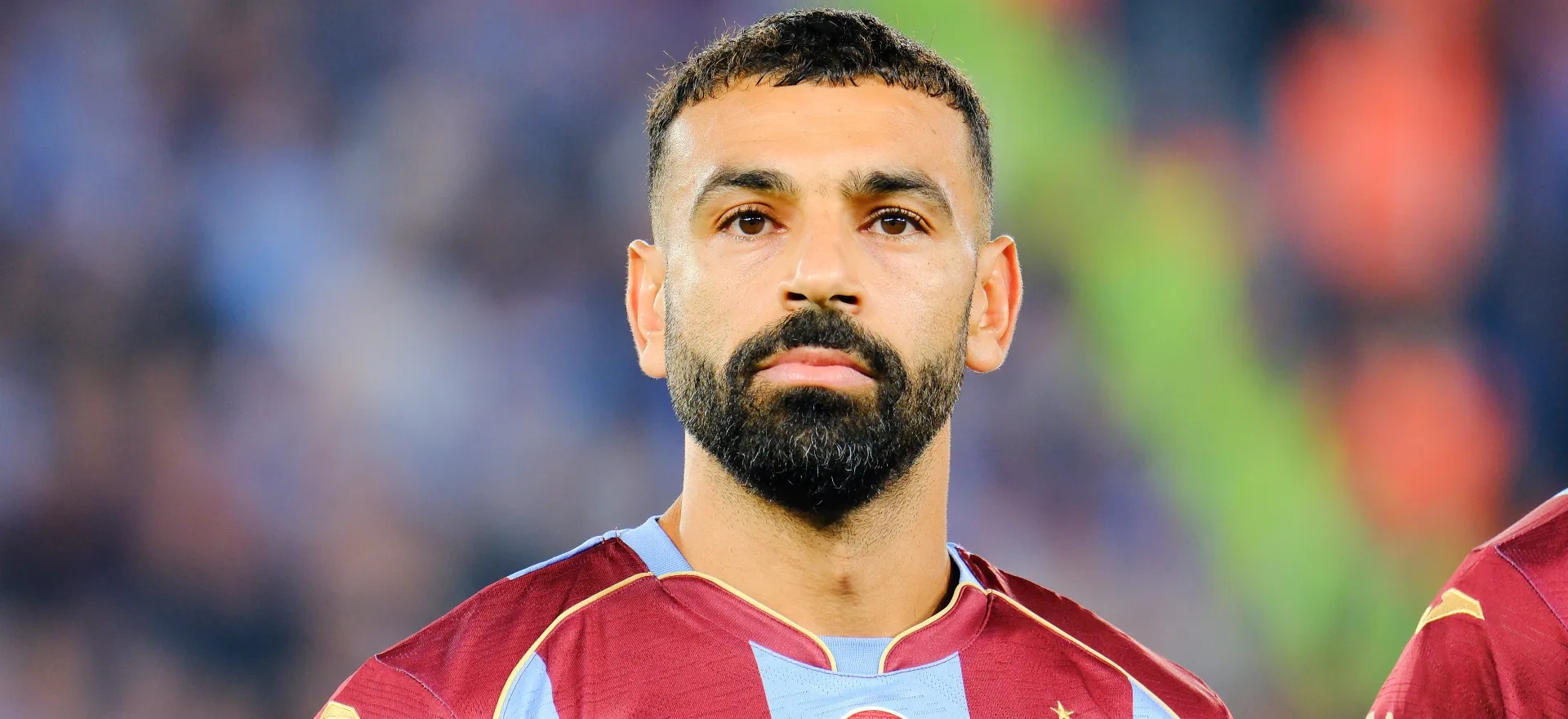
Captain Mohamed Salah is expected to carry much of the attacking responsibility, alongside Omar Marmoush. Salah scored 20 goals across two World Cup qualifying campaigns, including nine in the most recent run, and hopes to guide Egypt into the knockout stages for the first time in their history.
Egypt’s approach is likely to focus on defensive solidity and quick transitions. Hassan frequently deploys a 5-4-1 system when out of possession, relying on close marking and compact defensive lines before launching counter-attacks through the pace of Salah and Marmoush.
That structure was evident in Egypt’s goalless draw against Spain last March, a result that demonstrated the side’s ability to frustrate technically stronger opponents.
Belgium Still the Team to Beat
Despite concerns over inconsistency, Belgium possess the strongest squad in the group.
Coach Rudi Garcia has largely favoured a 4-2-3-1 formation during his early spell in charge, building attacks around wide players such as Jeremy Doku and Alexis Saelemaekers.
Belgium’s tactical system depends heavily on movement from full-backs and attacking midfielders. Kevin De Bruyne remains central to their creativity, while Leandro Trossard is often given freedom to drift across attacking areas.
In attack, Charles De Ketelaere and Lois Openda have alternated in the centre-forward role because of recurring injury concerns surrounding Romelu Lukaku.
However, Belgium have shown vulnerability from set pieces, conceding goals from dead-ball situations against Mexico, the United States and Wales.
Iran Could Be the Group’s Most Difficult Opponent
Iran may not attract the same global attention as Belgium, but they enter the tournament as a disciplined and highly organised side.
Coach Amir Ghalenoei is expected to adopt a cautious style similar to Egypt’s, focusing on defensive structure and counter-attacking opportunities.
Speaking in January 2024, Ghalenoei admitted that adopting a more attacking philosophy “takes time” and suggested expectations should remain realistic.
Iran’s experience could prove crucial. Veteran midfielder Saman Ghoddos and Saeid Ezatolahi are expected to provide stability, while captain Ehsan Hajsafi and defender Shoja Khalilzadeh bring leadership at the back.
One of the biggest talking points surrounding Iran is the exclusion of striker Sardar Azmoun. His long-standing partnership with Mehdi Taremi had produced 18 goals in 67 matches.
Taremi, now playing for Olympiacos after leaving Inter Milan, remains Iran’s key attacking figure and will likely partner winger Mohamed Mouhibi, whose pace and movement behind defenders could create problems for opponents.
Iran lost only one of their 16 qualifying matches and arrive with a FIFA ranking placing them seven spots above Egypt.
New Zealand Hoping to Surprise Again
New Zealand are the lowest-ranked team in the group but could still prove dangerous.
Their recent friendly victories over Chile and Ivory Coast, along with a draw against Norway, have boosted confidence ahead of the tournament.
The side dominated Oceania qualifying, winning all five matches while scoring 29 goals and conceding only once.
Set pieces remain one of their biggest strengths, while midfielder Marko Stamenic plays a key role in winning possession and controlling space in midfield.
However, concerns remain over the fitness of leading striker Chris Wood, whose possible absence through injury could significantly weaken their attacking threat.
New Zealand famously drew all three group matches at the 2010 World Cup, including a result against reigning champions Italy, and will believe another upset is possible.
For Egypt, the path to the knockout rounds may look achievable at first glance. Yet with Belgium rebuilding, Iran highly organised and New Zealand carrying momentum, Group G appears anything but straightforward.