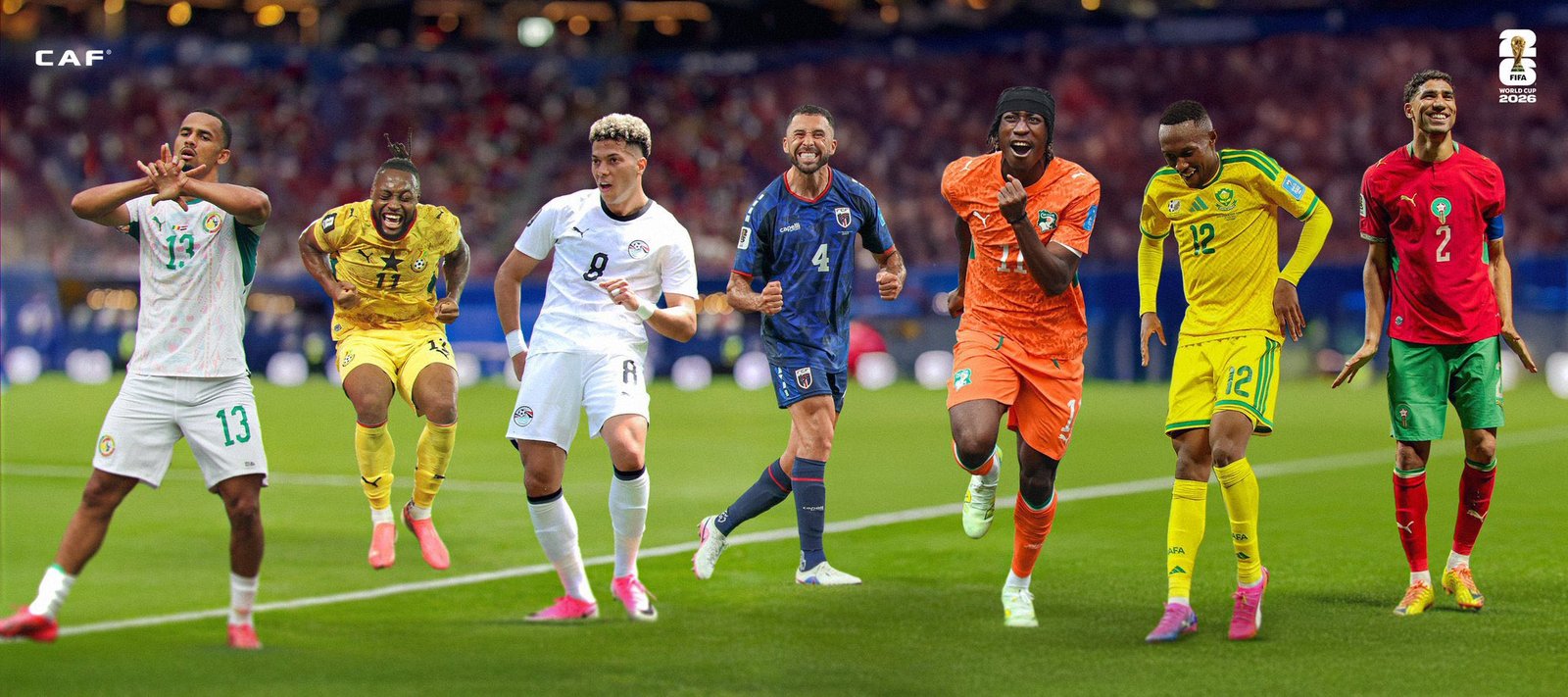
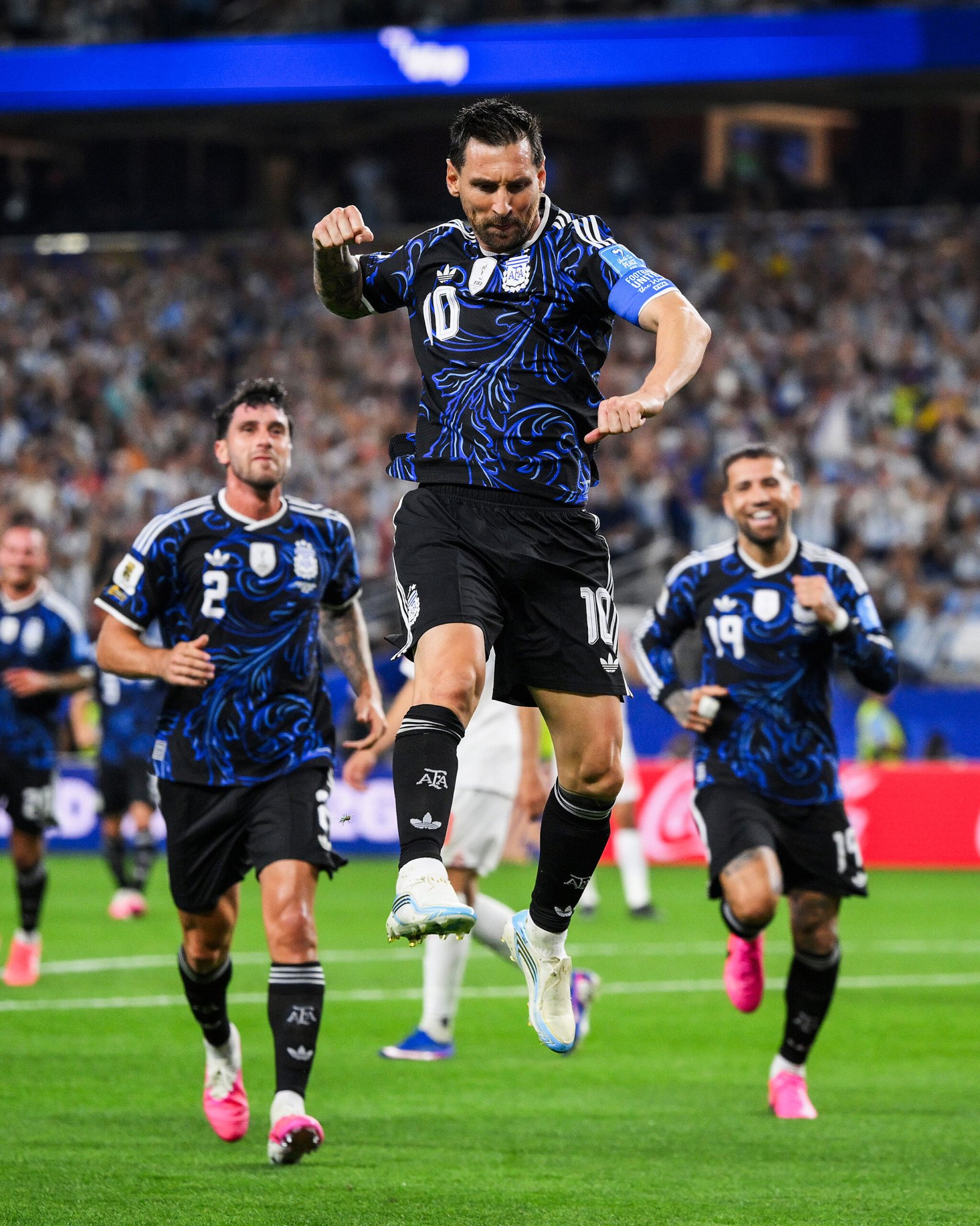
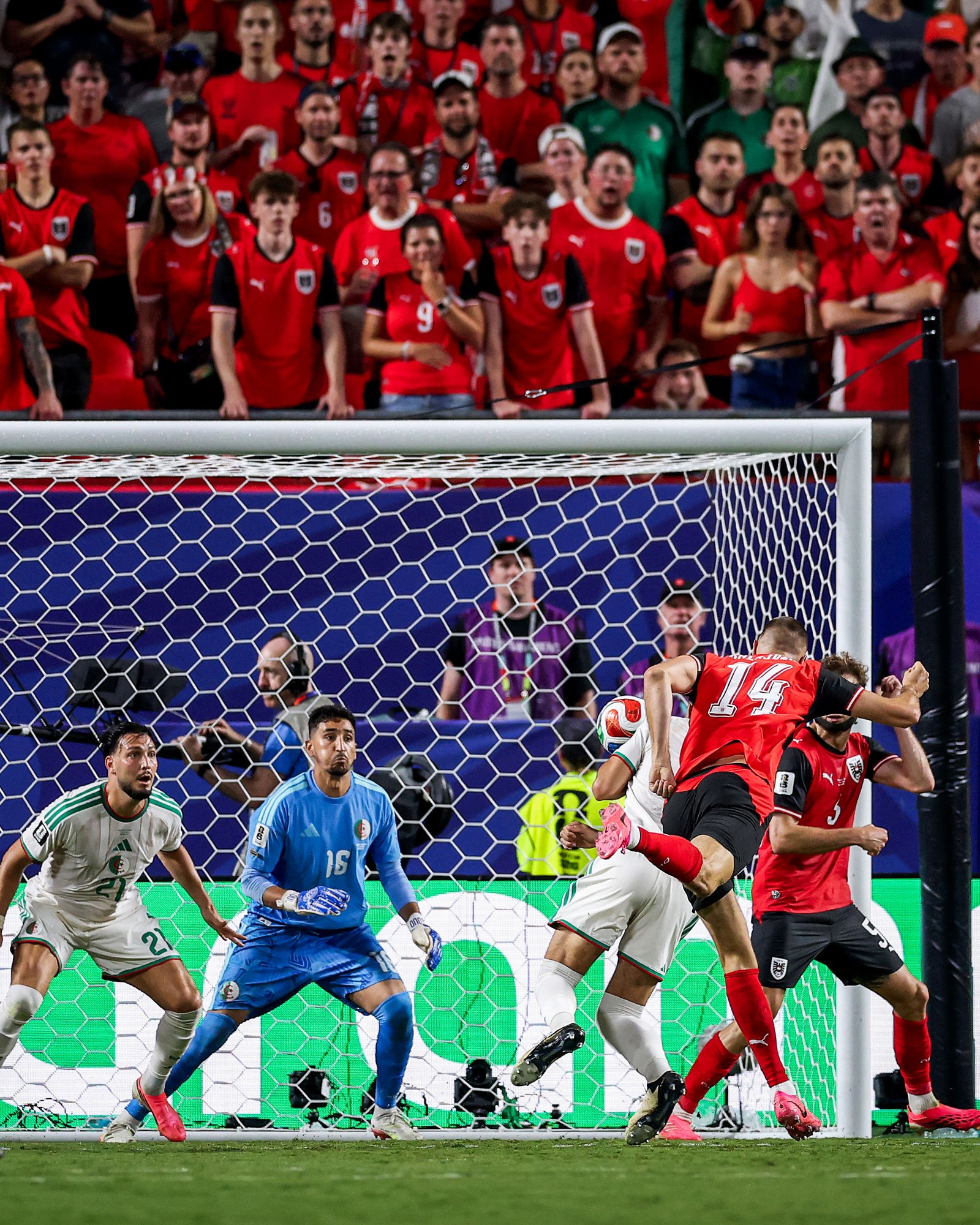
Nine of Africa’s 10 representatives at the 2026 FIFA World Cup have advanced to the knockout stage after a group phase that has underlined the continent’s growing strength on football’s biggest stage.
The teams progressing include Morocco, South Africa, Ivory Coast, Egypt, Cape Verde, Ghana, Senegal, Democratic Republic of the Congo and Algeria, with only Tunisia failing to progress beyond the group stage.
The achievement marks one of the strongest collective performances ever recorded by African nations at a World Cup, made possible in part by the expanded format, which allows more third-placed teams to reach the Round of 32.
Even so, the scale of African representation in the knockout phase has still been widely regarded as a landmark moment.
Several teams impressed with consistent group-stage performances, while others progressed through tight qualification scenarios decided on goal difference or crucial late results. The overall picture, however, was one of resilience and competitiveness across the board.
Morocco and Senegal once again carried expectations as established continental heavyweights, both showing composure in difficult groups and securing passage with disciplined displays.
Their progress continues a recent trend of African teams becoming increasingly difficult to eliminate in the early stages of major tournaments.
There were also breakthrough stories. Cape Verde emerged as one of the surprise packages of the tournament, reaching the knockout phase in what is a historic milestone for the nation on its World Cup debut.
Similarly, Democratic Republic of the Congo delivered one of the standout narratives of the group stage, advancing from a competitive group to reach the Round of 32 for the first time in decades.
Elsewhere, South Africa and Egypt both demonstrated steady progress, reflecting the continued development of North and Southern African football on the international stage.
Ivory Coast and Algeria also navigated challenging groups to secure their places in the next round, reinforcing West and North Africa’s strong presence in the tournament.
Ghana completed the list of qualifiers, showing enough quality and determination to advance from a tightly contested group phase.
The only African side to exit the competition was Tunisia, who were unable to find the consistency required to secure a top-two finish or a strong enough record to progress as one of the best third-placed teams.
Attention now turns to the Round of 32, where Africa’s representatives will face some of the world’s strongest sides in direct knockout ties.
With nine nations still involved, there is growing anticipation that at least one African team could mount a serious challenge deep into the tournament.