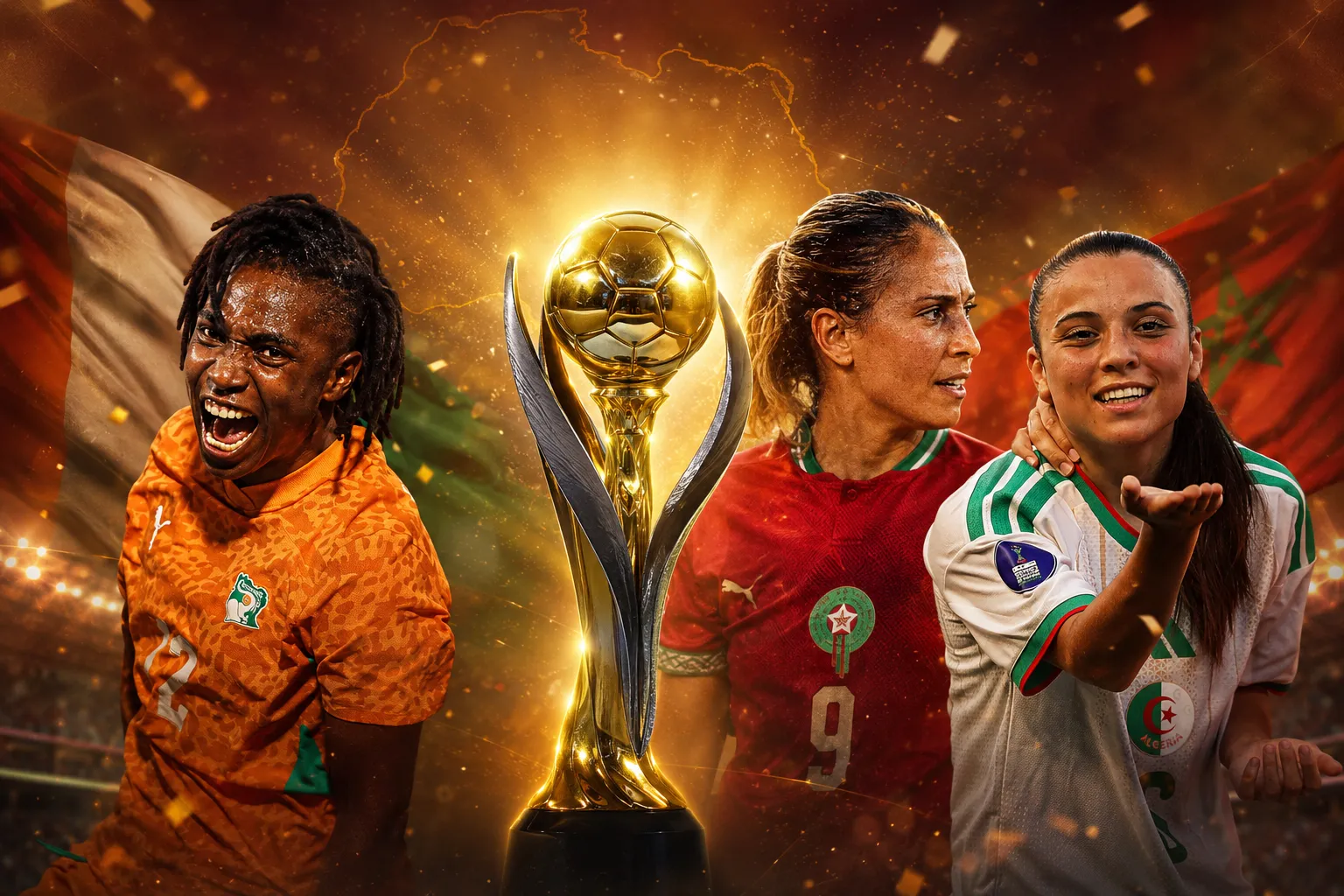

Morocco head coach Mohamed Ouahbi has defended the commitment of the Atlas Lions‘ dual-national players ahead of their Round of 32 clash against the Netherlands at the 2026 FIFA World Cup, insisting their loyalty lies solely with the Moroccan national team.
Several members of Morocco’s squad were born or raised abroad and were eligible to represent other countries before choosing the Atlas Lions. With a knockout meeting against the Netherlands approaching, the subject of national identity has once again become a talking point.
Ouahbi, however, dismissed any suggestion that holding another nationality diminishes a player’s commitment to Morocco.
“There are players who hold other nationalities, but they chose to represent Morocco,” Ouahbi said during his pre-match press conference.
“When it comes to the game, loyalty is only to the national shirt, regardless of any other considerations.”
The Morocco coach acknowledged that facing countries where some of his players were born or developed can create an emotional challenge, but insisted his focus remains on ensuring the squad is mentally prepared.
“For dual-national players, it can sometimes be emotionally complicated,” he explained. “But the most important thing for me is that they are in the best mental condition and enter the game with full focus.”
The debate surrounding Morocco’s dual-national footballers has accompanied the national team for years, particularly during major international tournaments. Critics have occasionally questioned whether players raised abroad share the same emotional connection to the country as those born in Morocco.
Ouahbi rejected that narrative, pointing instead to the commitment his players have consistently shown since choosing to represent the Atlas Lions.
Morocco’s recent success on the international stage has been built on unity, regardless of where players were born or developed. The squad reflects the country’s large global diaspora, with many players maintaining strong cultural and family ties to Morocco despite growing up in cities such as Amsterdam, Brussels, Paris or Madrid.
The coach believes that commitment should be judged by performances and dedication on the pitch rather than by birthplace.
“I am confident that Morocco comes first for them,” Ouahbi said.
“They are proud to wear the national team shirt, and they aim to win and make the supporters happy.”
Morocco now turn their attention to one of the standout fixtures of the Round of 32, with a place in the last 16 at stake against the Netherlands.
For several members of the Atlas Lions squad, the encounter will carry added emotion because of their personal backgrounds and footballing development. Nevertheless, Ouahbi insists that once the match begins, there is only one identity that matters.
“As the coach stated, once the game starts, the only loyalty is to the Moroccan shirt.”