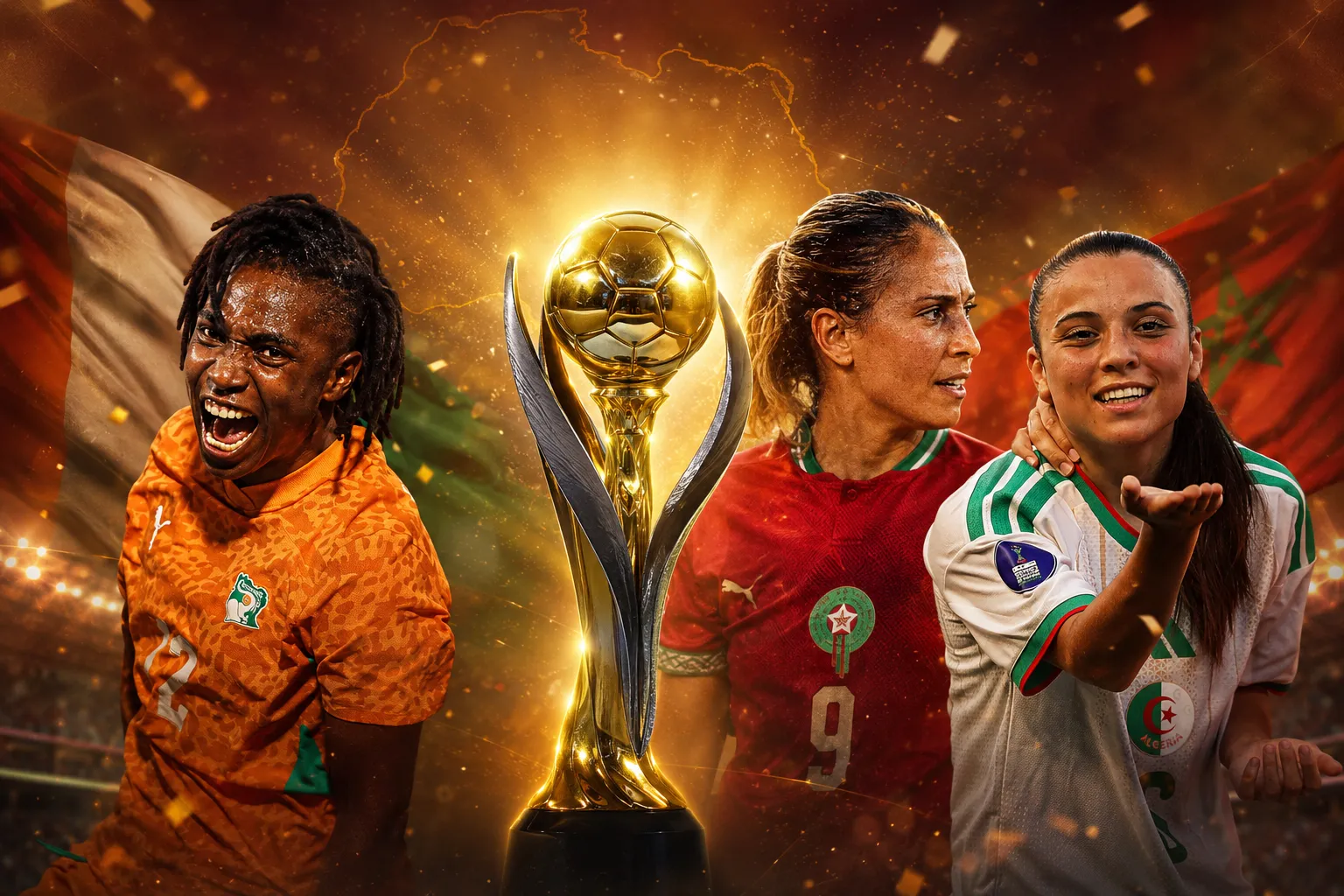
Ivory Coast have set a clear objective for the 2026 FIFA World Cup after football federation president Idriss Diallo declared that the Elephants must finally progress beyond the group stage for the first time in their history.
Speaking in an interview with NCI on 14 May, Diallo said the West African nation must aim higher after years of frustration on football’s biggest stage.
“The minimum objective is to get out of the group stage. There’s no point in hiding that. After that, we’ll have to go as far as possible,” declared Idriss Diallo.
The statement comes after the draw for the 2026 World Cup placed Ivory Coast in a challenging Group E alongside Germany, Ecuador and Curaçao.
The group has already been described as one of the tournament’s most competitive, with the African champions now facing the task of translating continental success into progress on the global stage.
For the Elephants, the tournament represents another opportunity to rewrite their World Cup history.
Despite producing some of Africa’s most talented football generations and qualifying for previous editions in 2006, 2010 and 2014, Ivory Coast have never managed to advance beyond the first round.
That record remains a major source of motivation for the current squad and coaching staff led by Emerse Faé.
Ivory Coast arrive at the tournament carrying significant momentum after qualifying unbeaten through the African qualifiers, reinforcing belief that the current team could finally achieve what previous generations could not.
Their recent rise has also been strengthened by continental success, with the Elephants entering the World Cup as reigning African champions.
Across Africa, expectations are growing for several national teams to challenge more strongly at international level following years of steady improvement in player development and tactical organisation.
Ivory Coast’s ambition to move beyond the group stage reflects a wider desire among African nations to compete deeper into major tournaments rather than merely participate.
The challenge facing the Elephants, however, remains substantial.
Germany bring extensive World Cup pedigree and experience, while Ecuador have consistently proven difficult opponents on the international stage.
Curaçao may be viewed as outsiders in the group, but modern international football has repeatedly shown that smaller nations can still create major surprises.
For Ivory Coast, consistency and mental strength could prove decisive if they are to achieve their target.
The squad is expected to rely on the confidence gained from their unbeaten qualification campaign as well as the momentum generated by their recent continental triumph.
Much attention will now turn to how coach Emerse Faé prepares his side tactically for a group containing different football styles and levels of experience.
The 2026 World Cup could also represent an important moment for African football as a whole, with more teams from the continent seeking to make stronger impacts against traditional global powers.
Ivory Coast’s ambitions underline that changing mentality.
Rather than simply hoping to compete respectably, the Elephants are openly targeting progression to the knockout rounds and potentially beyond.