Tensions surrounding the upcoming elections of the Congolese Association Football Federation intensified on Friday after a coalition of rejected candidates called for the immediate suspension of the electoral process, alleging serious irregularities and favoritism.
The group, made up of candidates whose applications to contest the elections were dismissed, says the process has failed to guarantee fairness and transparency in the race to lead Congolese football.
The dispute has increased pressure on authorities in the Democratic Republic of Congo, with growing calls for state intervention as uncertainty continues to surround the federation’s leadership elections.
Former DR Congo captain Jean-Claude Mukanya, who was also excluded from the presidential race, emerged as one of the leading voices of the protest movement.
Speaking on behalf of the coalition, Mukanya criticised the organisation of the elections and appealed directly to the country’s political leadership to intervene.
The rejected candidates submitted an official statement to the media in which they called on the President of the Republic and the Minister of Sports to halt what they described as a flawed and predetermined process.
According to the coalition, the framework governing the elections has failed to ensure equal treatment for all candidates seeking positions within the federation’s executive leadership.
The group argues that the handling of applications has already damaged the credibility of the elections and raised wider concerns about transparency within FECOFA.
The controversy marks a major escalation in tensions surrounding elections intended to appoint a new executive committee to oversee football administration in the country.
The coalition has also challenged suggestions that the elections must proceed quickly in order to maintain stability within Congolese football.
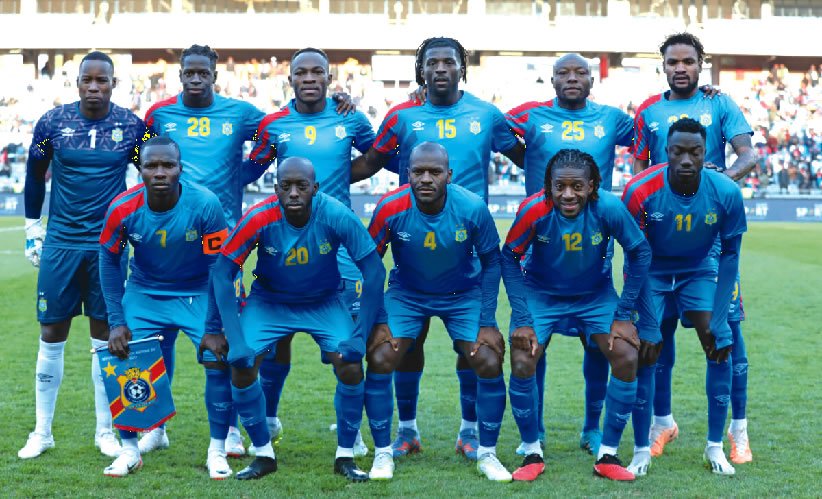
Members pointed to the recent performances of the national team under transitional leadership as evidence that football operations have continued effectively despite the absence of a permanent executive committee.
DR Congo’s qualification for the 2026 FIFA World Cup has become central to the coalition’s argument.
The rejected candidates insist the successful qualification campaign demonstrates that there is no urgent institutional crisis requiring elections to move forward under disputed circumstances.
The disagreement has now placed sporting authorities in a difficult position as scrutiny increases around the electoral commission and its willingness to continue with the scheduled process despite mounting criticism.
Observers within Congolese football are now closely watching whether government institutions will intervene or allow the federation’s electoral commission to proceed independently.
The situation has also drawn wider attention to issues of governance within Congolese football, where the federation plays a key role in overseeing domestic competitions and the national teams.
Mukanya’s involvement has further amplified public interest because of his status as a former Leopards captain and a respected figure within the country’s football community.
For now, uncertainty continues to overshadow the FECOFA elections as tensions remain high between organisers and the coalition of rejected candidates.
The coming days are expected to be crucial in determining whether the elections proceed as planned or whether pressure from the coalition results in a suspension or review of the process.
Regardless of the eventual outcome, the dispute has already cast a significant shadow over the FECOFA elections and raised fresh questions about the future governance and credibility of football administration in the Democratic Republic of Congo.