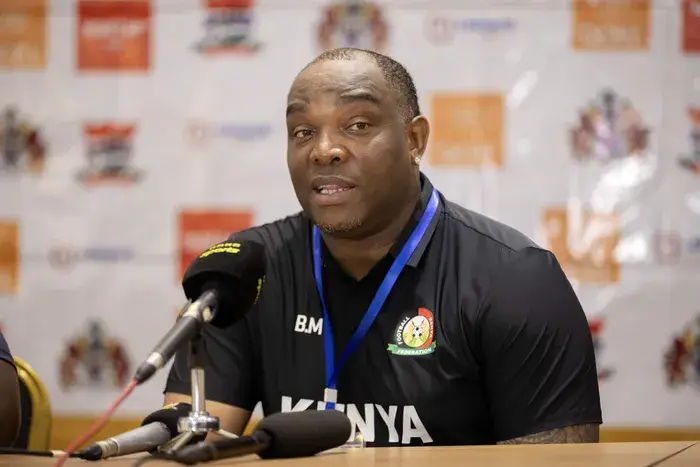
A candid and critical address by Djibrilla Hima Hamidou has cast a spotlight on deep-rooted issues within Malian football, as the country’s federation moves into a new leadership era.
Speaking at the Malian Football Federation’s extraordinary elective general assembly, Djibrilla did not hold back in his assessment of the challenges facing the sport.
Addressing delegates and key stakeholders, he pointed to persistent governance failures, lack of transparency, and recurring crises as major obstacles to progress.
His intervention came during a highly anticipated gathering intended to chart a new direction for football in Mali following months of institutional uncertainty.
Djibrilla warned that these long-standing issues are not only undermining domestic competitions but also damaging the country’s reputation on the international stage.
He described them as “plagues” affecting the game and called for urgent and far-reaching reforms.
Central to his message was the need for a complete overhaul of the system. He urged football authorities to adopt a new approach grounded in discipline, unity and strict adherence to rules.
According to him, restoring trust among players, supporters and administrators will require more than promises, but a genuine commitment to change.
The speech set a serious tone for the assembly, highlighting the scale of the task ahead for those entrusted with leading Malian football out of its current difficulties.
The gathering ultimately resulted in the election of Mahazou Baba Cissé as the federation’s new president.
He secured a commanding 69 out of 72 votes cast, reflecting strong backing from delegates at a time when expectations for reform are high.
Cissé now takes charge at a critical moment. The federation has been grappling with instability following the resignation of its previous executive committee, leaving governance structures weakened and national competitions affected.
While the election provides a degree of stability, Djibrilla’s remarks underline the challenges that remain unresolved.
Among the key priorities for the new leadership are restoring order within the governing body, improving transparency in decision-making, and revitalising domestic football.
The timing of the speech has amplified its impact, serving as both a warning and a roadmap for the future.
For many observers, it reflects broader governance concerns that continue to affect football across parts of the continent.
As Mali looks to turn the page on recent crises, the focus will now shift to whether the new administration can translate strong electoral support into meaningful reform.
Djibrilla’s message was clear: without decisive action and accountability, progress will remain limited.