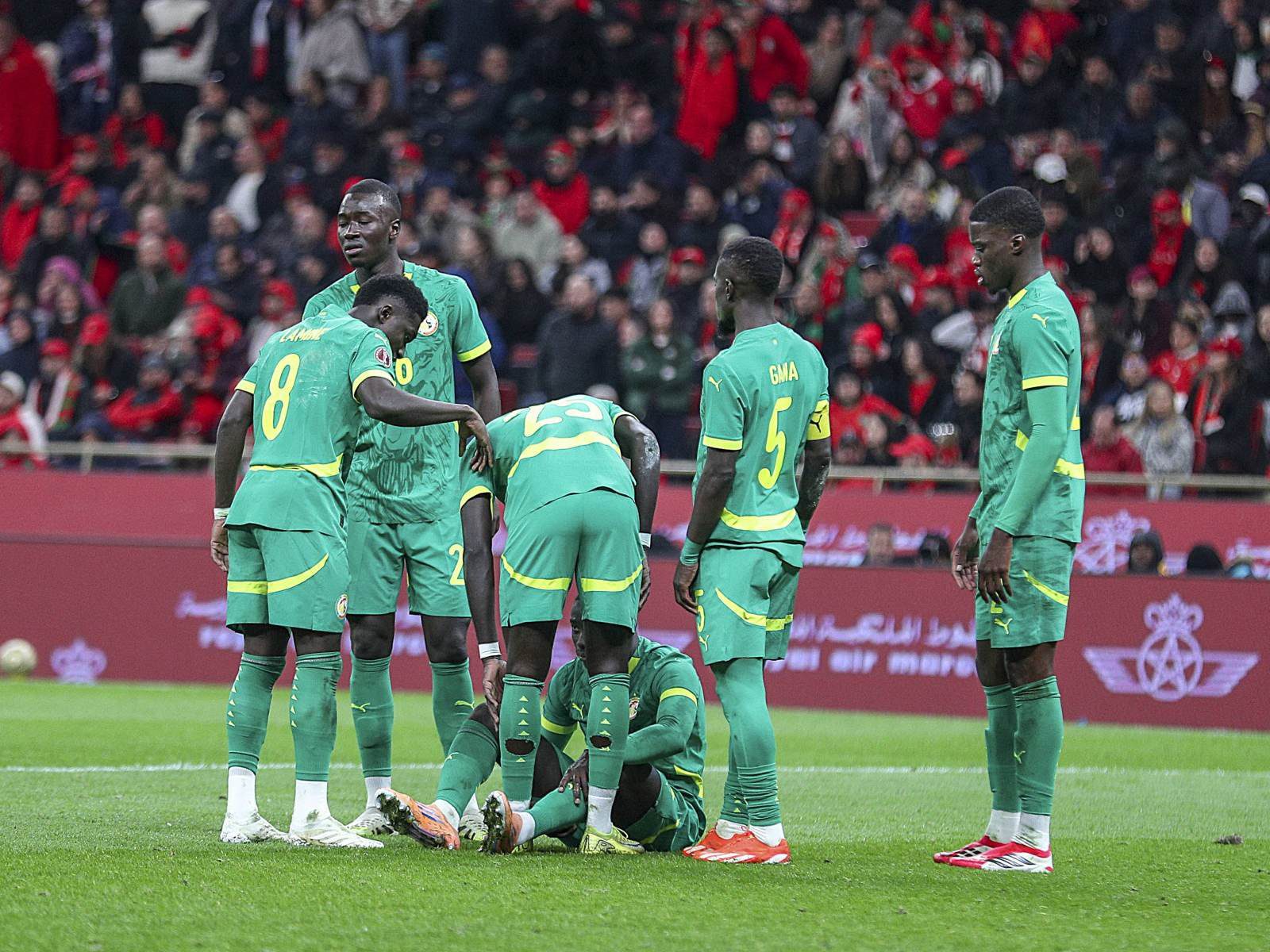

Patrick Vieira will begin his tenure as Senegal manager in September, when his side face Mozambique and Somalia in the opening two rounds of qualifying for the 2027 Africa Cup of Nations.
The appointment marks the end of Pape Thiaw’s time in charge and comes as Senegal seek to recover from the disappointment of the 2026 World Cup. Vieira, a 1998 world champion with France, has been handed the task of guiding the Lions through a period of transition.
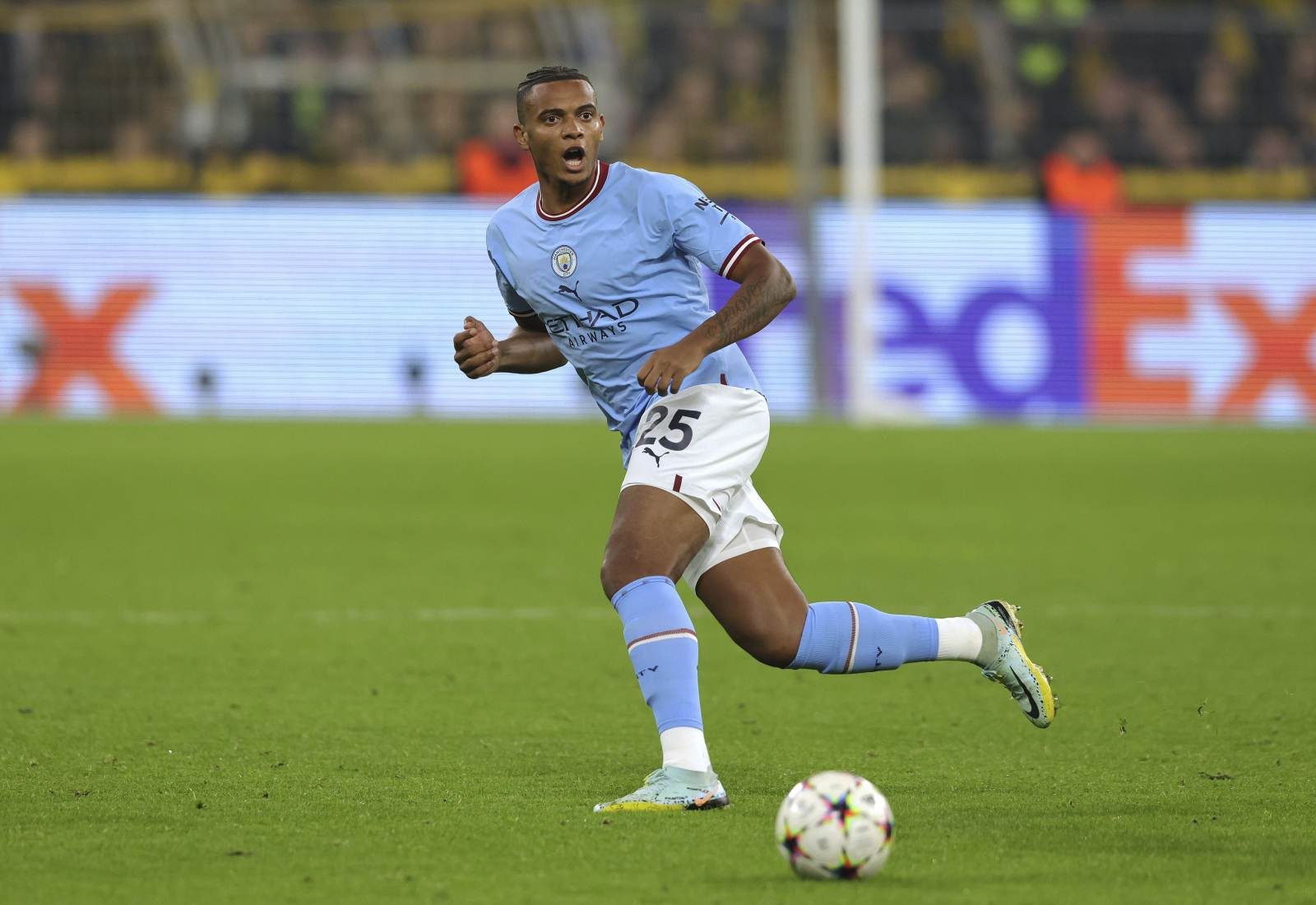
The 50-year-old is one of the best-known figures in world football. A commanding midfielder during his playing career, Vieira represented AC Milan, Arsenal, Juventus, Inter Milan and Manchester City, among other major clubs.
His honours include the Premier League with Arsenal in 1998, 2002 and 2004, as well as Serie A titles with AC Milan in 1996 and Inter Milan in 2007, 2008, 2009 and 2010. His pedigree at the highest level gives him considerable authority when dealing with Senegal’s established stars.
Vieira will hope that experience can help him build a cohesive team capable of challenging for more silverware. However, his record as a manager is far less impressive than his achievements as a player.
He began his coaching career with New York City in 2016, but 11 years after entering management he remains without a trophy. His most recent club position was at Genoa in Serie A.
Vieira guided Genoa to 13th place during his first season, but the team struggled to maintain that level or improve during the 2025-26 campaign. A difficult start to the season led to his dismissal in November 2025, before he took over the Senegal job.
Doubts over the appointment
Mouhamed Camara, a Senegalese journalist for Seneweb, believes Vieira may not have been the strongest candidate available, although he sees qualities that could benefit the national team.
“The best profile? Perhaps not. We realised, particularly at the World Cup, that we needed a better tactician. In his recent experiences, Patrick Vieira has not shown us that he is one,” Camara told Sport News Africa.
“However, when you look at those who were in contention for the job, nobody stood out completely, particularly in terms of tactical ability. Vieira is still an interesting profile. He is a strong-minded coach who can make bold decisions. He also has the advantage of possessing a dual culture, having been born in Senegal and spending part of his youth there.”
Sane Malang, another Senegalese journalist, also stopped short of describing Vieira as the ideal choice. He suggested, however, that the former France midfielder may have the qualities required to give the Lions fresh momentum.
“It is difficult to say whether he is the best profile or not. But if we base our judgement on his history at the various clubs, we cannot say he is currently the best profile,” Malang told Sport News Africa.
“When you compare the profiles of the coaches who applied to replace Pape Thiaw, such as Habib Beye, Omar Daf and Patrick Kluivert, with their careers, I would not say Vieira has the best profile. Why Vieira was chosen? Only the federation officials can tell us.”
Malang said the decision was influenced by Vieira’s perceived ability to oversee organisational change as Senegal enter a new phase.
“According to our information, he was chosen because of his ability to reform. The Senegal team is beginning a transition. As a former player who has won everything, Patrick Vieira will have the authority and strength of character to lead the national side and ensure this transition is successful,” he added.
First African national-team role
Unlike Aliou Cisse and Pape Thiaw, Senegal’s two previous managers, Vieira does not have extensive experience of the local and African football environment.
Although he was born in Dakar, Vieira moved to France at a young age and has been shaped largely by Western football culture. The Senegal job will be his first position in charge of an African national team.
He will also have little time to settle. His first competitive matches will come in the 2027 Africa Cup of Nations qualifiers against Mozambique and Somalia, meaning his tenure begins with fixtures that carry immediate importance.
Camara does not believe Vieira’s lack of previous experience as an African national-team coach will necessarily work against him. Instead, he expects the new manager to make the most of Senegal’s strong playing resources.
“I do not think so. Senegal have such a deep squad that it can hide certain weaknesses,” he said.
“Patrick Vieira will be under close scrutiny internationally. Senegal must get through this stage, and I believe that influenced the federation’s decision to appoint a former player who spent many years at the highest level.”
Camara said the greater questions would concern Vieira’s long-term management of the team.
“What remains to be seen is how he manages the Lions over time. At club level, he was not able to do that. He will also be judged on other points. Will he get the maximum from Senegal’s pool of players? Will he have the courage and judgement to leave out some established players whose performances have declined?” he asked.
Malang believes Vieira’s links with African football are stronger than his coaching record might suggest. He pointed to the former midfielder’s investments, including his involvement with Institut Diambars in Senegal.
“I would not say that he is discovering African football. It is true that this is the first time he will take charge of an African national team. But Patrick Vieira has been part of the African football ecosystem for a long time as an investor,” he said.
“Some people will say that it is not the same thing. But he is present and follows African football closely. He knows what is happening here. He was born in Dakar and, even though he grew up in France, he has never turned away from Dakar in terms of investment in football and Africa.”
Malang acknowledged that coaching a national team would bring a different responsibility, but said modern football allowed Vieira to compensate by appointing a strong technical staff.
“He has always been around African football, even if those are two different things. As a manager, he will have a different role. I do not think that should be a handicap, particularly in modern football, where he must surround himself with a technical team capable of supporting him in his mission to make Senegal a vibrant side and keep them at the top of Africa, as they have been in recent years,” he concluded.