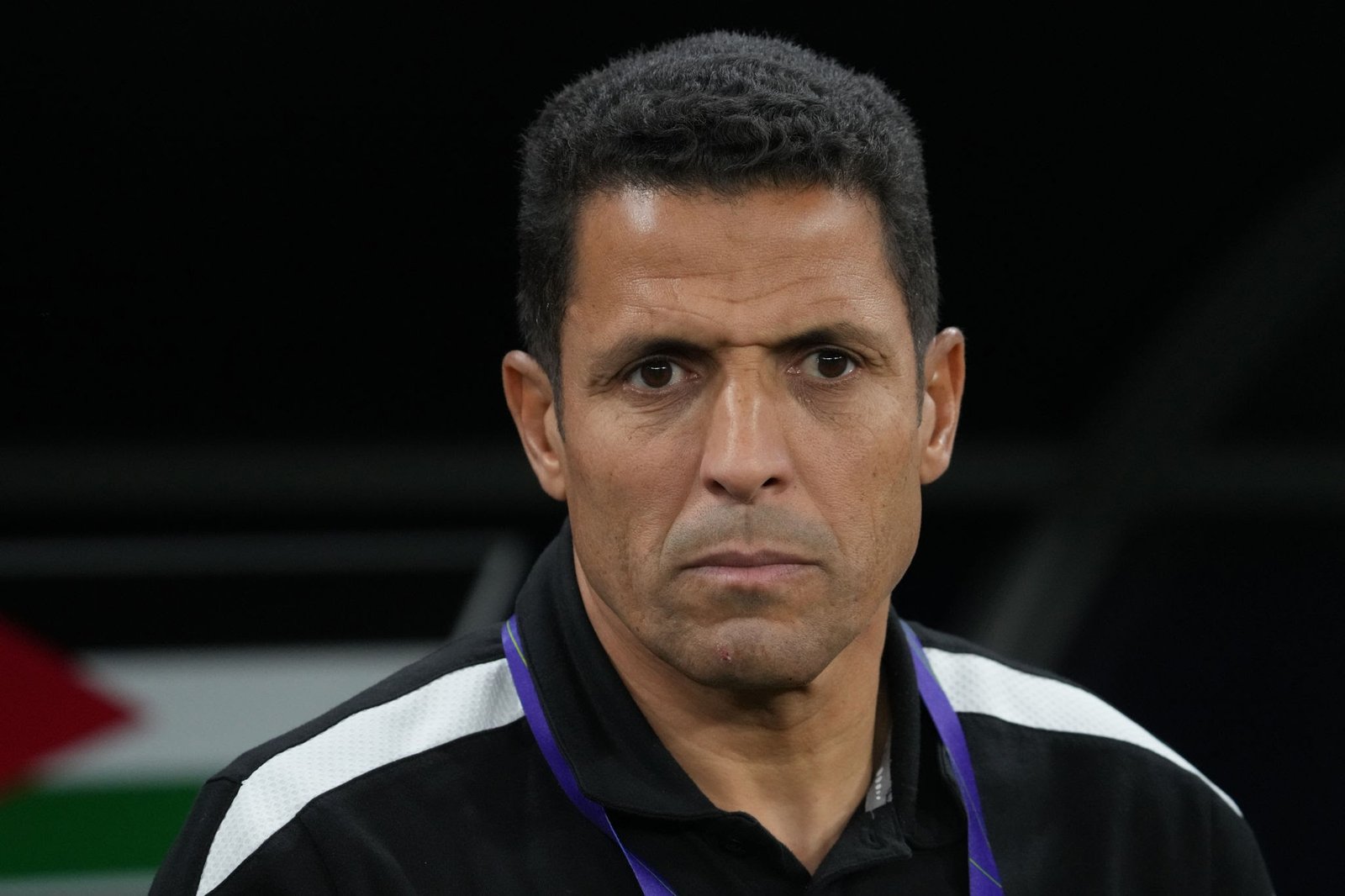
Guinea manager Paulo Duarte has launched a strong attack on the Confederation of African Football (CAF), accusing it of creating an unfair Africa Cup of Nations 2027 qualifying format and an excessive schedule that places players under unnecessary physical strain.
The Syli National are in Group D alongside South Africa, Kenya and Eritrea. Guinea will begin their qualifying campaign against the Bafana Bafana on 26 September 2026 before hosting Kenya at the Stade du 28 Septembre in Conakry on 1 October.
Duarte’s first objection concerns the structure of the qualifying competition. Kenya is one of the three host nations for the 2027 Africa Cup of Nations and has already secured a place in the finals. As a result, fewer qualifying places are available to the other teams in their group.
“In this qualification, there are nine teams that do not have the same possibilities as the others of qualifying. It was a bad decision by CAF that penalises Guinea, South Africa, Eswatini and all the other teams in these groups,” Duarte told Guineenews.
The Portuguese coach, who received an offer from Angola in February, believes groups containing a host nation create an imbalance when compared with the other sections of the competition.
He also criticised the dates selected for the matches, particularly the short period between fixtures and the demands of travelling across Africa.
“Why does CAF want to physically massacre the players by making them play one match on the 25th, then another on the 30th or the 1st, while imposing journeys of 10, 15 or 20 hours on the teams?” he said.
Duarte argued that the international window, which lasts between 14 and 15 days, would have allowed CAF to schedule the two competitive matches further apart.
In his view, the current programme leaves little time for players to recover, especially when many internationals arrive late at their national-team camps. He also said the schedule makes it impossible for coaches to organise meaningful training sessions between long-distance trips.
Guinea face an additional logistical challenge because their opening opponents, South Africa, are among the furthest possible destinations from the West African country.
“We have ended up with the furthest possible opponent: South Africa, on the other side of the continent compared with Guinea,” Duarte said.
The manager therefore plans to return directly to Conakry after the first match, with the aim of reducing the effects of travel fatigue before Guinea’s home fixture against Kenya.
That leaves the team with a brief preparation period before their second match. Duarte believes the situation demonstrates the shortcomings of a qualifying calendar he finds difficult to understand.
Guinea’s campaign will take place only three weeks after Duarte made his concerns public, with their opening Group D fixture against South Africa scheduled for 26 September 2026. The team will then face Kenya at home on 1 October, while Kenya’s status as a host nation means its qualification for the finals is already assured.