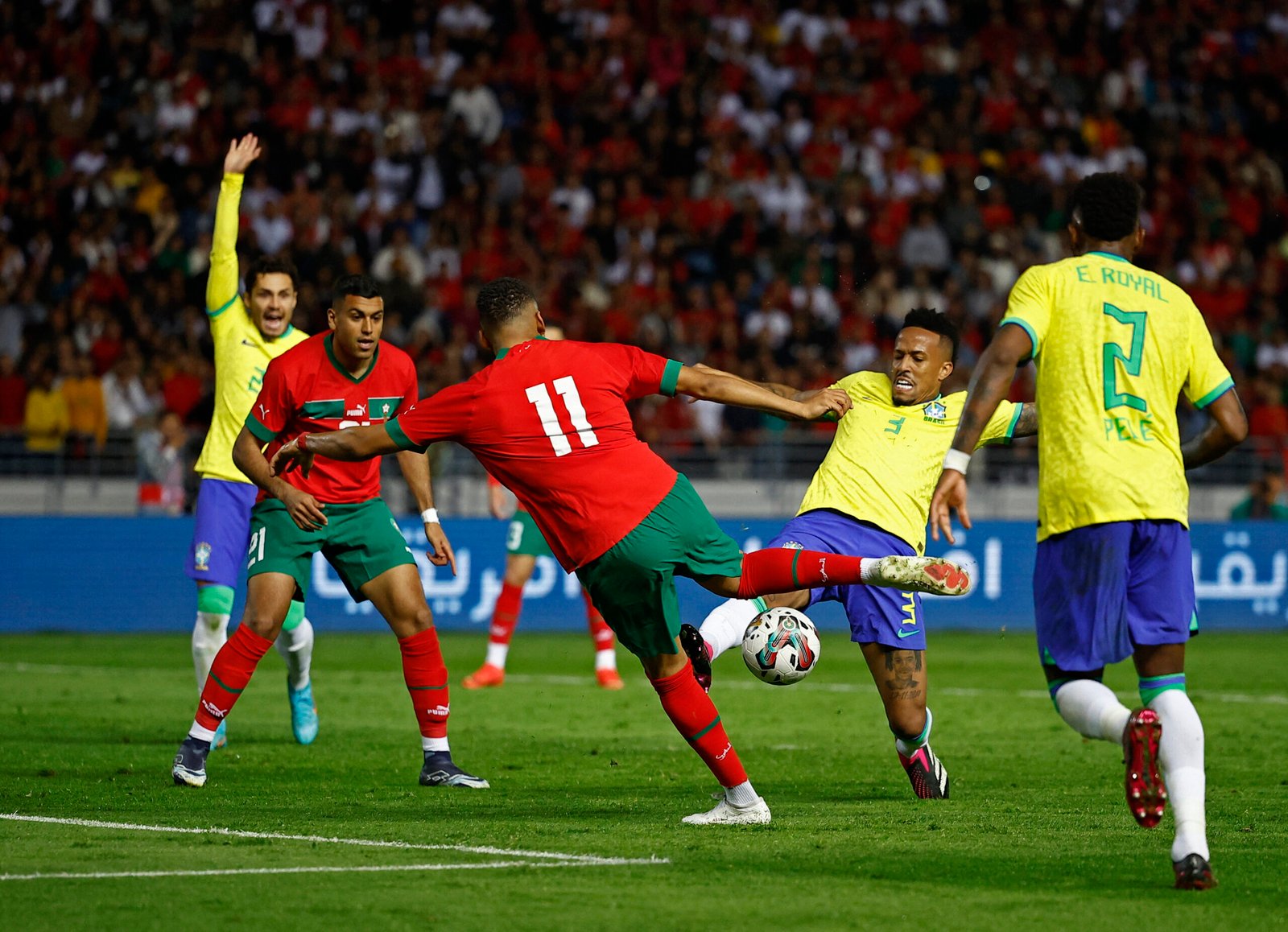
Several new football regulations will be implemented for the first time at the 2026 FIFA World Cup after receiving approval from the International Football Association Board (IFAB), the body responsible for the game’s laws.
The changes will come into effect at the tournament, which is being jointly hosted by the United States, Canada and Mexico, and are designed to make matches flow more smoothly, discourage time-wasting and assist match officials.
Among the most notable measures is the introduction of a five-second countdown for throw-ins and goal-kicks. Under the new regulations, players and teams will be required to restart play within a limited period or risk facing immediate consequences.
According to the new rules, players who take too long to complete a throw-in could surrender possession to the opposition. Teams that delay the taking of goal-kicks may also be punished, with the opposing side potentially being awarded a corner kick.
The move represents one of the most significant adjustments to match management ahead of the expanded global tournament and reflects efforts by football authorities to reduce interruptions during games.
IFAB approved the changes as part of a wider package of measures aimed at improving the overall flow of matches. Football administrators have increasingly focused on finding ways to minimise delays and ensure that more time is spent with the ball in play.
The 2026 World Cup will provide the first major international stage for the new regulations, offering players, coaches, referees and supporters an opportunity to experience the revised laws in a high-profile environment.
Organisers hope the changes will contribute to a faster and more efficient style of play while helping officials enforce the rules more consistently. The introduction of stricter requirements for restarts is also expected to discourage tactics that intentionally slow down matches.
The tournament itself will be one of the most significant in football history, with three host nations sharing responsibilities for staging the event. As preparations continue, teams are expected to familiarise themselves with the updated laws to avoid potential penalties once competition begins.
The five-second countdown for throw-ins and goal-kicks is likely to attract particular attention from players and coaches, given its direct impact on match situations that occur frequently during games.
By introducing sanctions for delays, football’s lawmakers hope to create a quicker tempo and reduce unnecessary stoppages. The measures form part of a broader effort to modernise aspects of the game while maintaining its core principles.
With the World Cup approaching, the new regulations are set to become one of the tournament’s key talking points, as teams adapt to a different approach to managing restarts and game time.
The 2026 competition will therefore mark not only the beginning of another World Cup campaign but also the first major test of a series of law changes intended to shape the future of the sport.