Africa U-17 Cup of Nations hosts Morocco were left frustrated after a controversial refereeing decision overshadowed their 1-1 draw against Tunisia in the opening round of the tournament.
The match, played at Moulay Hassan Stadium in Rabat, produced one of the competition’s earliest talking points after Morocco were denied a penalty during the second half following a lengthy Video Assistant Referee (VAR) review.
The incident occurred in the 69th minute while the Tunisian side held a one-goal advantage and Morocco were pressing for an equaliser. Moroccan forward Ibrahim Rabaj went down inside the penalty area after contact with a Tunisian defender, prompting immediate appeals from Moroccan players and coaching staff.
The home side argued that the challenge prevented Rabaj from progressing toward goal during a crucial stage of the contest and believed a penalty should have been awarded.
VAR review fails to change referee’s decision
Following strong protests from the Moroccan players, the referee paused play to consult the VAR system and review the incident from multiple angles.
The review lasted several minutes, increasing tension both on the pitch and among supporters inside the stadium. Despite the appeals and the extended examination of the footage, the referee ultimately decided not to award a penalty.
The decision triggered widespread frustration among Moroccan supporters, many of whom believed their side had been denied a clear opportunity to level the match from the spot.
The debate quickly became the dominant subject surrounding the match, with the incident sparking discussion among fans and analysts over whether the contact on Rabaj warranted a penalty kick.
Morocco recover to earn draw
Despite the disappointment caused by the decision and the psychological pressure surrounding the moment, Morocco continued to attack in search of an equaliser.
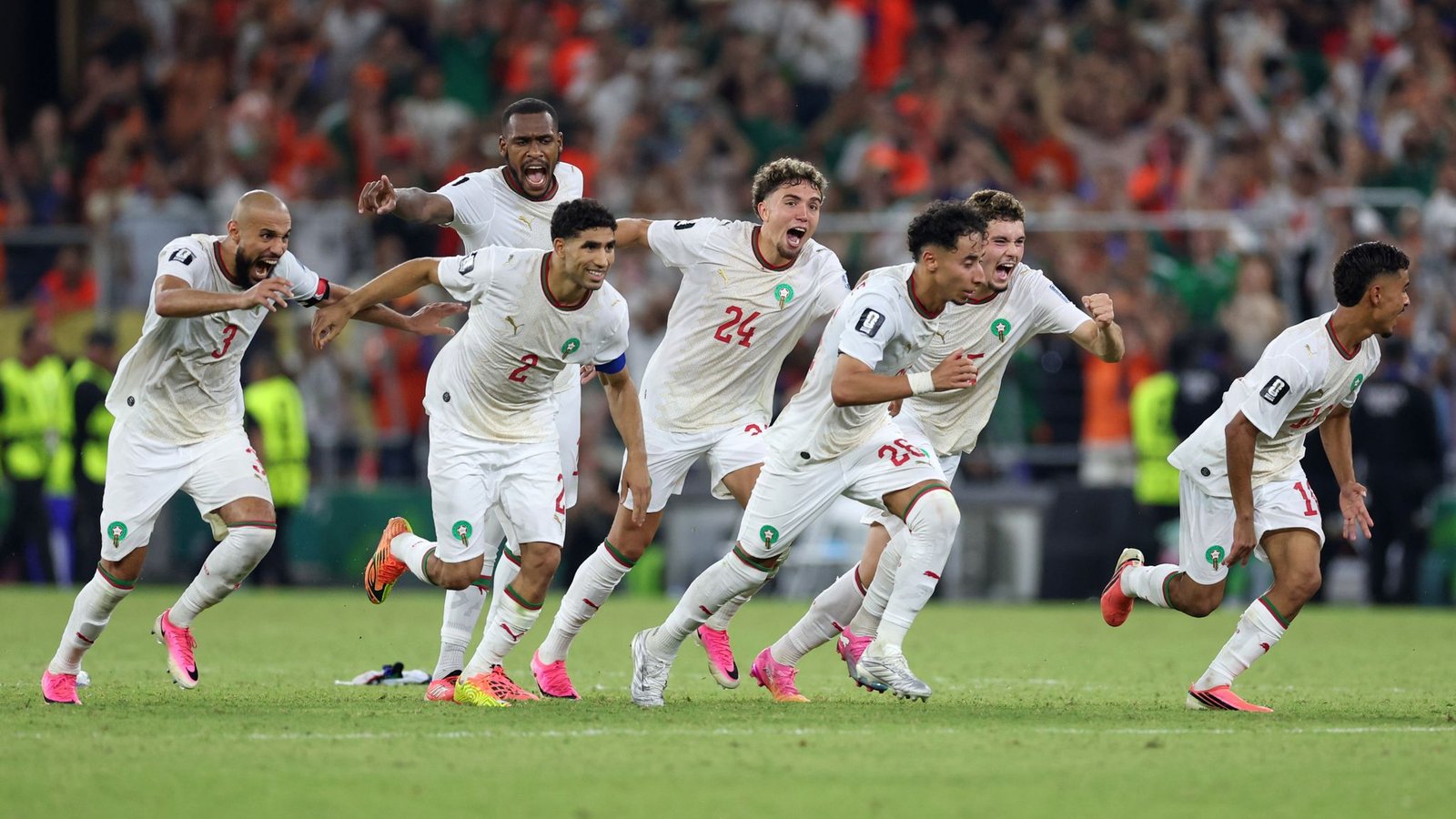
Their persistence eventually paid off as the “Atlas Lions” found a goal to bring the match level, securing a 1-1 draw by full-time.
Although the result ensured Morocco avoided defeat in their opening fixture, there was a feeling among supporters that the team had done enough to claim all three points.
The hosts were widely viewed as the stronger side for large periods of the game and continued to create attacking pressure despite the controversial decision.
Tough group increases pressure on every result
The importance of the incident has been amplified by the competitive nature of Morocco’s group in the tournament.
The group, described by observers as one of the toughest in the competition, also includes Egypt and Ethiopia, increasing the significance of every point and every refereeing decision in the race for qualification to the knockout stages.
The controversy has also renewed discussion regarding the use of VAR technology in African youth tournaments and the consistency of officiating decisions during decisive moments.
While the technology is designed to reduce refereeing errors, the refusal to award a penalty following the review has continued to divide opinion.
Morocco will now attempt to move on from the controversy as they prepare for the remaining group matches, with the team still considered among the strongest contenders for the title.
The performances produced by Rabaj and his teammates have strengthened confidence within the squad, even as debate continues over the incident that dominated their opening match of the tournament.