Mohamed El Shenawy has seen his suspension reduced from four matches to two after the Egyptian Football Association Appeals Committee reviewed his case following Al Ahly SC’s appeal.
The decision comes after an incident during Al Ahly’s clash with Ceramica Cleopatra FC, which initially resulted in a harsher punishment handed down by the Competitions Committee.
“No intent to assault”
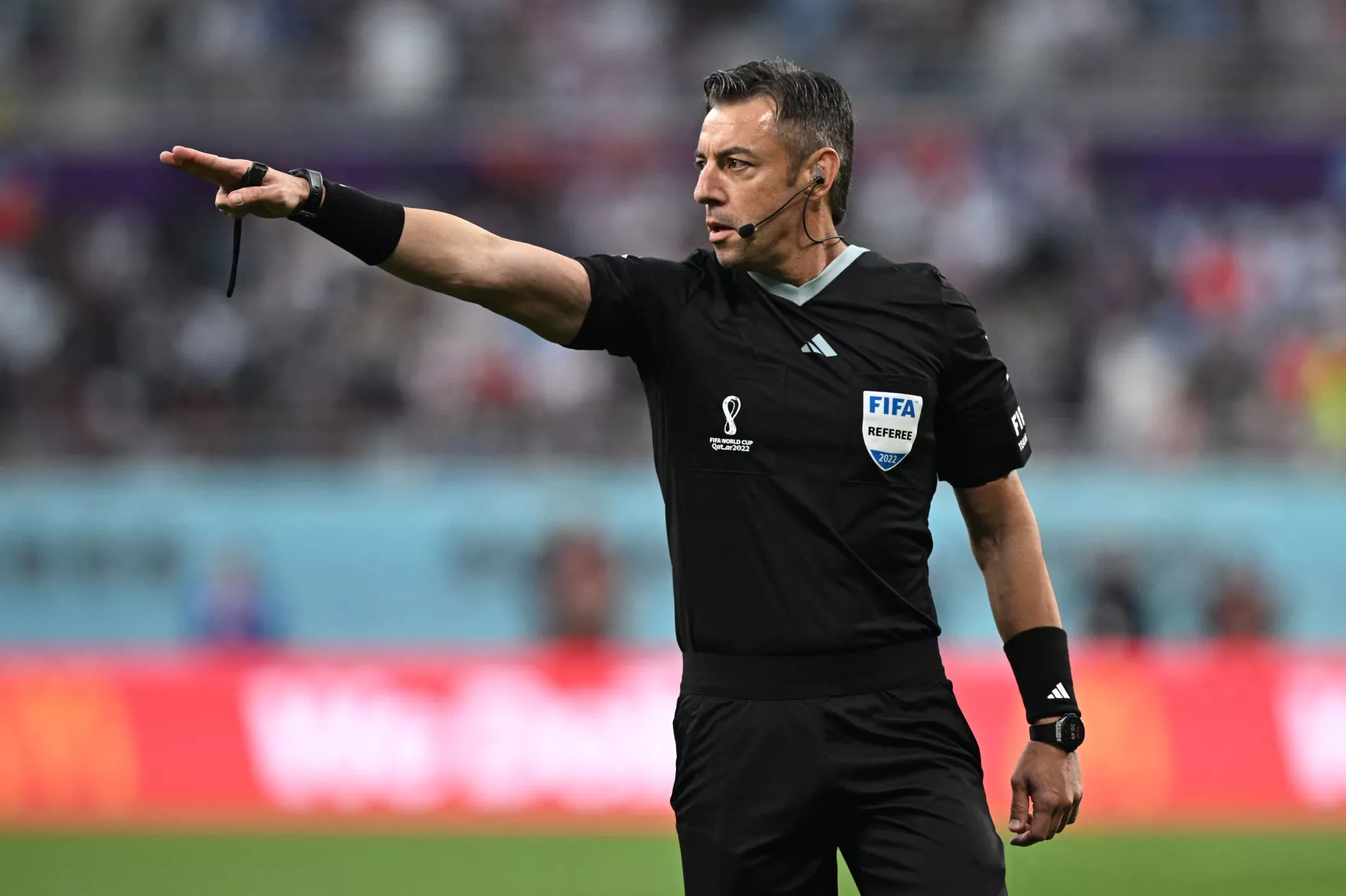
According to reports, the Appeals Committee determined that El Shenawy did not deliberately assault the referee during the incident.
Journalist Hani Hathout revealed that officials concluded the contact occurred amid congestion on the pitch, with the goalkeeper’s hand making contact unintentionally.
This finding played a decisive role in reducing the punishment.
Controversy over match report
Further complications arose from inconsistencies in the referee’s report.
Initially, the referee indicated that El Shenawy had received only a warning. That decision was later upgraded to a red card, before being amended again after consultation with the assistant referee, who suggested there had been an assault.
The Appeals Committee reportedly viewed this sequence as procedurally flawed, raising concerns over how the final decision was reached.
External footage factor
Another key point in the review was the reliance on footage taken outside the official broadcast recording of the match.
The committee noted that such evidence contributed to the original sanction, but also highlighted that the overall interpretation of the incident required careful reassessment.
Relief for Al Ahly
The reduced ban is a significant boost for Al Ahly, who regain their first-choice goalkeeper sooner than expected.
El Shenawy remains a crucial figure for the club, and his availability could prove vital as they navigate upcoming fixtures.
Case highlights officiating scrutiny
Beyond the individual decision, the case has sparked broader discussion about officiating processes and disciplinary consistency in Egyptian football.
For now, however, El Shenawy’s situation has been resolved at least in part with the Appeals Committee’s ruling bringing a degree of clarity to a highly debated incident.