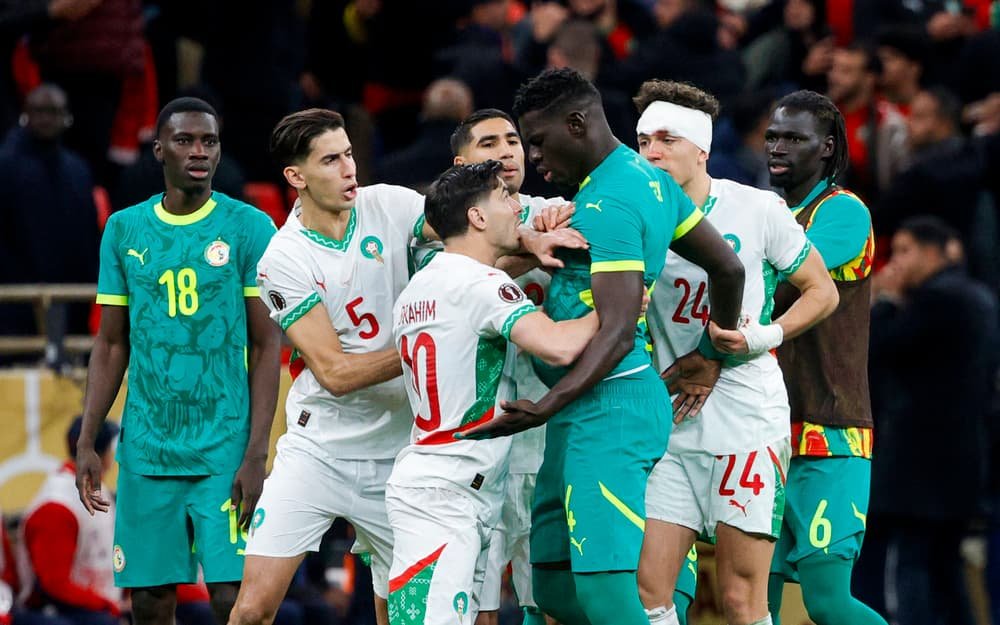
Former Secretary General of the Confederation of African Football (CAF) Véron Mosengo-Omba has rejected allegations that the Africans football governing body favoured Morocco in the controversial decision to award the 2025 Africa Cup of Nations (AFCON) title to the North African nation, despite Senegal winning the final on the pitch.
The issue coinues to generate debate across African football, with some observers and supporters suggesting that Morocco was given preferential treatment when CAF’s Appeals Jury overturned Senegal’s 1-0 victory and instead awarded a 3-0 win to Morocco.
The decision, announced on 17 March, was based on disciplinary regulations after Senegal’s players were deemed to have temporarily left the field during the final in Rabat.
CAF cited rules stating that a team that abandons or refuses to continue a match can be considered to have forfeited.
However, the ruling has been strongly contested, particularly in Senegal, where officials and supporters argue that the outcome undermines the integrity of the competition.
Amid growing accusations that Morocco may have been favoured, Mosengo-Omba firmly denied any bias within the organisation.
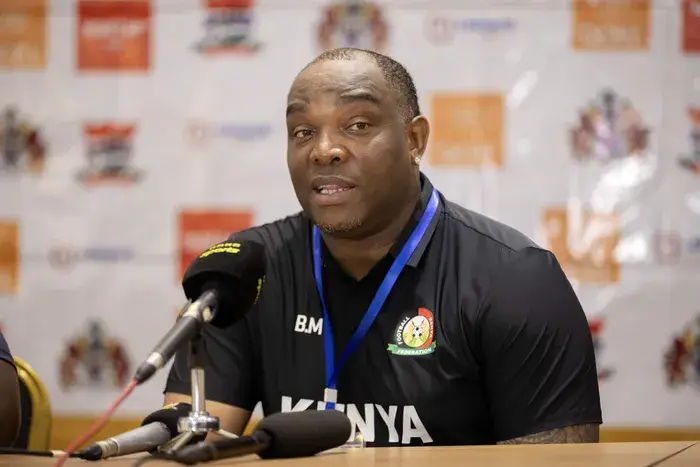
In an interview with France 24, he dismissed suggestions that CAF’s leadership influenced the outcome in Morocco’s favour, insisting that such claims are unsubstantiated.
“Let them bring us proof!” Mosengo-Omba said in response to the allegations.
“Emotions got the better of me. (…) The president (of CAF, Patrice) Motsepe and I weren’t even there. If you’re not happy with that decision, or if you’re attacking it… Those who are saying who controls what, let them bring us proof! It’s not right to throw things around like that, that CAF has taken sides! How so?”
His comments come at a time when tensions remain high, more than three weeks after the verdict.
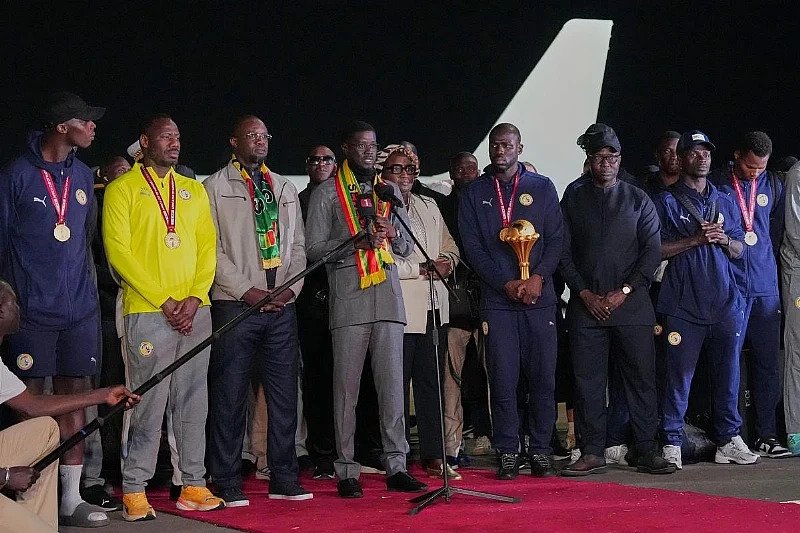
Senegal’s victory on the field had initially appeared to secure them the continental title before the Appeals Jury ruling changed the outcome.
The controversy has sparked wider concerns about governance and transparency in African football, with analysts pointing to the lack of clarity around the decision-making process.
The situation has also drawn attention to how disputes are handled within African football, particularly in high-stakes competitions such as the AFCON.
While Mosengo-Omba’s comments seek to shut down claims that Morocco was favoured, the debate shows no signs of fading.
Meanwhile, Senegal has lodged a petition at the Court of Arbitration for Sports, describing CAF’s verdict as “unfair, unacceptable and unprecedented.”