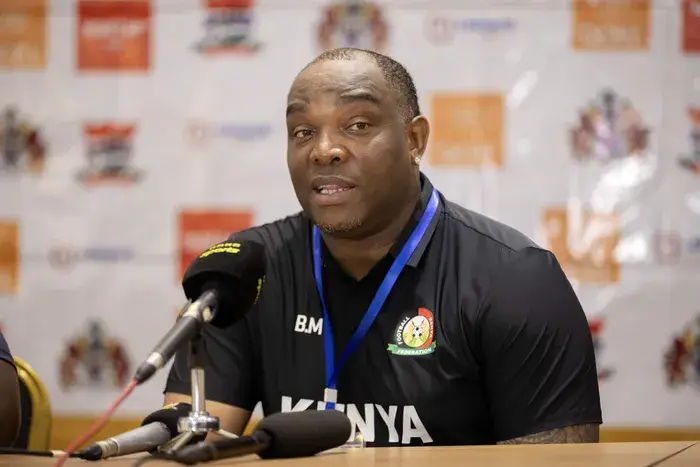
Former Tunisia head coach Sabri Lamouchi has spoken publicly for the first time since his departure from the national team, detailing the challenges he believes undermined the Eagles of Carthage’s disappointing 2026 FIFA World Cup campaign.
In an interview with Foot Mercato, Lamouchi reflected on Tunisia’s early exit, the logistical difficulties faced by the squad, and the circumstances surrounding his dismissal following the team’s heavy defeat to Sweden.
Lamouchi cites logistical setbacks
Tunisia finished bottom of their World Cup group after failing to progress to the Round of 32, conceding 12 goals in three matches. Lamouchi believes events off the pitch also played a significant role in the team’s struggles.
Recalling one of the key moments during the tournament, he said:
“The day after the match against Austria, we were supposed to go to Brussels, but an air traffic controllers’ strike cancelled our flight. We no longer had a hotel, so we took the first one available. The medical equipment had been sent by bus, the players couldn’t receive treatment, and they were wandering the streets of Vienna because the hotel was too small. Frustration then mounted among the players, who asked to speak with the president and vice-president. I wasn’t present at that meeting, but very clearly, at that moment, it was a bit of a turning point.”
According to Lamouchi, the disruption affected morale and created growing tension within the squad during a crucial stage of the tournament.
Coach describes dismissal
The former Tunisia coach also revealed how he learned his time in charge was coming to an end.
He explained that he woke to numerous missed calls after reports of his dismissal had briefly appeared before being deleted.
“I went to bed late, woke up very early, and saw 27 missed calls from my wife, my children, and friends. Apparently, there had been a message that was published and then deleted. To my complete surprise, the staff came knocking on my door; it was the beginning of the end.”
Despite the uncertainty, Lamouchi said he continued preparing the team, with several players expressing support before training.
“Some players came to see me and said, ‘We started together, we’ll finish together.’ I came to serve my country, to contribute my experience and knowledge. I didn’t succeed, there’s no question about it. But what coach is going to succeed in such a short time in this way?”
Frustration with federation
Lamouchi admitted he was disappointed not only by the team’s results but also by the manner in which his departure was handled.
He claimed federation officials informed the players about the arrival of his successor before officially notifying him.
“I’m angry with people because they didn’t say goodbye to me. We went back to the hotel, and two hours later, the president and vice-president told me we had to stop. They had informed the players 15 minutes earlier about the arrival of my successor, who was already on the plane.”
He added that the speed of the decision left him questioning whether his future had already been determined before Tunisia’s final World Cup match.
“I didn’t feel much support from the federation from the start.”
Reflecting on a difficult campaign
While acknowledging that Tunisia’s World Cup performance fell well below expectations, Lamouchi argued that the circumstances surrounding the team made success extremely difficult.
His comments provide his perspective on a turbulent tournament that ended with Tunisia’s group-stage elimination and brought an abrupt end to his tenure as head coach.