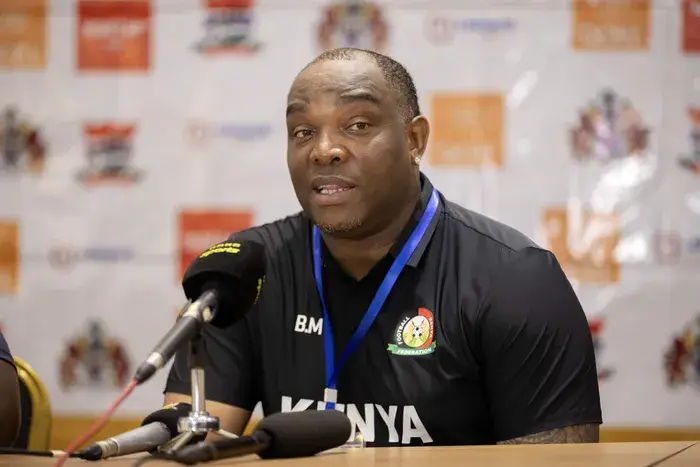
The candidacy of Véron Mosengo-Omba for the presidency of FECOFA has become the focal point of growing tension in the Democratic Republic of Congo, as the country prepares for a crucial election that could shape the future of its football governance.
With the vote approaching, questions over eligibility, governance and transparency have placed the former Confederation of African Football official under intense scrutiny.
Reports from local media suggest his candidacy could face rejection by the electoral commission over concerns relating to statutory compliance.
At the centre of the issue is a strict rule within FECOFA’s statutes, which requires that any presidential candidate must hold exclusively Congolese nationality.
Dual nationality, particularly involving European citizenship, is considered grounds for disqualification.
Mosengo-Omba may hold Swiss nationality alongside his Congolese roots.
If confirmed, this could prevent his candidacy from being validated, potentially removing one of the most high-profile contenders from the race.
The debate has sparked wider discussions about identity and eligibility in African football administration, where governance structures are increasingly under pressure to ensure transparency and adherence to rules.
Beyond the legal concerns, Mosengo-Omba’s previous role as Secretary General of Confederation of African Football has also come under renewed examination.
Some observers have pointed to internal tensions and administrative challenges during his tenure, adding another layer of complexity to an already controversial candidacy.
These concerns have contributed to a climate of mistrust among sections of the football community in the Democratic Republic of Congo.
Critics argue that leadership positions within national federations should reflect stability, accountability and strong local connections.
Additional allegations have further intensified the debate. Reports have emerged suggesting the possible use of a vehicle belonging to FECOFA’s Normalization Committee for personal purposes.
While these claims remain unproven, they have raised ethical questions about resource management within football institutions.
In a pre-election environment already marked by sensitivity, such issues have amplified calls for reform.
Several stakeholders are advocating for a comprehensive overhaul of Congolese football governance, emphasising the need for integrity and transparency at the highest level.
Mosengo-Omba’s legitimacy as a candidate is now being openly questioned in some quarters.
Critics argue that the presidency of FECOFA should not be treated as a platform for personal advancement but as a position requiring deep national commitment and accountability to the local football ecosystem.
As tensions rise, attention has turned to the FECOFA electoral commission, which is expected to deliver a decisive ruling on the validity of his candidacy.
The outcome is likely to have significant implications not only for the election itself but also for the broader credibility of the federation’s governance processes.
The situation reflects wider challenges facing administrative bodies across the continent, where balancing legal frameworks, ethical standards and public trust remains a constant test.