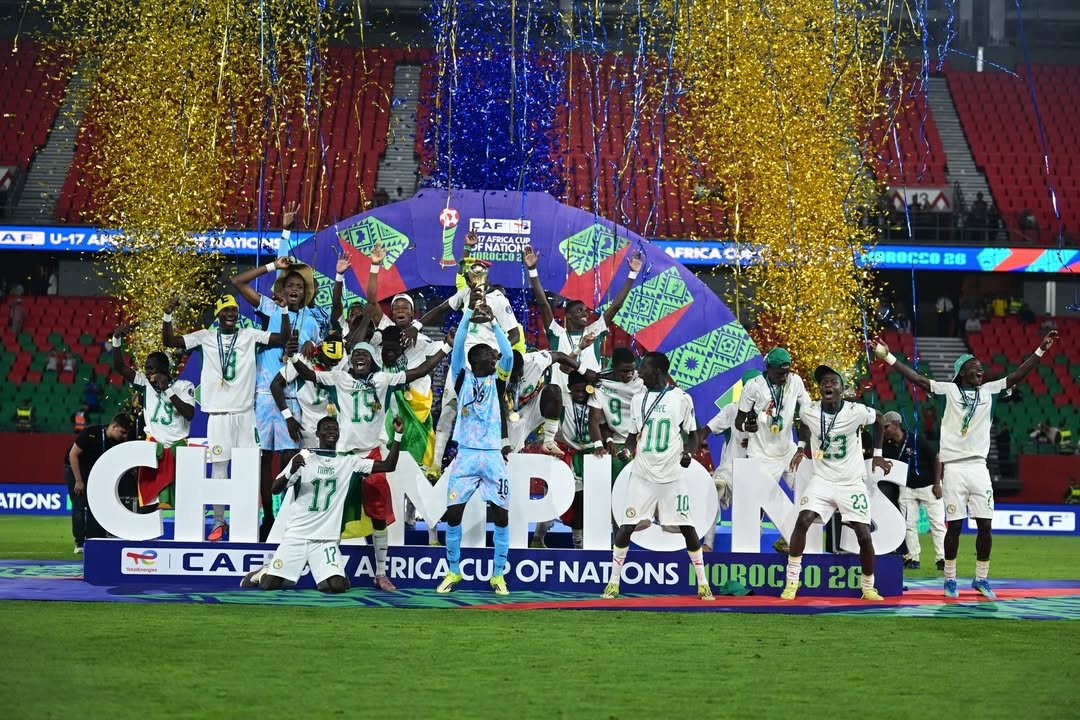
A major legal storm is unfolding across African football after Morocco’s appeal court upheld prison sentences for 18 Senegalese supporters—despite a public call from CAF president Patrice Motsepe for their release.
In a ruling that has sent shockwaves through the continent, the court confirmed jail terms ranging from three months to one year, effectively rejecting efforts to overturn the earlier verdict tied to incidents during a CAF-organised match.
The decision marks a dramatic twist in a case that has grown far beyond the courtroom—touching on issues of governance, accountability, and the treatment of fans at major tournaments.
CAF Plea Ignored
The controversy intensified after Motsepe openly acknowledged CAF’s responsibility for the situation, stressing that the arrests occurred inside a stadium during an official competition.
“They were arrested in the stadium, so it’s our responsibility… their release is a legitimate request.”
His remarks were widely interpreted as a strong push for leniency—or even intervention.
But Morocco’s judiciary stood firm.
The appeal court not only dismissed those calls but reinforced the original judgement, sending a clear message: the legal process would not be influenced by external pressure, even from African football’s highest authority.
Defence Left Frustrated
For the defence team, the outcome represents a bitter setback.
Lawyer Patrick Kabou revealed that multiple arguments were presented in court, including references to CAF’s own statements and video evidence intended to challenge the convictions.
“We submitted material evidence, photos, and video… but the court confirmed the initial ruling.”
Kabou maintained that the case lacked sufficient proof, insisting that no clear evidence had been presented to justify the imprisonment of the supporters.
He also raised concerns about misidentification and procedural gaps, claiming some individuals implicated in the case were not even present during proceedings.
Calls for Accountability Grow
In a bold move, the defence attempted to widen the scope of responsibility by calling for both CAF and the Moroccan Football Federation to be summoned—arguing that, as organisers, they should share accountability.
That request, however, gained no traction in court.
Instead, tensions reportedly flared during the hearing, underlining the high stakes and emotional weight surrounding the case.
Adding another layer to the controversy, Kabou disclosed that two formal complaints alleging assault and mistreatment of the supporters had been filed—but were not included in the court’s review.
A Case Bigger Than Football
What began as a matchday incident has now evolved into one of the most closely watched legal battles in African football.
The case continues to raise uncomfortable questions:
- Who is responsible when incidents occur at CAF events?
- How are fans protected—or prosecuted—during major tournaments?
- And where does football governance end and state authority begin?
Despite CAF’s stance, the ruling reinforces the independence of national legal systems—even when football’s governing bodies step in.
What Happens Next?
For the 18 Senegalese supporters, the reality remains unchanged: prison sentences now confirmed, with limited immediate options for reversal.
For African football, however, the story is far from over.
With tensions still simmering and scrutiny intensifying, this case could have long-term implications for how fan incidents are handled across the continent.
Because beyond the verdict lies a deeper issue one that goes to the heart of football’s relationship with law, power, and responsibility.
And right now, that balance looks more fragile than ever.