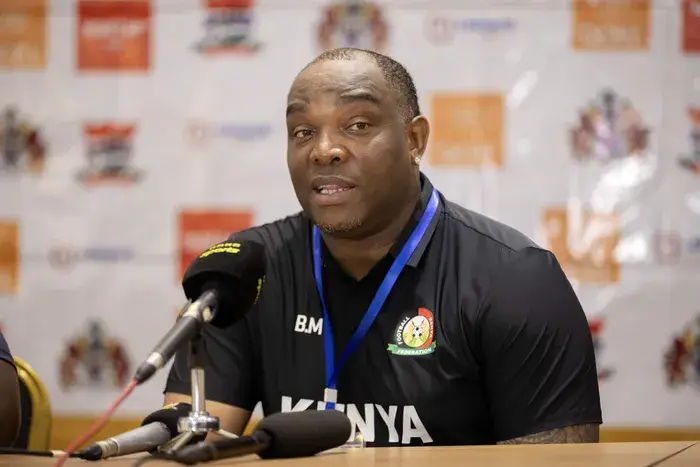
Ghana assistant coach Roger De Sa has spoken about the difficulties the Black Stars‘ coaching staff encountered during the 2026 FIFA World Cup, saying the team had to overcome a losing run, undertake an extensive player scouting programme across Europe and deal with injuries after taking charge only weeks before the tournament.
De Sa served as part of Carlos Queiroz’s backroom staff after the Portuguese coach was appointed on a short-term basis following the dismissal of Otto Addo.
The new technical team inherited a side struggling for form and had limited time to prepare before the World Cup, where Ghana eventually reached the Round of 32 before being eliminated by Colombia.
Speaking on 947’s MSW, De Sa described the scale of the task facing the coaches from the moment they accepted the roles.
“I think when you are coaching, you’re always going to get different challenges along the way, and firstly for us was taking over a team which had gone six defeats in a row; I think that was the biggest challenge straight away,” De Sa said.
“We were like, ‘we have to turn it around.’ Objective number one would be to get a bit of a winning mentality, not a losing mentality.”
According to De Sa, changing the team’s mindset became an immediate priority as the coaching staff sought to prepare Ghana for football’s biggest tournament in a matter of weeks.
Alongside rebuilding confidence, the coaches were also required to assess players scattered across clubs in Europe before selecting the final World Cup squad.
De Sa explained that identifying the best group of players involved extensive travel and close monitoring of potential squad members.
“I left here, and I basically spent three days in Accra, and that was it. I got the next flight to Europe and spent the next four weeks travelling from club to club, match to match, whenever the Ghanaian players were playing,” he said.
The assistant coach said the process involved watching players both in competitive matches and during training sessions before finalising the squad.
“I watched players, sometimes training, so it was a massive mission to eventually come to your final 26 players, that was a massive challenge on its own. With the injuries that we had, that brought up another challenge.”
The comments provide an insight into the preparations behind Ghana’s World Cup campaign, highlighting the logistical demands placed on the coaching staff during a compressed build-up to the tournament.
Queiroz signed a four-month contract before leading the Black Stars to the World Cup, with his current agreement expected to expire in August.
His long-term future with Ghana has yet to be decided.
Despite the limited preparation time, the Black Stars progressed beyond the group stage before their campaign ended in the Round of 32.
Ghana finished third in Group L behind England and Croatia before suffering a 2-1 defeat to Colombia in Kansas City.
Although the tournament ended in disappointment, De Sa’s account illustrates the challenges the technical team faced long before the opening match, from restoring confidence in a team on a six-game losing streak to travelling across Europe in search of the right combination of players.
His remarks also underline the demanding nature of international management, particularly when a coaching staff is appointed shortly before a major tournament and must quickly rebuild a squad while dealing with injuries, scouting responsibilities and the pressure of competing on the world stage.