The Libyan Football Federation is accelerating efforts to appoint a new head coach for the national team following the resignation of Aliou Cissé earlier this month, with Moroccan coach Hussein Ammouta now among the أبرز contenders for the role.
Cissé stepped down at the beginning of April despite having a contract that ran until 2027, leaving the federation under pressure to secure a suitable replacement ahead of key upcoming competitions.
The priority for the governing body, led by Abdul-Mawla Al-Maghribi, is to restore stability and competitiveness to the Libya national football team, which has endured a prolonged period of inconsistency.
Urgent Need for Stability
Libya are seeking a coach capable of reviving the team’s fortunes and guiding them back to continental relevance. The national side has failed to qualify for the Africa Cup of Nations for seven consecutive editions, underlining the scale of the challenge facing the next manager.
With the next tournament scheduled to be held in Kenya, Uganda and Tanzania in 2027, the federation is keen to appoint a coach who can quickly rebuild the squad and mount a credible qualification campaign.
Recent years have seen significant instability, with 13 different coaches taking charge over the past eight years. This turnover has contributed to a loss of identity and declining performances, leaving Libya struggling to compete at the highest level in African football.
Ammouta Gains Momentum
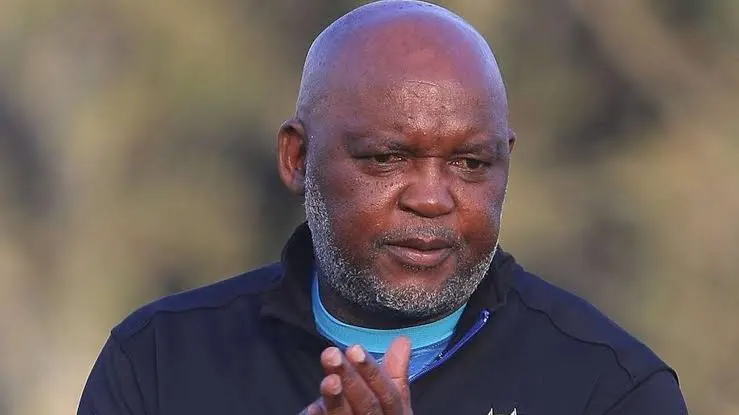
According to information reported by WinWin, Ammouta has moved to the forefront of the federation’s shortlist. The 56-year-old is currently unattached, having left Al Jazira Club in August 2025, making him an attractive option for immediate appointment.
A source close to the situation indicated that Ammouta is viewed as the leading candidate to spearhead a rebuilding project aimed at returning Libya to the continental stage.
“The local football federation has placed the 56-year-old Moroccan coach as the first and primary choice for the next stage in order to build a strong team that can qualify for the new version of the Africa Cup of Nations, especially since he has a distinguished previous experience through which he led the Jordanian national team in the last Asian Cup finals to the final match.”
Talks Underway, No Formal Offer Yet
Initial contact has reportedly been made to assess Ammouta’s willingness to take on the role, although discussions remain at an early stage.
“There are currently contacts and talks to gauge Ammouta’s interest in taking over the training of the Libyan national team in the coming period, but no official offer has been made yet.”
One factor that may facilitate progress is the resolution of financial concerns that contributed to Cissé’s departure. The responsibility for covering salaries and contractual expenses is expected to be assumed by the Libyan Post, Telecommunications and Information Technology Holding Company, potentially removing a key obstacle in negotiations.
Other Candidates in the Frame
While Ammouta is considered the frontrunner, the federation is also evaluating other options. The shortlist reportedly includes Moine Chaabani, currently in charge of RS Berkane, Serbian coach Zoran Manojlović, who leads Al-Suwaihli SC, and Libyan manager Osama Al-Hammadi.
“It is true that Ammouta is the first choice to coach the Libyan national team in the coming period, but he is not the only candidate, as the list also includes Tunisian Moine Chaabani, coach of the Moroccan club Renaissance Berkane, Serbian Zoran Manojlovic, the current technical director of the Libyan club Al-Suwaihli, in addition to the Libyan coach Osama Al-Hammadi, who had a recent experience in the local league with Al-Nasr team.”
A Defining Appointment Ahead
The decision facing the Libyan Football Federation is widely seen as pivotal. After years of instability and underperformance, the next appointment will be tasked with rebuilding confidence, structure and results within the national setup.
Turning Point for Libyan Football
Libya’s search for a new head coach represents a critical moment in the team’s recent history. With Hussein Ammouta emerging as a leading candidate, the federation now faces the challenge of making a decisive and effective choice. The success of this appointment could determine whether Libya can end years of decline and re-establish itself as a competitive force in African football.