The impressive performance of Morocco against Brazil in their opening match of the 2026 FIFA World Cup has generated widespread praise and could become a reason for Scotland to be worried as the two sides clash in a matter of days.
The North Africans held five-time world champions Brazil to a 1-1 draw in New Jersey, but many observers felt Morocco were unfortunate not to leave with all three points after producing one of the tournament’s most assured displays.
For African football supporters, the result served as another reminder that Morocco’s historic run to the semi-finals in Qatar four years ago was no accident.
The Atlas Lions dominated large spells of the contest, moving the ball confidently and unsettling a Brazil side packed with international stars.
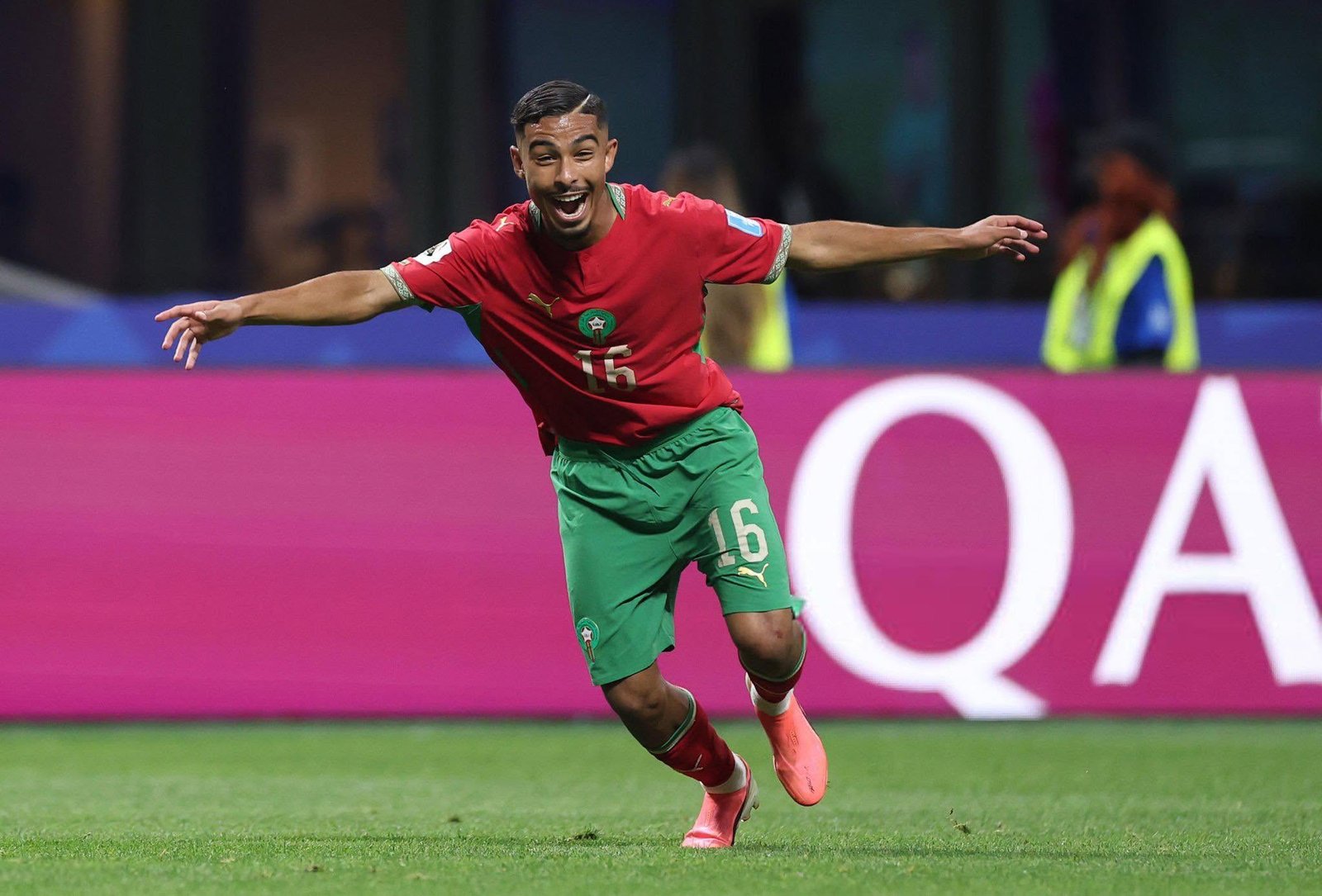
Their bright start was rewarded when Ismael Saibari raced onto a precise pass from Brahim Diaz before calmly lifting the ball over Brazil goalkeeper Alisson Becker to put Morocco ahead.
Brazil needed a moment of brilliance from Vinicius Junior to level the match before half-time, but Morocco remained competitive throughout and resisted late pressure to secure a valuable point in Group C.
The performance has attracted praise from both former players and sections of the European media.
Former Chelsea and Uruguay midfielder Gus Poyet was particularly impressed by Morocco’s opening display.
“Morocco started the game very well,” Poyet said during the BBC’s coverage of the match.
“Technically, they look better than Brazil and their gameplan is working better.”
Former Morocco international Hassan Kachloul also highlighted the collective spirit shown by the Atlas Lions against one of football’s traditional superpowers.
“What I liked overall was the unity,” Kachloul told the BBC.
“They worked together and for one another, which Brazil didn’t do. They weren’t afraid to make the effort, even if some looked tired after an hour.
“That’s the spirit you want – players giving everything on the pitch and giving their best.”
Morocco’s display has also been viewed as evidence of an evolving team under head coach Mohamed Ouahbi.
The squad that reached the semi-finals in Qatar relied heavily on defensive organisation and experience. However, the current group appears to be entering a new phase, with several young players emerging alongside established stars.
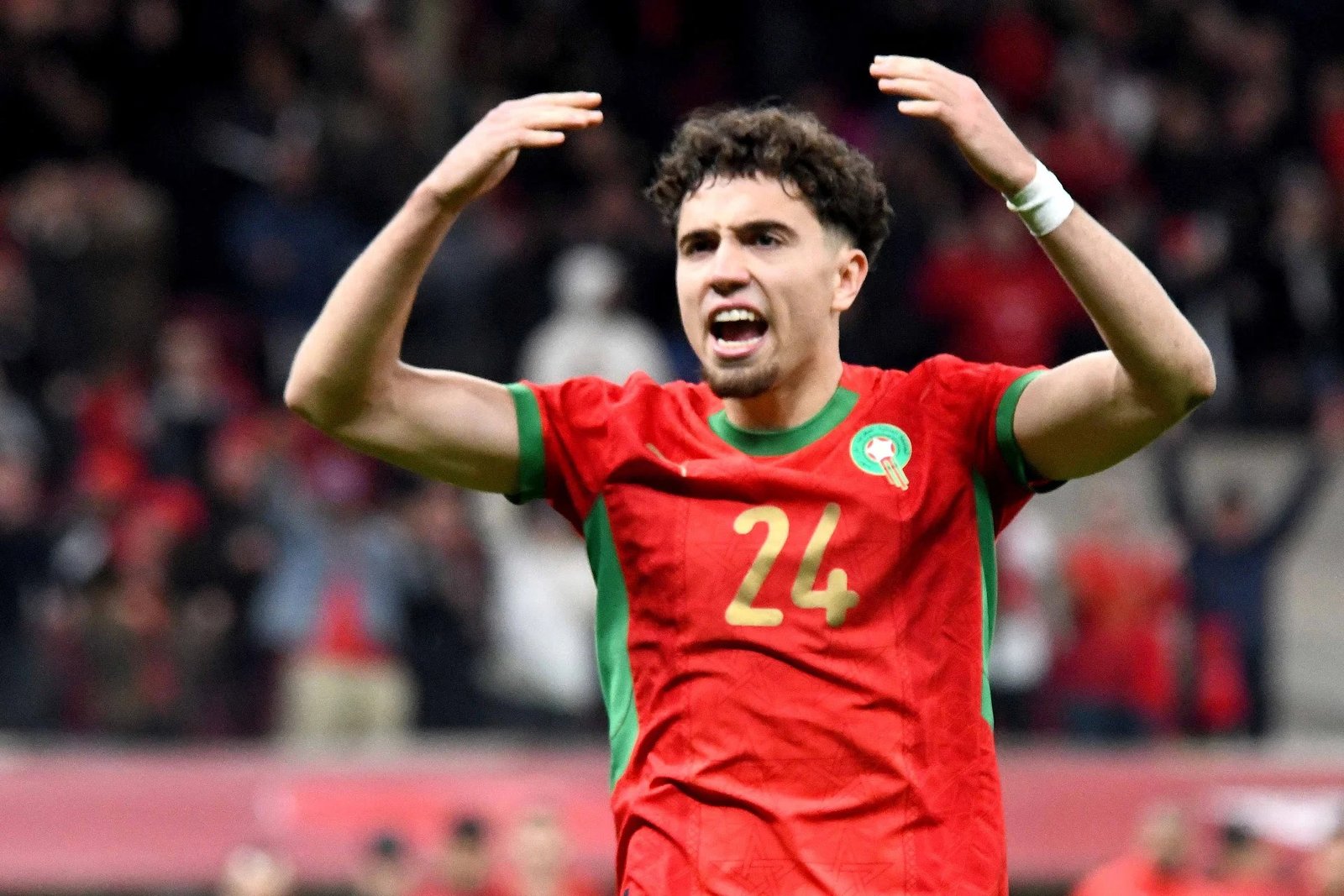
One of the standout performers against Brazil was 18-year-old midfielder Ayyoub Bouaddi.
The Lille youngster impressed in midfield and has already attracted attention from some of Europe’s leading clubs.
Saibari, who scored Morocco’s goal, is also reportedly attracting significant interest after an outstanding season with PSV Eindhoven.
Kachloul believes Morocco are now benefiting from a new generation of talent.
“What has changed is the introduction of a new manager with fresh ideas,” he said.
“We also reached the end of a cycle with players like [Hakim] Ziyech, [Sofiane] Boufal, [Youssef] En-Nesyri and Romain Saiss, who are all over 30 and were at the last World Cup and Afcon.
“We needed some new ideas. Morocco winning the Under-20 World Cup with Mohamed Ouahbi was important and he has brought in five or six players under 22.
“They finished [the Brazil] game with six players under 23 on the pitch. So, it’s the Morocco of today, but also the Morocco of tomorrow.”
German media outlets were equally impressed.
Football magazine Kicker reportedly described Morocco as the more determined side during the opening stages, while Sportschau highlighted the team’s organisation and suggested Brazil were forced to adopt a more cautious approach because of Morocco’s tactical discipline.
Attention now turns to Friday’s meeting with Scotland in Boston.
After opening their campaign with a 1-0 victory over Haiti, Scotland sit top of Group C.
However, Morocco’s performance against Brazil has underlined the scale of the challenge awaiting Steve Clarke’s side.