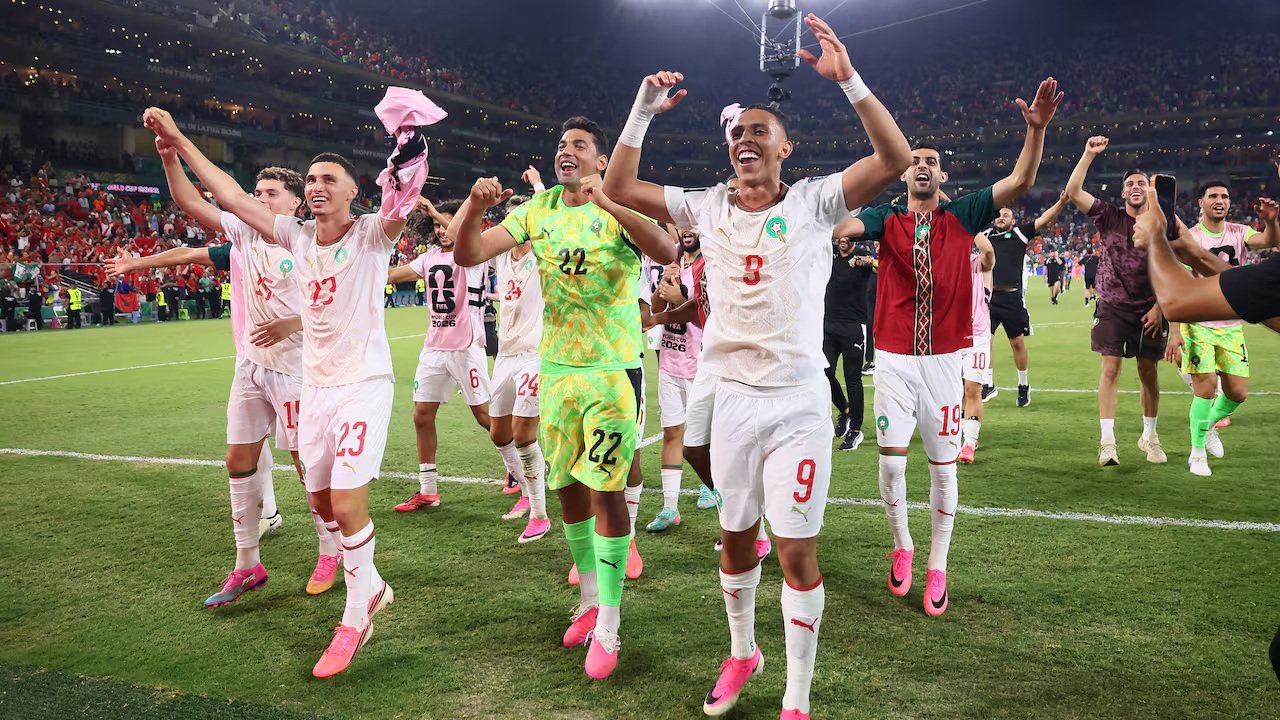
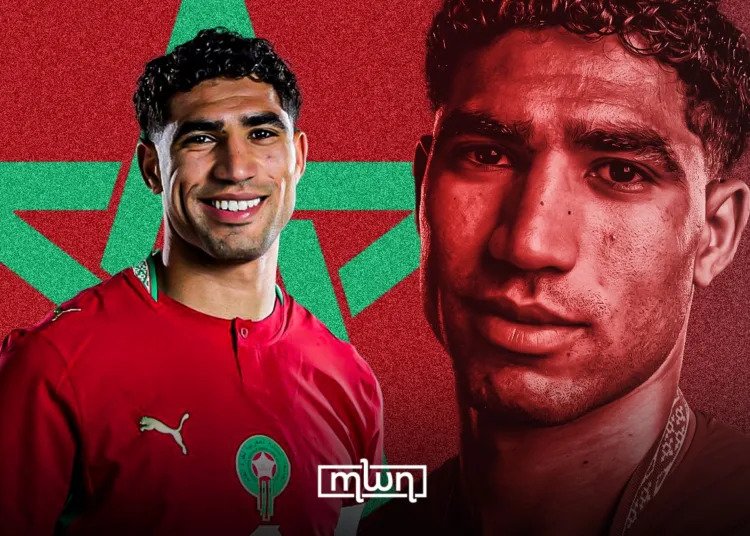
The dramatic victory of Morocco over the Netherlands at the 2026 FIFA World Cup has been hailed as further evidence of the national team’s continued growth.
The North African side booked their place in the Round of 16 after defeating the Netherlands 3-2 on penalties following a 1-1 draw after extra time at Monterrey Stadium in Mexico.
The result sent Morocco into the next stage of the competition, where they will face Canada, while also marking another significant chapter in the country’s growing reputation on the global football stage.
For many observers, the achievement extends beyond simply progressing in the tournament.
Analysts believe Morocco demonstrated the qualities required to compete consistently against the world’s leading football nations, reinforcing the impression that their remarkable run at the 2022 World Cup in Qatar was not an isolated success.
Sports analyst Tawfiq Sanhaji said Morocco’s latest achievement deserved recognition across every level of the country’s football structure.
Speaking to Hespress, Sanhaji said the victory was a moment of celebration for “all stakeholders in Moroccan football, from King Mohammed VI and the Royal Family to the Royal Moroccan Football Federation (led by Fouzi Lekjaa), the technical staff, the players, and the Moroccan fans.”
He argued that defeating a nation with the pedigree of the Netherlands made the accomplishment even more significant.
According to Sanhaji, the Dutch remain one of Europe’s traditional football powers, having reached three FIFA World Cup finals in 1974, 1978 and 2010 while building extensive experience in knockout football over several decades.
Against such opposition, Morocco displayed discipline throughout the 120 minutes, limiting the Netherlands while continuing to pose an attacking threat whenever opportunities arose.
The analyst praised the team’s tactical organisation, saying the players managed the contest intelligently against technically gifted opponents.
Morocco’s determination was evident after falling behind during the second half before forcing extra time through a late equaliser.
Rather than retreating, the Atlas Lions continued to press during the additional 30 minutes before eventually holding their nerve in the penalty shootout.
Sanhaji also highlighted the impact of head coach Mohamed Ouahbi’s substitutions, saying the changes injected fresh energy into the side.
One of those changes proved decisive as Issa Diop scored the stoppage-time equaliser that rescued Morocco when defeat appeared imminent.
The analyst further praised goalkeeper Yassine Bounou, whose performance during the penalty shootout helped secure qualification and once again underlined his importance to the national team.
Beyond the performances on the pitch, Sanhaji credited Morocco’s supporters for playing a valuable role throughout the occasion.
He said the backing provided by supporters both inside Morocco and by those who travelled to the United States and Mexico offered additional motivation for the players during one of their biggest matches of the tournament.
The victory has also strengthened belief that Morocco can continue challenging the world’s strongest teams.
Sanhaji argued that the national team has once again demonstrated why it occupies sixth place in the FIFA world rankings, adding that hopes of matching, or even surpassing, the country’s historic achievement at the 2022 World Cup can now be viewed as realistic, despite the difficult path that still lies ahead.
He concluded that Morocco’s comeback against the Netherlands illustrated the team’s growing maturity, describing their ability to recover against one of Europe’s most accomplished football nations as clear evidence of their continued tactical and mental development.
As the Atlas Lions prepare for their Round of 16 meeting with Canada, optimism continues to grow that another memorable World Cup chapter could still be written by one of Africa’s leading football nations.