Zamalek legends have drawn up seven proposed safeguards for the club’s planned football company, seeking to protect its assets, identity and decision-making powers as discussions over potential investment gather pace.
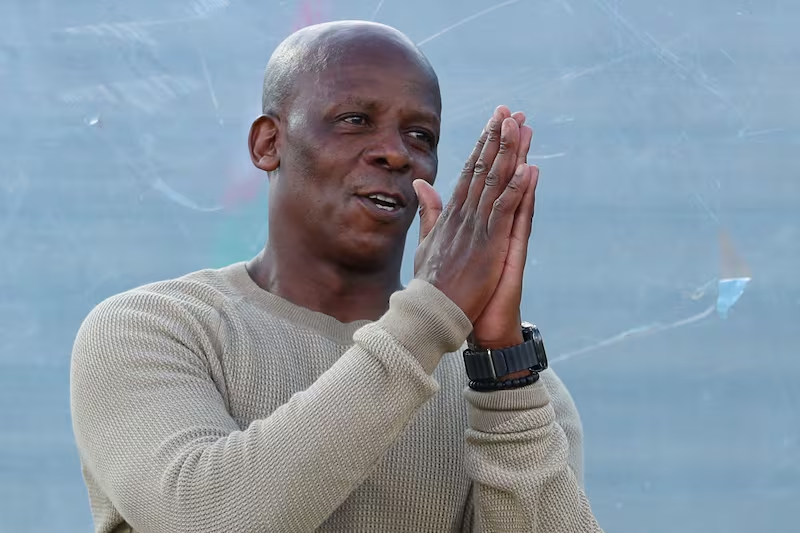
The conditions were discussed at a meeting held at the villa of former Zamalek player Farouk Gaafar on Tuesday evening. Several prominent figures connected with the Egyptian club attended to consider how the proposed company should operate and what protections must be in place before the project is presented to members.
The discussions went beyond the creation of a separate company to manage Zamalek’s football activities. Participants also examined the ownership structure, the authority investors would receive and the extent to which the club would retain control over its most important sporting and commercial interests.
Their proposals are expected to form part of the discussions ahead of the club’s general assembly on 8 December 2026, when members will have an opportunity to consider the project and its implications.
A central concern among those involved in the meeting is that bringing in outside investors should not weaken Zamalek’s position or allow another party to gain excessive influence over the club’s football operations.
Zamalek seek guarantees over assets and identity
One of the main proposals is to prevent investors from disposing of the club’s existing real estate assets. Those involved in the discussions believe the properties should remain protected and outside the control of the proposed company’s partners.
They also want Zamalek to retain supervisory authority over its badge and trademark, which are regarded as fundamental elements of the club’s identity.
The participants believe that the club’s name, emblem and other defining features should not become subject to decisions made independently by investors. Instead, Zamalek should maintain the final say over matters involving its identity.
The proposed safeguards also address the distribution of ownership in the new company. The meeting discussed a structure under which Zamalek would hold at least 40 per cent of the shares, although the final ownership arrangement has yet to be determined.
Another proposal would give the club the right to purchase shares held by existing partners or nominate new shareholders. The intention is to prevent any outside investor from gaining sole control of the company’s future direction.
Seven proposed safeguards to protect the club
The concerns raised at the meeting also included the possibility of Zamalek or its football team being merged with another organisation. The participants want any such move to require approval from the club’s board of directors.
They also called for greater clarity over the final decision to establish the company, the consequences of allowing investors to participate and the precise relationship between the new business and the parent club.
Taken together, the proposals are intended to establish clear boundaries between the club and its commercial partners. Those involved want investment to provide additional financial resources without transferring essential authority or compromising Zamalek’s independence.
The planned football company is viewed as an opportunity to introduce a new structure for managing the club’s football operations. However, the meeting highlighted concerns that the project could create problems if investors receive powers that are not clearly defined from the beginning.
The issue is therefore not simply how much money potential partners can bring into the project, but also what influence they will have once they become shareholders.
General assembly to shape the next stage
Attention is now turning to the general assembly scheduled for 8 December 2026, which is expected to be an important moment in determining the future direction of the proposal.
Club members will have the opportunity to consider the planned company and assess whether the proposed arrangements provide sufficient protection for Zamalek’s interests.
The challenge will be to find a structure that attracts investment and creates new sources of income while ensuring that the club retains control over its identity, assets and key decisions.
For the figures who attended the meeting at Gaafar’s villa, the seven proposed conditions represent an attempt to establish those protections before the partnership takes shape. The final outcome will depend on how the project is presented and the position taken by the club’s members at the upcoming assembly.