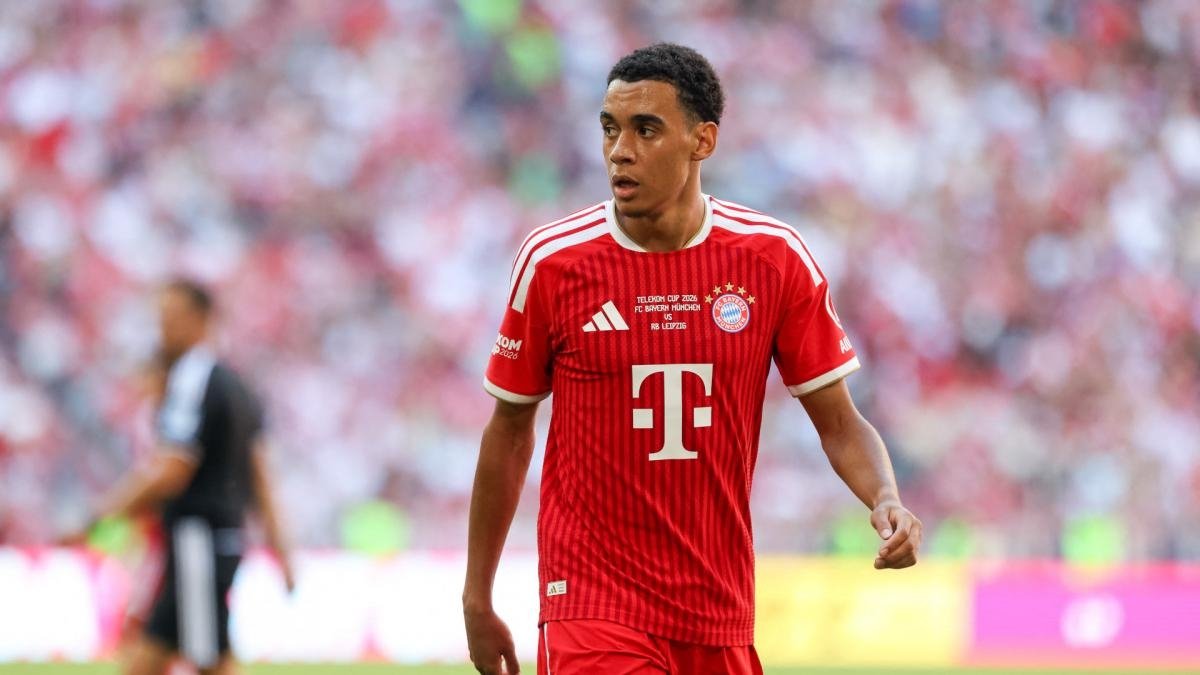
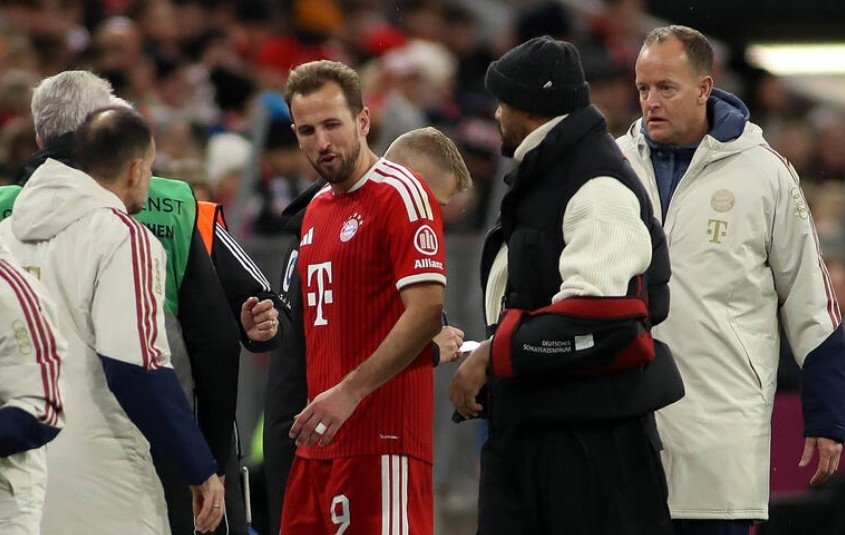
Rudi Voller says it is reasonable for Bayern Munich to consider Jamal Musiala’s salary, but believes the club’s decision to discuss the matter publicly has made an agreement more difficult.
Germany’s sporting director generally opposes debating in public whether the national team player should accept a reduction in his wages at this stage. However, he accepts that Bayern Munich may need to consider adjusting the terms of Musiala’s contract.
“Of course, this can be discussed, and it’s reasonable, even from the club’s perspective. The problem now is that everything has become public. That makes things very difficult. Who gives way? Where do they find common ground now?” Voller said.
He pointed to Bayern Munich’s previous record of handling difficult situations, saying: “Overall, we are all used to Bayern. Bayern Munich has been exemplary in these past years and decades. Usually it has been injured players. Now it is a player with a very rare illness.”
Voller called for patience and said Musiala’s current ability to play should remain central to the discussion.
“We should wait a little. He is playing. It’s not as if he can’t play right now,” he said.
Rather than focusing on the financial details of the contract, Voller believes attention should first be directed towards Musiala’s return to his best form.
“Bayern needs him in the coming weeks,” the Germany official added.
The debate follows Musiala’s health problems. The Bayern Munich player collapsed twice during the summer and announced publicly in August that he had been diagnosed with temporary, treatable absence seizures caused by neurological dysfunction.
Although Musiala has barely played since then, he continues to receive a high salary. His contract with Bayern Munich runs until 2030 and is worth more than 25 million euros per year.
Several senior Bayern officials have recently spoken publicly about the financial scale of the agreement. Honorary president Uli Hoeneß described the situation as a dilemma for the club, while chief executive Jan-Christian Dreesen referred to Bayern’s responsibilities and called it “a new situation in football.”
Former Bayern Munich chief executive Karl-Heinz Rummenigge was particularly direct in his assessment. He questioned whether Musiala would be able to return to the level he reached before his injury.
“I cannot imagine Jamal wanting to leave the club, or any other club buying him under such conditions,” Rummenigge said.
Voller’s position is based mainly on trust and allowing Musiala time to recover. His priority is for the midfielder to become the decisive player he was before his health problems.