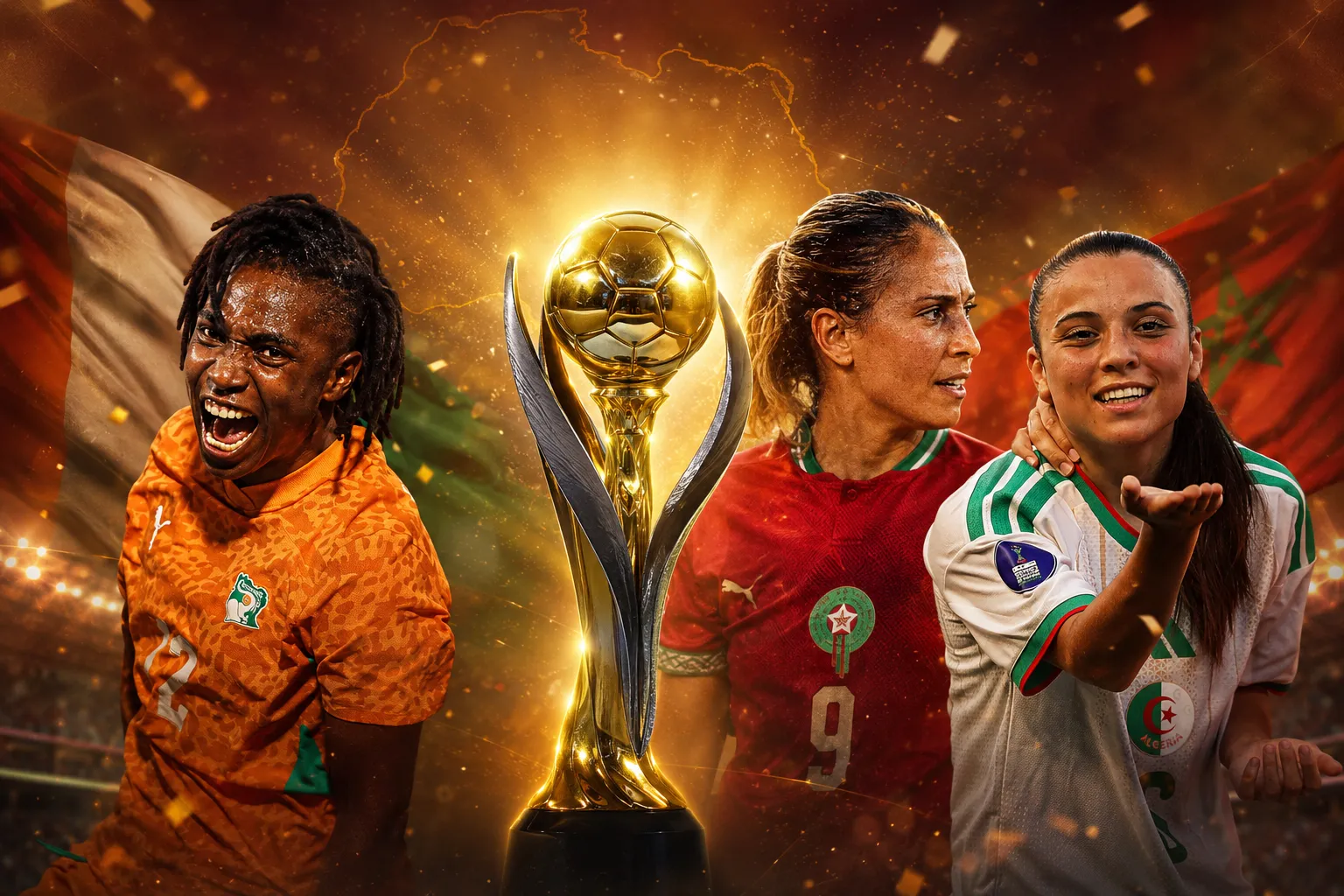
Janine van Wyk has recalled the tension, emotion and disbelief she experienced from the substitutes’ bench as Banyana Banyana secured their first Women’s Africa Cup of Nations title with a 2-1 victory over Morocco in Rabat on 23 July 2022.
The former South Africa defender was not heavily involved on the pitch during the tournament, but played an important role in supporting her team-mates during the final at Stade Prince Moulay Abdellah.
As kick-off approached, Van Wyk went around the squad reminding each player of the contribution they had made to the team.
“I said to them that we would all be part of making history if we won,” she recalls in an extract from 185: The Janine van Wyk Story, told to Firdose Moonda and published by Karavan Press.
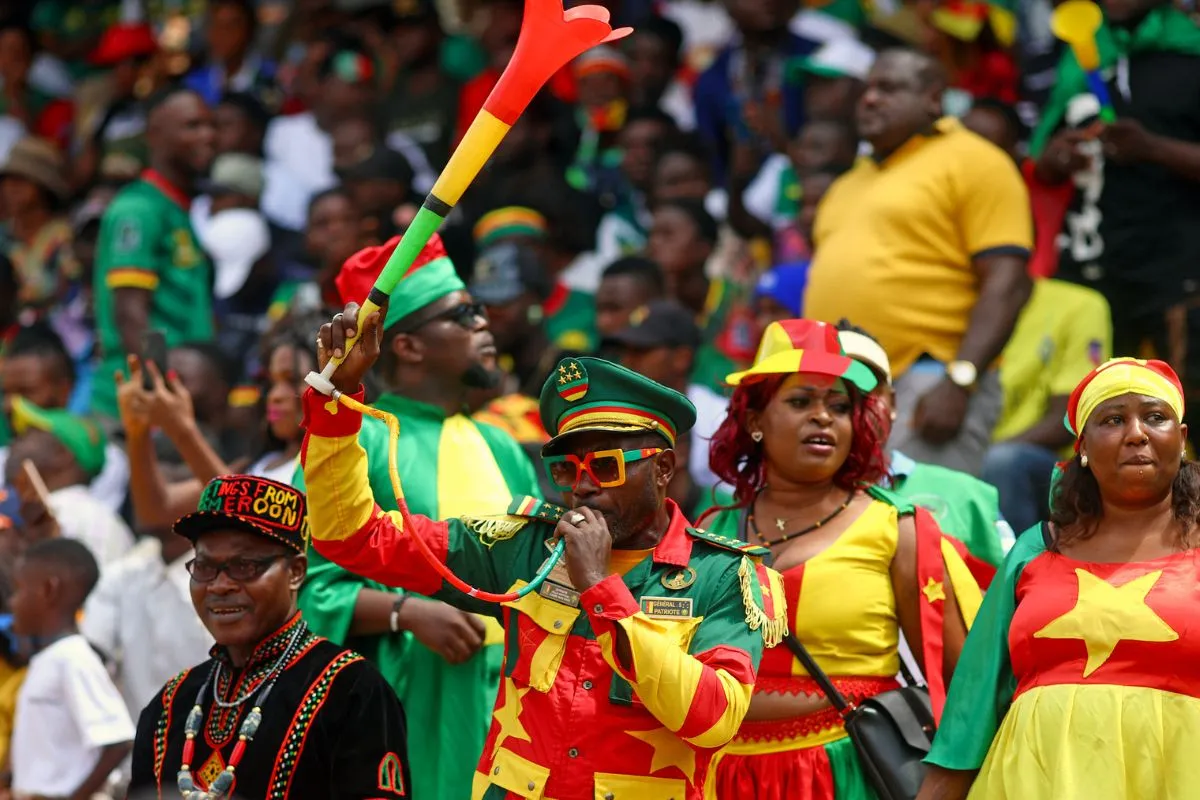
The match was played in a remarkable atmosphere, with red flares, drums, whistles and constant noise from the Moroccan supporters. Around 60,000 people reportedly tried to enter a stadium with a capacity of 45,000, while the home crowd jeered whenever South Africa had possession.
The teams were level at half-time, and Van Wyk used the interval to pass on observations and advice to several players. She believed South Africa’s best route to goal came through the relationship between Jermaine Seoposenwe and Hildah Magaia.
The pair had already created an opportunity in the opening period, only for Morocco goalkeeper Khadija Er-Rmichi to come quickly off her line and smother the attack.
South Africa finally broke the deadlock in the 63rd minute. Seoposenwe moved beyond two defenders before cutting the ball back from near the touchline, allowing the unmarked Magaia to place a shot into the bottom-right corner.
Van Wyk sprinted down the touchline to celebrate with Magaia at the corner flag, describing the moment as though she was still involved in the action.
Eight minutes later, Magaia doubled the lead. She worked her way through the Moroccan defence and lifted the ball over Er-Rmichi, prompting Van Wyk to race to the corner flag once again. This time, she lifted the goalscorer into the air before the rest of the team arrived.
South Africa had a two-goal advantage with 20 minutes remaining, but Van Wyk knew the final was far from over. Morocco continued to attack, while some of the South African players began to tire and make mistakes.
With 10 minutes left, Rosella Ayane was left unmarked after Morocco won possession in South Africa’s half. She finished the move to give the hosts hope, and they came close to equalising again with two minutes remaining.
“I was a nervous wreck on the bench. I couldn’t sit still. I couldn’t watch, but I also couldn’t look away,” Van Wyk said.
Her anxiety increased when the fourth official indicated seven minutes of added time.
“Where had seven minutes come from?” Van Wyk recalls. She pulled her shirt over her head in an attempt to block out the noise as Morocco committed players forward in search of an equaliser.
South Africa’s defence survived the late pressure, clearing the ball away repeatedly until the final whistle confirmed the historic victory.
Van Wyk ran towards her team-mates in tears, embracing anyone wearing the green and gold. She described the experience as the finest moment of her career, saying she felt “happy, excited, broken and hurt all in one”.
She added that she was certain of one thing: “I was an African champion.”
The players fell to the ground after the final whistle, with many giving thanks to the Lord. Van Wyk then wrapped herself in the South African flag before joining the team’s lap of honour. Although there were only a small number of South African supporters inside the stadium, the players found them and saluted them.
On the podium, Andile Dlamini, Refiloe Jane and Van Wyk lifted the trophy together as co-captains, team-mates and champions.
The celebrations also carried a wider message. Several South African players used the moments after the victory to call on corporate South Africa to provide greater support for the women’s game, particularly through the creation of a professional domestic league.
Morocco’s development was used as an example of what could be achieved with investment. South Africa had defeated one of the continent’s best-funded teams despite lacking a comparable domestic structure, and Van Wyk argued that the players deserved more than congratulations.
They deserved to be taken seriously and given the opportunities required to progress.
Van Wyk also praised Morocco’s organisation of the tournament. Of all the Wafcon editions in which she participated, she described the 2022 competition as the most electric, with strong marketing, substantial support and full stadiums for many matches.
She said the facilities were of the highest standard and that the visiting teams had been treated like professionals. Morocco, she added, had established itself as a leading host in Africa.
Van Wyk said it was therefore unsurprising that the country had since been selected to stage other major events, including serving as a co-host of the 2030 World Cup.