Two newly revealed pieces of evidence could significantly strengthen Morocco’s case at the Court of Arbitration for Sport (CAS) as they seek to retain the 2025 Africa Cup of Nations title awarded to them by CAF after Senegal were stripped of the crown.
The first is a leaked report, seen by African.Football, in which the final’s general coordinator is said to have stated that Senegal’s players went to the dressing room and effectively abandoned the match during the chaos of the final in Rabat.
The second is an explosive claim attributed to Olivier Safari, chairman of CAF’s referees committee, who told a CAF Executive Committee meeting in February that instructions were given not to caution Senegal’s players when they returned to the pitch — a statement that could raise fresh questions about interference in refereeing and whether the match should have been stopped much earlier.
Taken together, the two revelations may bolster Morocco’s central argument before CAS: that the final should have been considered forfeited once Senegal left the field of play in protest, and that the laws of the competition were not applied at the time.
A final that never really ended
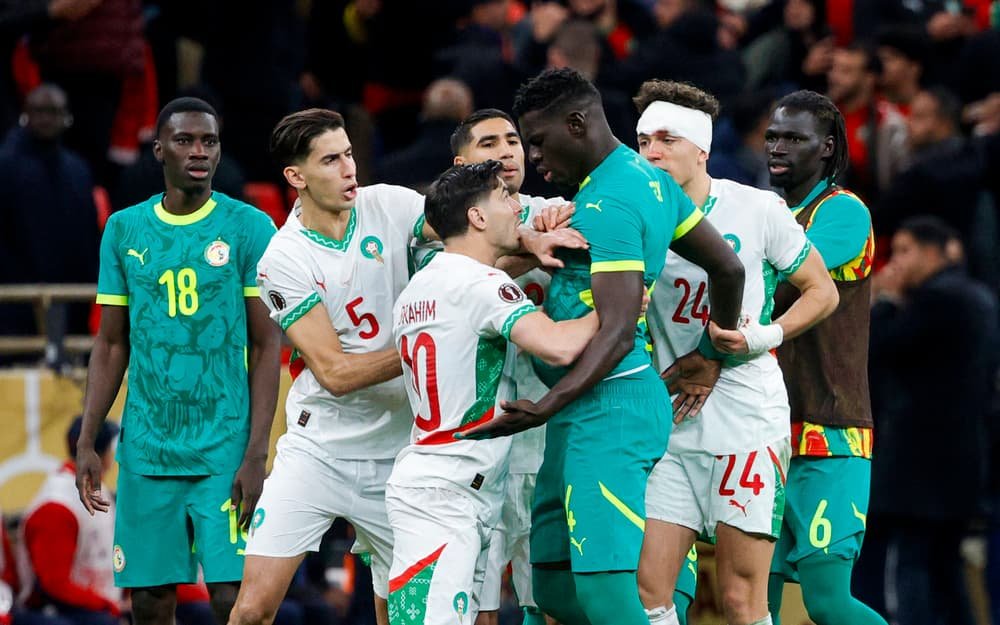
The 2025 AFCON final has remained one of the most contentious matches in African football history.
Senegal beat Morocco 1-0 after extra time on 18 January and celebrated what appeared to be their second continental title. But two months later, CAF’s appeals board overturned the result and awarded Morocco a 3-0 victory, ruling that Senegal had forfeited the match under Articles 82 and 84 of the competition regulations.
Article 82 states that a team that leaves the field before the regular end of the match without the referee’s authorisation shall be considered the loser and eliminated. Article 84 provides for a 3-0 result in such circumstances.
Senegal have appealed that decision to CAS, insisting the ruling was “unfair, unprecedented and unacceptable”, while maintaining that they won the title on the pitch.
Leaked coordinator’s report may prove central
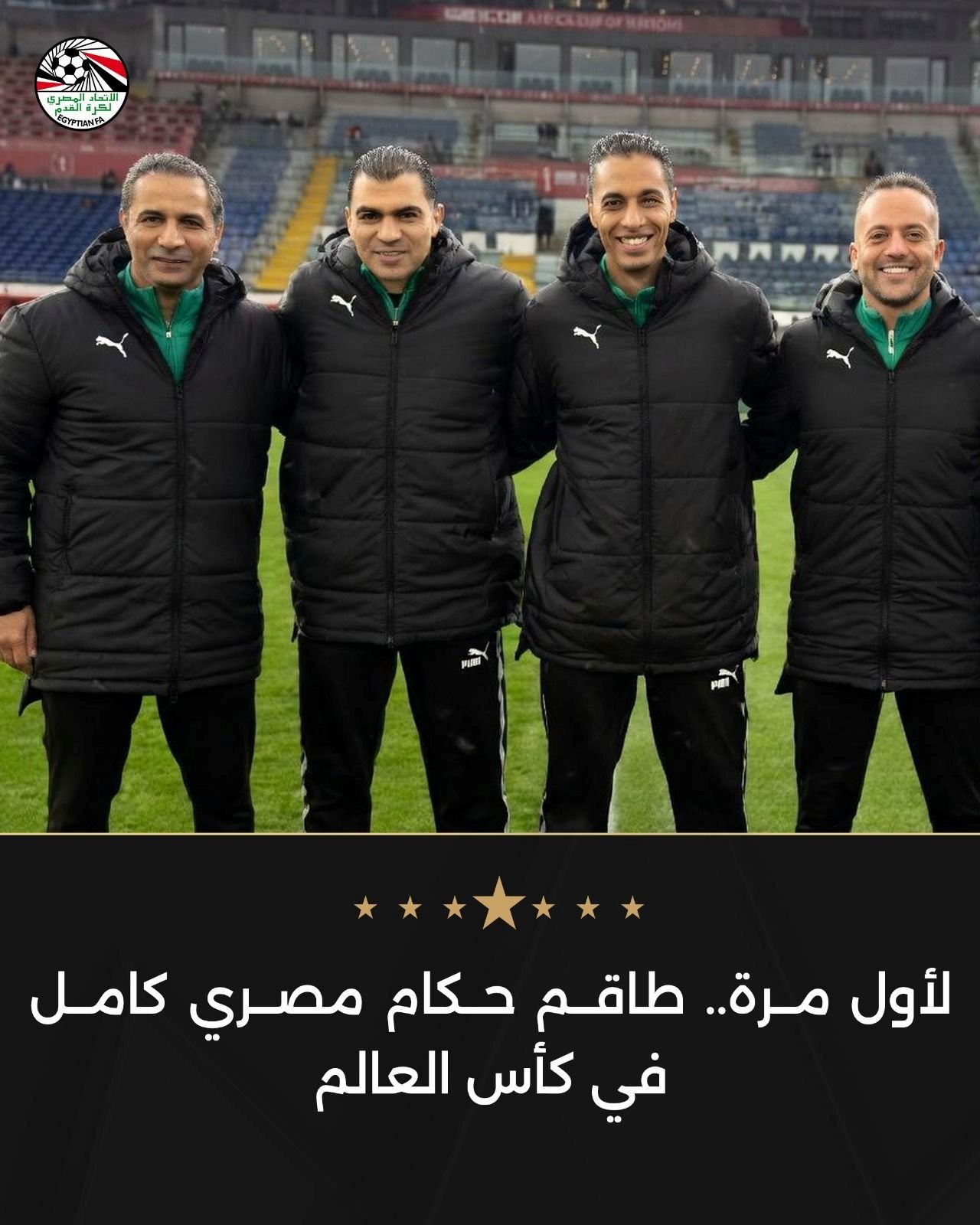
One of the most important new details concerns the account of match official Khaled Lemkecher, the general coordinator of the final.
According to the leaked report cited by African.Football, Lemkecher wrote that there were “very strong protests” from the entire Senegal team, which “intensified even more” after the penalty was awarded to Morocco late in normal time.
He goes further, stating that the players went “to the locker room, abandoning the match,” and adds that only “one player [Sadio Mané] remained and later asked a member of the technical staff to go to the locker room and tell the players to return to the pitch to finish the match.”
That wording could be highly significant at CAS.
Morocco may argue that the report from the match’s own general coordinator supports the conclusion that Senegal did not merely protest, but abandoned the game. If CAS gives weight to that description, it could reinforce CAF’s Appeals Board reasoning that the final should have been forfeited regardless of what happened after the players returned.
It may also support the claim that the match should have been stopped once the protest exceeded 15 minutes, rather than being allowed to continue to extra time.
Refereeing interference claim raises new questions

The second revelation could prove just as important.
During the CAF Executive Committee meeting on 13 February in Dar es Salaam, Safari reportedly said: “Every Senegalese player who left should have been immediately cautioned upon returning to the pitch, but we gave instructions not to do so, in order to preserve the match and avoid bringing it to a premature end.”
If accurately reported, the statement could have two major implications.
First, it appears to acknowledge that, under normal application of the laws, Senegal’s returning players should have been sanctioned. Second, it suggests that an instruction was issued from outside the referee’s own on-field decision-making process — something Morocco could present as evidence that officials intervened to keep the match alive when the rules pointed towards abandonment.
That does not automatically invalidate Senegal’s later on-field victory, but it may strengthen Morocco’s broader position that the final was allowed to continue under exceptional handling that was inconsistent with the regulations.
Senegal’s counter-argument remains strong
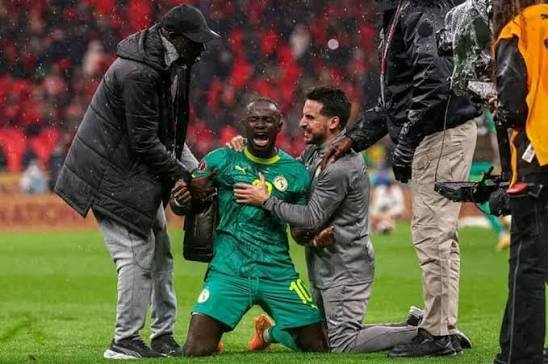
Yet Senegal are expected to strongly contest both points.
Their legal team has already argued that the match was resumed, the penalty was taken, full-time was reached, and extra time was played to completion under the authority of the referee. From that perspective, Senegal may argue that whatever happened during the protest was resolved when the players returned and the match was allowed to continue.
They are also likely to insist that responsibility ultimately rested with the referee and match officials, who chose not to abandon the game at the time.
Senegal’s wider argument has been that football matches should be settled on the pitch, and that it is unprecedented to strip a team of a major international title weeks after the final whistle.
They may further argue that if refereeing procedures were mishandled, that should not retrospectively erase a result that was completed under official supervision.
A potentially decisive moment

Even so, the emergence of these two details changes the tone of the case.
The leaked coordinator’s report appears to provide direct contemporaneous support for the claim that Senegal abandoned the match. Safari’s alleged remarks, meanwhile, seem to suggest that match officials were steered away from applying immediate disciplinary consequences that might have ended the contest there and then.
For Morocco, those revelations could become powerful additions to an already strong technical case based on Articles 82 and 84.
For Senegal, they raise the stakes further in a dispute that has already become one of African football’s most controversial legal battles.
CAS will now decide whether the title belongs to the team that lifted the trophy on the night — or to the team that argues the match should never have reached its conclusion.