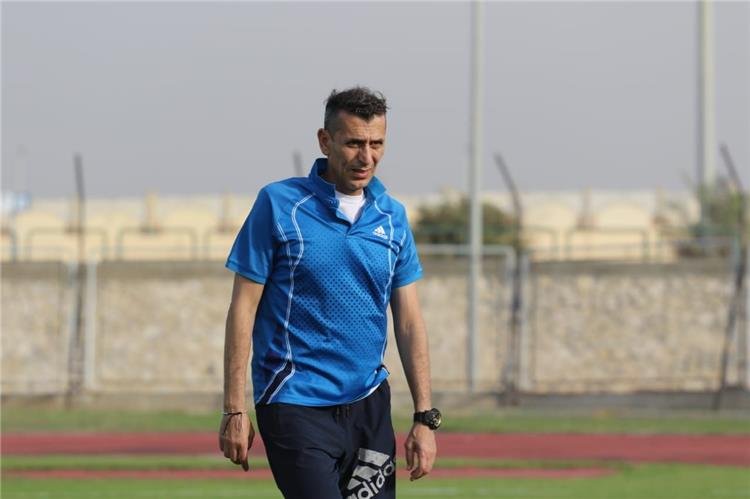
US authorities have defended the decision to deny entry to Somali referee Omar Abdulkadir Artan ahead of the 2026 World Cup, citing security vetting concerns as the basis for the move.
Artan, who had been issued a valid visa last week and was expected to officiate at the tournament, was refused entry at Miami International Airport after arriving in the United States.
A US official, speaking anonymously to ESPN, said the decision was linked to “association with suspected members of terror organizations”, though no further details were provided, citing visa privacy laws.
The White House FIFA Task Force executive director Andrew Giuliani also said Artan was turned away for “very good reason”, but declined to elaborate further.
US Customs and Border Protection confirmed that the referee was denied entry following standard “vetting concerns”, adding that such decisions are made based on security assessments conducted upon arrival.
Artan was reportedly detained for around 11 hours at the airport, where he was questioned about his travel history, Somali politics and the al-Shabab militant group before being placed in a holding facility and deported via Istanbul.
He has said he provided FIFA documentation and evidence of his refereeing career during questioning, but was not given a detailed explanation for the refusal.
The case has drawn attention because Artan had previously been cleared to travel and was expected to be part of the officiating team for the expanded 48-team World Cup hosted across the United States, Mexico and Canada.
US officials maintain that visa issuance does not guarantee entry, stressing that final admission decisions are made at the border following additional screening procedures.
“Security vetting is a continuous process,” one US official said, noting that entry determinations can be revised if new information is identified at the point of arrival.
The incident has prompted questions within football circles about how immigration and security procedures may affect tournament personnel, particularly those travelling from countries subject to heightened scrutiny.
Somalia is among several nations that have faced long-standing security-related travel restrictions or enhanced screening measures, although officials have not confirmed whether those policies directly influenced Artan’s case.
FIFA has said it is not involved in immigration decisions taken by host governments, which retain full authority over visa approvals and border entry.
As preparations continue for the 2026 World Cup, the case highlights the challenges of balancing security protocols with the logistical demands of hosting a global sporting event involving thousands of accredited participants.
For Artan, the decision represents a significant setback in his refereeing career, coming shortly after his recognition as Africa’s top referee and his selection for football’s biggest tournament.