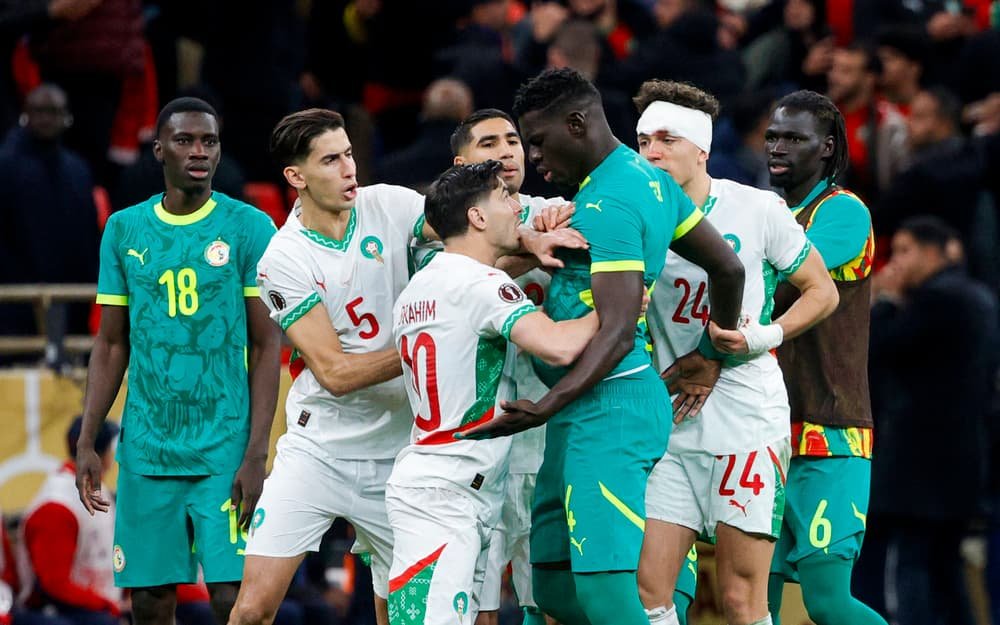
Senegal could be at risk of exclusion from the next Africa Cup of Nations 2027 following the controversial decision by the Confederation of African Football to overturn the result of the 2025 final.
CAF’s Appeals Committee recently ruled that Senegal forfeited the Africa Cup of Nations 2025 final against Morocco, awarding the title to the North African side with a 3–0 result. The decision has already sparked widespread debate, but attention is now turning to the potential consequences of that forfeiture.
Under CAF regulations, specifically Article 59, a team that forfeits a match could face exclusion from the next edition of the tournament. While the ruling against Senegal has been described as an administrative forfeit, uncertainty remains over whether the regulation will be strictly enforced in this case.
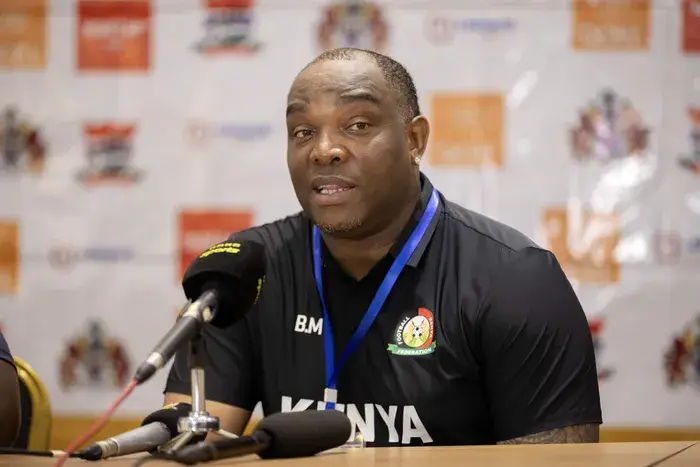
If applied, the provision could see Senegal barred from AFCON 2027, which is scheduled to be hosted jointly by Kenya, Tanzania and Uganda.
Such a development would represent a significant escalation in an already contentious situation, raising the prospect of what some observers have described as a “double punishment” for the West African nation.
Senegal were initially declared winners of the 2025 final after securing victory on the pitch. However, CAF’s subsequent decision to overturn that result has already stripped them of the title. The possibility of exclusion from the next tournament would add a further layer of sanction.
At this stage, no official confirmation has been made regarding any additional disciplinary action. CAF has not announced whether Article 59 will be applied, leaving the situation open to interpretation.
The uncertainty has intensified debate across African football, with questions emerging over how the governing body interprets and enforces its own regulations in complex cases.
Meanwhile, the Senegalese Football Federation is expected to challenge CAF’s decision by appealing to the Court of Arbitration for Sport.
An appeal to CAS would focus on overturning the forfeiture ruling, which the federation is believed to consider unjust and disproportionate. A successful appeal could also influence whether any further sanctions, including a potential exclusion, are pursued.
For now, the threat of a ban from AFCON 2027 remains hypothetical. However, if enforced, it would mark a historic precedent in African football, with far-reaching implications for both governance and competition integrity on the continent.
The situation remains fluid, and developments in the coming weeks particularly any move to CAS are likely to determine whether Senegal’s involvement in the next Africa Cup of Nations is placed in jeopardy