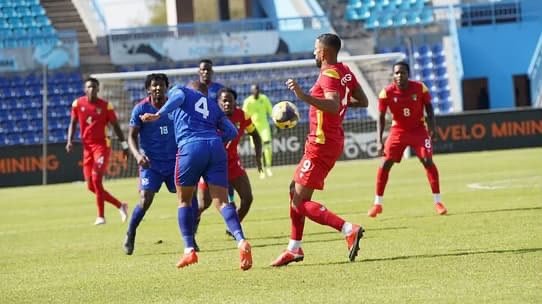
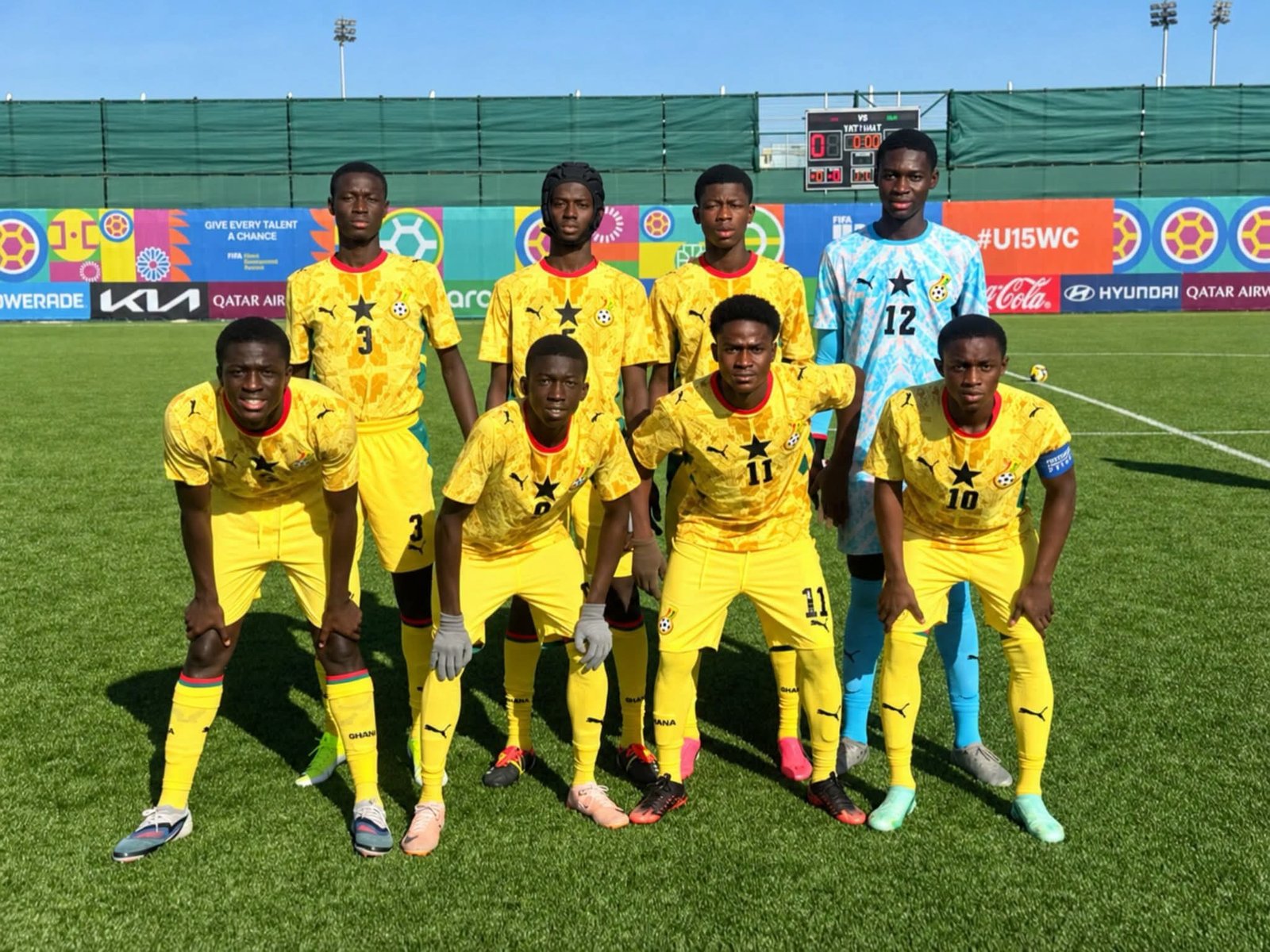
Former John Obuh has attributed Nigeria’s recent struggles at under-17 level to poor preparation and persistent interference in team affairs.
Nigeria’s failure to qualify for the 2026 U-17 Africa Cup of Nations, which also serves as a pathway to the FIFA U-17 World Cup, has raised fresh concerns about the state of youth football development in the country.
Speaking about the situation, Obuh argued that simply appointing experienced or previously successful coaches would not be enough to reverse the decline. Instead, he stressed that consistent planning and proper support structures are essential for success at youth level.
“Bringing the likes of Amuneke back, who won with the Eaglets, isn’t the issue it’s the attention being given to them that matters.
“If you give the team attention and work that team up to want to get results, you will definitely get results,” he said.
The former coach suggested that a lack of sustained focus on team development has undermined performance, despite the availability of capable technical staff.
Obuh also pointed to deeper systemic problems, particularly in the area of player selection. He claimed that external pressures from agents and football administrators continue to disrupt the process, often leading to questionable decisions.
“I think there is a lot of interruptions in the selection of players today.
“A lot of people want their players to be picked. There’s the question of nepotism and tribalism,” Obuh stated.
According to him, such interference prevents coaches from building competitive squads based purely on merit. He warned that unless coaches are empowered to make independent decisions, the team’s performance is unlikely to improve.
He further criticised what he described as a lack of accountability among coaches, suggesting that many are reluctant to take full responsibility for their choices.
“We don’t have a coach that will say, ‘I am selecting my team if I fail, sack me.’ Unfortunately, most of them today play to the hands of the person who gave them the job.”
Obuh’s comments highlight long-standing concerns about governance and transparency within Nigeria’s football system, particularly at youth level, where development pathways are seen as crucial for the future of the senior national team.
Having previously overseen one of Nigeria’s more successful youth campaigns, Obuh brings experience to the debate. He led the Golden Eaglets to a silver medal at the 2009 FIFA U-17 World Cup, a performance that remains one of the country’s notable achievements in youth football.
His remarks will add to ongoing discussions about reforming the structure of youth football in Nigeria, with calls for better organisation, reduced interference, and a stronger emphasis on merit-based selection.