CAF president Patrice Motsepe has pledged a renewed crackdown on corruption in African football, amid the fallout from the controversial 2025 Africa Cup of Nations (AFCON) final decision involving Senegal.
Speaking in Dakar after meeting Senegal’s President Bassirou Diomaye Faye and football federation officials, Motsepe said CAF would adopt a “zero tolerance” approach to corruption across all sectors of the game. His remarks come at a time of heightened scrutiny of the organisation following the unprecedented stripping of Senegal’s AFCON title.
“We will combat all forms of corruption within CAF,” Motsepe said, adding that transparency and accountability would be prioritised. He described corruption as “worse than cancer” and warned that it threatens the future of the continent if left unchecked.
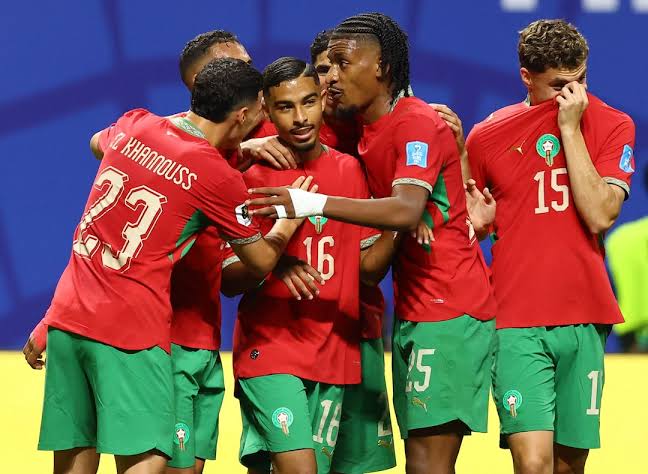
The visit forms part of a diplomatic effort to ease tensions after CAF’s Appeals Board ruled in March that Senegal had forfeited the AFCON final against Morocco. The decision overturned Senegal’s 1-0 on-field victory and instead awarded Morocco a 3-0 win, citing a breach of regulations after Senegal players briefly walked off the pitch in protest at a late refereeing decision.
The ruling has sparked widespread outrage in Senegal, with authorities alleging within CAF and calling for investigations into the governing body’s processes.
Senegal has since lodged an appeal with the Court of Arbitration for Sport (CAS), setting the stage for a potentially lengthy legal battle.
Motsepe, however, has defended CAF’s judicial independence, insisting that its disciplinary and appeals bodies operate without external interference. At the same time, he has indicated openness to investigations, stating he would welcome scrutiny from governments or independent institutions.
The controversy has exposed deep divisions within African football, with critics questioning both the legality and proportionality of CAF’s decision. Analysts and former officials have argued that overturning an on-field result through administrative measures risks damaging the credibility of the sport on the continent.
Motsepe has sought to strike a conciliatory tone, emphasising unity among CAF’s 54 member associations and promising that no nation would receive preferential treatment.
His visit to Senegal is expected to be followed by similar engagements with Moroccan authorities as CAF attempts to contain the crisis.
For many observers, the episode represents a defining moment for African football governance. With the CAS verdict still pending, the outcome could have far-reaching implications not only for the 2025 AFCON title, but also for trust in CAF’s leadership and its commitment to transparency.
As Motsepe intensifies his anti-corruption message, the pressure remains on CAF to demonstrate that its actions match its words.