Morocco national football team remain officially African champions following the controversial conclusion of the 2025 Africa Cup of Nations, but the dispute surrounding the final is expected to move to the Court of Arbitration for Sport for a decisive legal review.
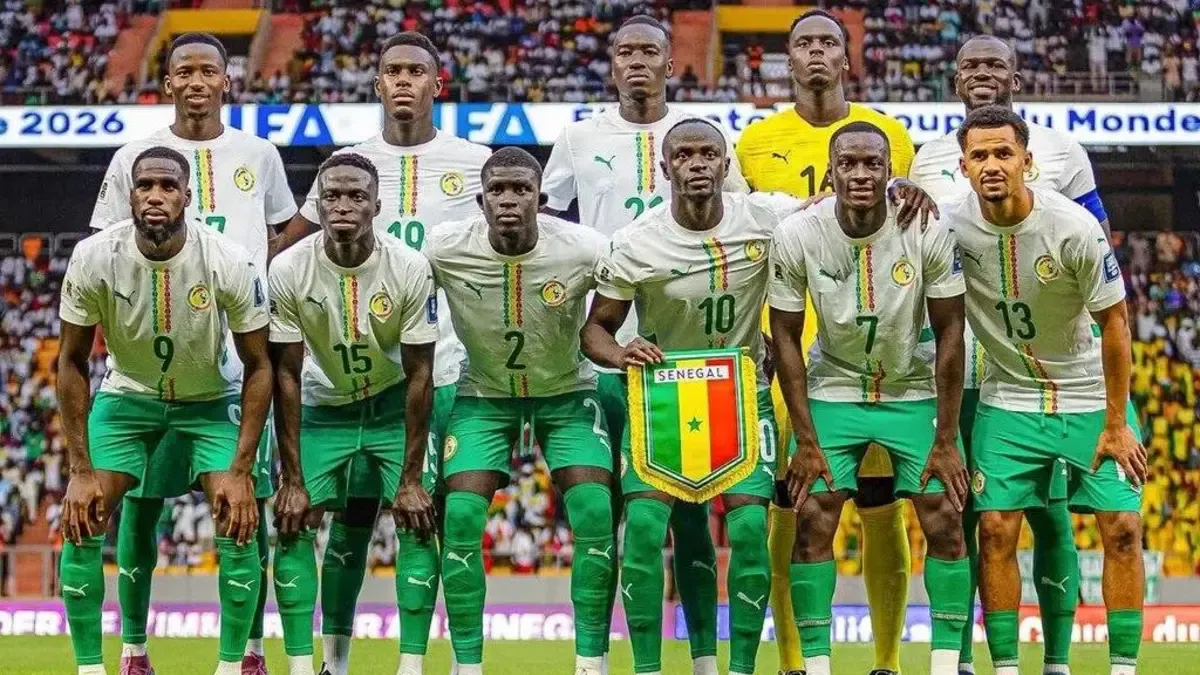
The case follows a ruling by the Confederation of African Football on 17 March, which overturned Senegal’s victory in the final and awarded Morocco a 3–0 win after determining that Senegal had forfeited the match by leaving the pitch during the game in Rabat.
While Senegal have rejected the decision as “Unacceptable” and signalled their intention to appeal, legal analysis suggests Morocco may hold the advantage as the case transitions from sporting controversy to legal scrutiny.
Sports lawyer Romain Bizzini, speaking to Onze Mondial, indicated that the outcome at CAS will depend strictly on the interpretation and application of CAF’s regulations, particularly Articles 82 and 84, which govern forfeits and match abandonment.
CAS, based in Switzerland, is the highest authority for resolving disputes in sport, and its rulings are final and binding. However, the process requires swift action from Senegal, who must file an appeal within a limited timeframe—typically around 10 days—before submitting detailed legal arguments shortly afterwards.
Importantly, any appeal will not automatically suspend CAF’s decision. This means Morocco will continue to be recognised as champions unless Senegal successfully requests provisional measures to temporarily halt the ruling.
According to Bizzini, the legal process itself could take several months, and in some cases close to a year, before a final verdict is delivered.
At the centre of the case is a technical but crucial question: whether Senegal’s actions during the final constitute a formal withdrawal under CAF rules. If CAS determines that the team no longer met the requirements to continue the match after leaving the pitch, the governing body’s decision could be upheld.
However, Senegal may argue that the situation was more nuanced. The team returned to the field and completed the match, a factor they could claim should mitigate the severity of the initial walk-off. The absence of explicit provisions in CAF’s regulations for scenarios where a team leaves and then resumes play may also form part of their argument.
CAS is known for its strict reliance on written regulations rather than public sentiment or external pressure, meaning the case will be decided on legal interpretation rather than emotion.
For now, CAF’s ruling remains in force, with Morocco officially recognised as AFCON 2025 winners. Yet the prospect of a CAS appeal ensures the matter is far from resolved, setting the stage for a prolonged legal battle that could ultimately shape how football regulations are interpreted and enforced across the continent.
As the dispute moves into the legal arena, Morocco appear to enter the next phase with a stronger regulatory foundation, though the final outcome will depend on how CAS evaluates the complexities of the case.