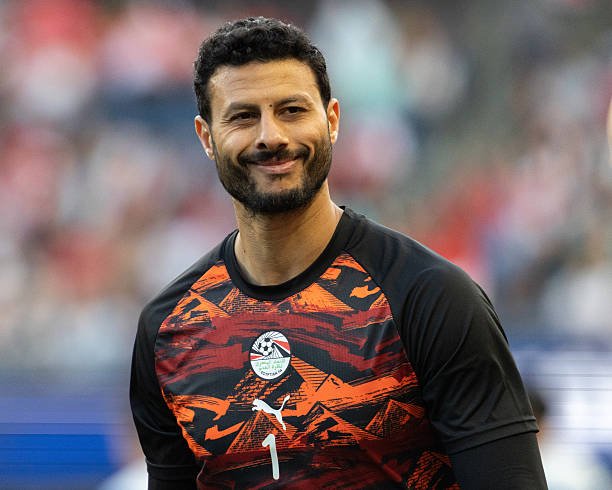
The decision by Egypt international Mohamed Salah to continue his professional career in the Turkish league with Trabzonspor has prompted widespread debate over what football now means to one of the game’s most prominent players.
Salah’s move to the Turkish club has been described as a surprising development, raising questions about the reasons behind what appears to be a sudden decision. It also invites a closer look at the thinking of a player whose career has been defined by his status as one of the most recognisable footballers in the world.
Football is loved by millions – or, as some would argue, billions – across the globe. For many players, however, the sport is not necessarily the final destination. Instead, it can be a means of pursuing wider ambitions, whether those ambitions remain connected to football or extend beyond the game itself.
The central question surrounding Salah’s journey to Trabzon is whether football remains the primary objective of this latest stage of his career. His move to Trabzonspor has led to speculation that he may be approaching a new, and perhaps final, chapter in his professional life.
That does not necessarily mean he has turned away from the sport. Rather, the transfer has encouraged observers to examine the place football occupies in his priorities and to consider whether his ambitions have changed as his career has progressed.
The debate has also been framed by comparisons with other major football figures, including Cristiano Ronaldo and Lionel Messi. Their careers have helped underline how the world’s leading players can come to represent more than their performances on the pitch, with each major decision attracting attention well beyond the result of a match or the outcome of a season.
Salah now finds himself at the centre of a similar discussion. His arrival in the Turkish league, and specifically at Trabzonspor, has generated significant controversy because of the implications attached to the move, rather than simply the destination itself.
The transfer is therefore being viewed as more than a change of club. It has become a way of exploring the mindset of the Egyptian star and the motives behind a decision that has caught many people off guard.
For now, the move marks a fresh phase in Salah’s professional career. Whether it represents a deliberate search for a different football experience, a step towards ambitions outside the game, or the beginning of a final period as a professional player remains the subject of discussion.
What is clear is that Salah’s Trabzonspor journey has shifted the focus away from football alone. It has opened a broader conversation about the objectives players pursue, the choices they make late in their careers and the possibility that the game may sometimes serve as a route towards goals larger than football itself.