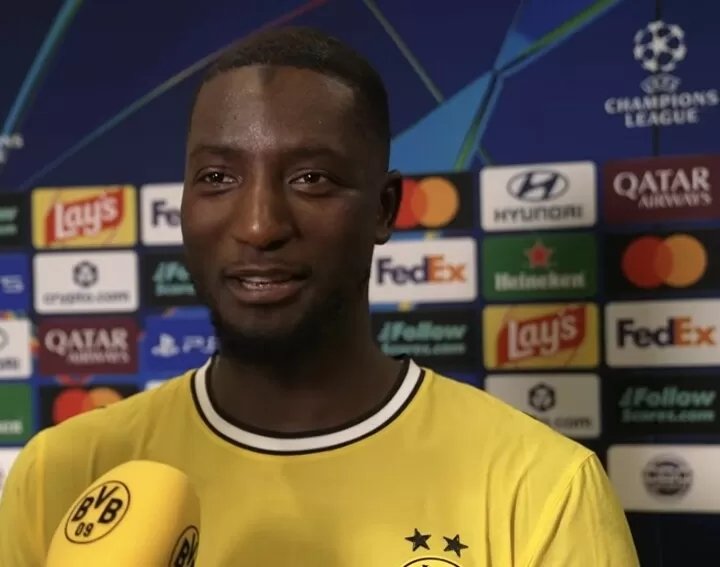
Borussia Dortmund goalkeeper Kobel said his side should have made their 2-1 UEFA Champions League win over Shabab Baku more comfortable by taking their chances earlier.
Dortmund secured three important points away from home on 20 October UTC, in the third round of the UEFA Champions League group stage. But Kobel felt the narrow scoreline allowed the hosts to believe they could still take something from the match.
“The most important thing is that we won, without a doubt,” Kobel said after the game. “But if we had converted some of our chances earlier, or scored one or two more goals, the match would have been much more comfortable.”
He added: “When the score is close, the opponent always feels they have a chance and believes there is still hope until the final whistle. If they are only one goal behind, they remain in the game, and that made things more difficult than they needed to be.”
The goalkeeper said the demanding schedule meant Dortmund had to work harder than necessary over the full 90 minutes, although he was encouraged by the number of opportunities they created.
“Playing the whole game was therefore more physically demanding than it should have been,” he said. “On the positive side, we created many chances, which shows that our performance was good. I believe we will gradually convert more of those opportunities as the season progresses. It is only a matter of time.”
Kobel said the trip to Shabab Baku had presented different challenges from Dortmund’s previous away fixtures against Bodø/Glimt and Berlin, particularly because of the opponents’ age and the length of the journey.
“They are a very young team,” he said. “When were they founded? It must have been recently. I remember they said around 2017, right?”
He noted that a five-hour flight in the middle of the week was unusual, especially after Dortmund had played on Saturday and were facing a tight schedule. Even so, Kobel said the basic demands of the match were unchanged.
“In the end, it is still football11 players against 11 on the pitch,” he said.
The journey did have some effect, according to Kobel, but not enough to determine the result. He warned that the impact would become more significant if a team had to travel in the same way every week.
Long flights can increase swelling around existing injuries and extend recovery times, while repeated changes in time zones, beds and sleeping environments can gradually add to fatigue over a season, he explained.
Dortmund return home before hosting Frankfurt on Saturday. Kobel said playing at home would provide a boost despite the short recovery period, because the familiar surroundings and support of the fans could help tired players cope with discomfort.
“When your body is very tired after so many matches, feeling the fans and the atmosphere in the stadium makes it easier to get into the game,” he said. “The support from everyone around you helps reduce that fatigue and discomfort.”