Cameroon football legend Samuel Eto’o has criticised the decision by the Confederation of African Football (CAF) to award the Africa Cup of Nations (AFCON) title to Morocco, questioning the credibility of the outcome and its impact on the tournament’s global reputation.
Eto’o’s remarks come amid ongoing debate surrounding the conclusion of the continental competition, with the former striker suggesting that the decision undermines confidence in African football’s flagship event.
Speaking on the issue, Eto’o expressed disbelief at the sequence of events that led to Morocco being recognised as champions, despite losing the final. He indicated that such a development risks damaging the integrity of the competition in the eyes of fans and observers worldwide.
“They have given the world a reason to never take AFCON. Seriously, how will you lose a final and win it two months later?” he said.
The Africa Cup of Nations, organised by CAF, is widely regarded as the most prestigious football tournament on the continent, bringing together top national teams from across Africa.
Decisions regarding its outcome are typically subject to intense scrutiny, particularly when they deviate from expectations on the pitch.
Eto’o, who is one of Africa’s most decorated footballers and a prominent voice in the sport, also suggested that the widely accepted outcome of the tournament differs from the official ruling.
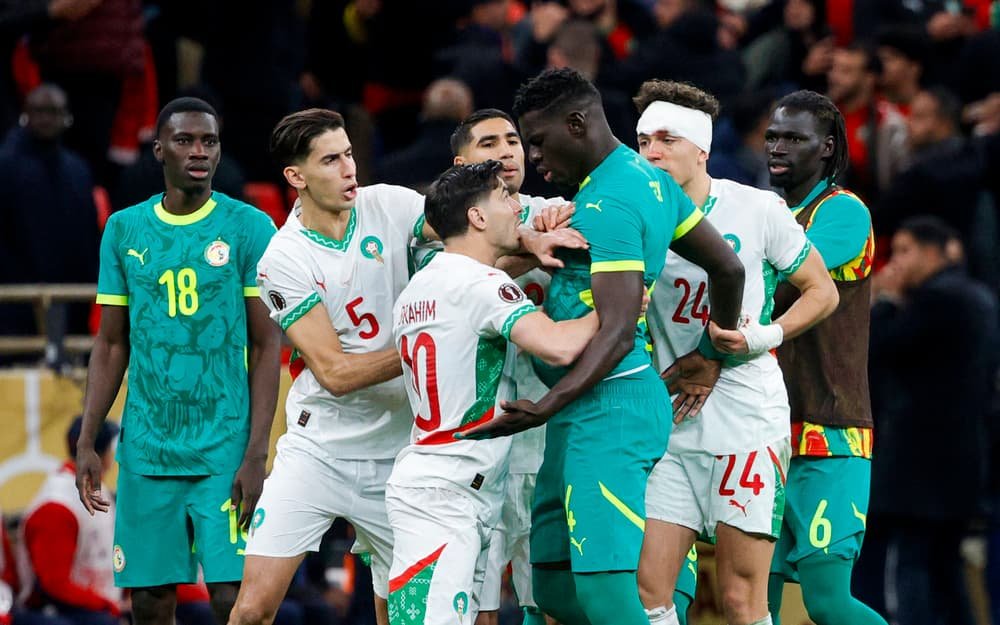
He pointed to Senegal as the team many believe earned the title through their performance.
“The whole world knows the real winners. Senegal have proof that they won the AFCON,” he added.
His comments reflect a broader sentiment among some observers who question the legitimacy of the decision
As a former player who enjoyed significant success at both club and international level, Eto’o’s views carry weight within the football community.
Despite the ongoing debate, CAF remains the governing authority responsible for organising and regulating African football competitions. Any official changes to tournament results or titles fall under its jurisdiction, though such decisions can be subject to challenge or review.
The long-term impact on AFCON’s reputation may depend on how the issue is addressed in the coming weeks and months.