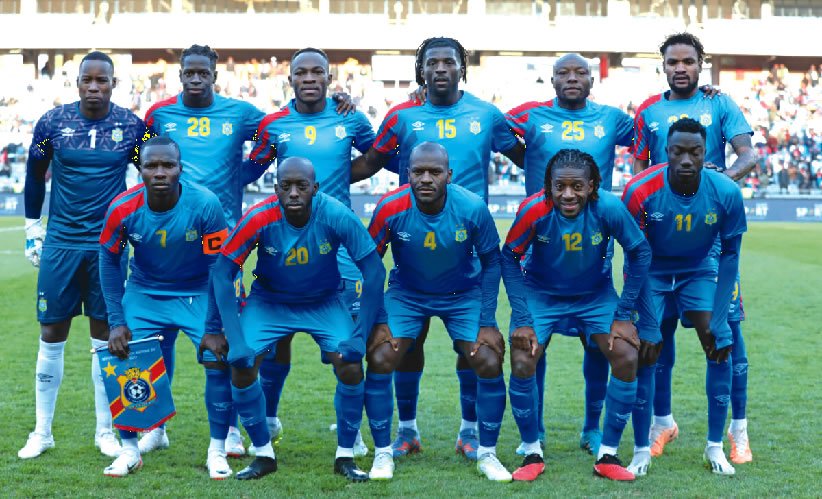
Morocco has been officially crowned champions of the 2025 Africa Cup of Nations (AFCON) following a ruling by the CAF Appeal Board that annulled Senegal’s victory.
The decision, based on Senegal’s temporary walk-off during the final in Rabat, awarded Morocco a 3-0 win by default, marking the Atlas Lions’ first continental title in 50 years.
The decision followed a controversial final in which Senegal initially defeated Morocco 1-0 after extra time, only for CAF to declare that Senegal had breached tournament regulations by leaving the pitch briefly following a stoppage-time penalty decision.
Morocco’s win now officially places them alongside Africa’s elite champions, a historic achievement for the North African nation.
The ruling has reshaped the recent history of the competition, adding Morocco to a list of distinguished winners since it’s inception.
Full list of winners
2025: Morocco (awarded after CAF Appeal Board overturned Senegal’s win)
2023: Ivory Coast
2021: Senegal
2019: Algeria
2017: Cameroon
2015: Ivory Coast
2013: Nigeria
2012: Zambia
2010: Egypt
2008: Egypt
2006: Egypt
2004: Tunisia
2002: Cameroon
2000: Cameroon
1998: Egypt
1996: South Africa
1994: Nigeria
1992: Ivory Coast
1990: Algeria
1988: Cameroon
1986: Egypt
1984: Cameroon
1982: Ghana
1980: Nigeria
1978: Ghana
1976: Morocco
1974: Zaire (now DR Congo)
1972: Congo
1970: Sudan
1968: DR Congo
1965: Ghana
1963: Ghana
1962: Ethiopia
1959: Egypt
1957: Egypt
The Africa Cup of Nations has grown remarkably since its inaugural edition in 1957, which featured just three nations: Sudan, Egypt, and Ethiopia.
South Africa had initially been scheduled to take part but was disqualified due to the apartheid policies of the government at the time.
Over the decades, the tournament expanded, making qualifying rounds necessary to determine which nations would reach the final stages.
By 1998, the finals featured 16 teams, a format that had mostly remained unchanged for years.
The 16 finalists were drawn into four groups of four, with the top two teams from each group advancing to the knockout stages.
There were exceptions, including Nigeria’s withdrawal in 1996 and Togo’s in 2010, which reduced the finals to 15 teams on both occasions.
A major shift came in 2019 when the tournament moved from January to June, and the finals were expanded from 16 to 24 teams.
This change allowed more nations to participate and increased the competition’s reach across the continent.
Throughout its history, AFCON has produced dominant teams and legendary records.
Egypt remains the most successful nation, having won the tournament seven times.
Cameroon follows with five titles, while Ghana has lifted the trophy four times. In total, fifteen different nations have won the continental championship.
The tournament has also seen three different trophies awarded.
The current trophy, introduced in 2002, has witnessed historic moments, including Egypt’s unprecedented run of three consecutive titles in 2006, 2008, and 2010.
In 2013, the tournament shifted to odd-numbered years to avoid clashing with the FIFA World Cup, ensuring the continent’s premier competition could have its own spotlight.