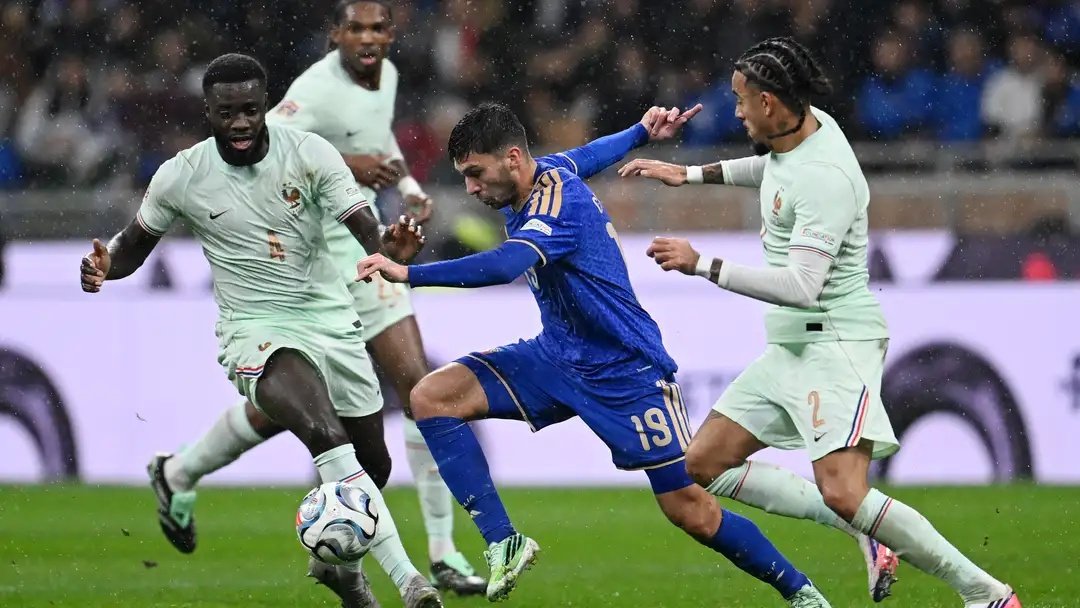
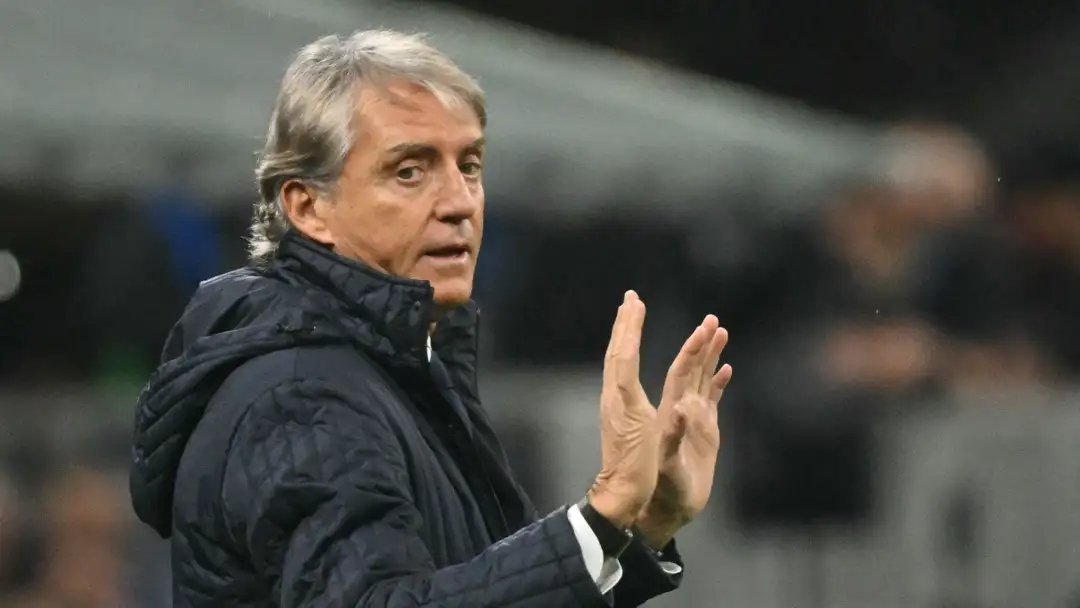
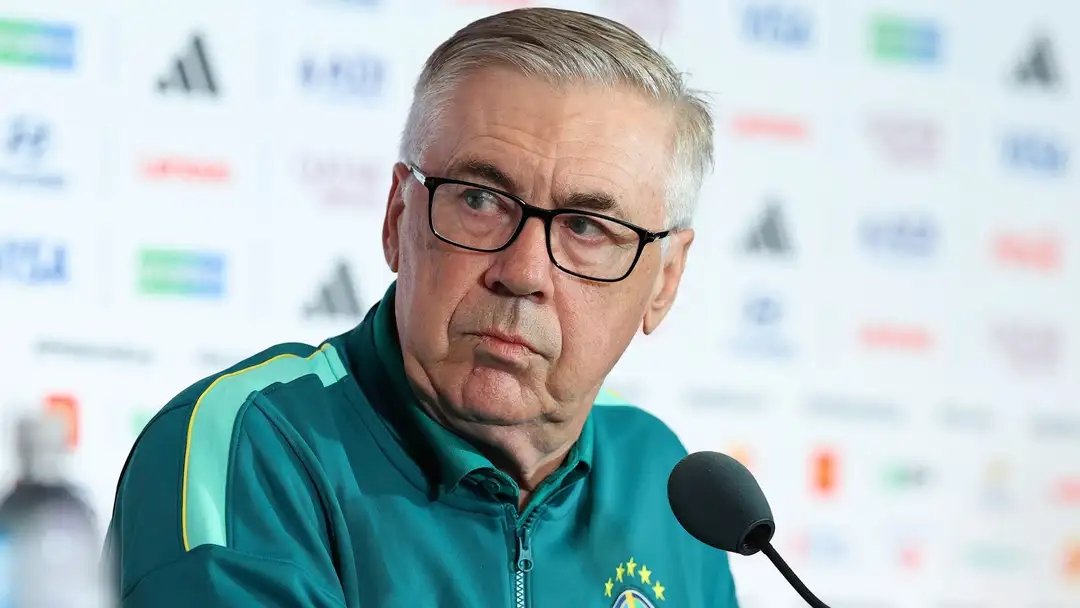
Zinedine Zidane suffered his first defeat as France manager as Italy came from behind to win 3-1 at San Siro, exposing weaknesses in the team’s organisation, attacking efficiency and ability to respond under pressure.
France had made an impressive start, with Michael Olise putting them ahead in the 10th minute after a lively opening spell. Their pressing unsettled Italy and they looked capable of controlling the contest, despite some difficulties for Malo Gusto on the right.
But France failed to turn their early dominance into further goals. Bradley Barcola and Christopher Nkunku both struck the post, and the missed opportunities proved costly as the visitors faded after half-time. Their collective pressing disappeared, the team lost its attacking threat and Italy took advantage of the space and individual errors to take control.
The defeat was France’s first in five matches since Zidane took charge. He had begun his tenure with three victories and a draw, but the performance in Milan has prompted questions about his ability to impose his ideas and manage difficult moments, according to French outlet Foot Mercato.
Zidane criticised after second-half collapse
Christophe Dugarry, a close friend of Zidane, criticised France’s display during an appearance on RMC. He said the manager’s plan had worked initially but fell apart as the match progressed.
“There was a plan, and things went well at the beginning, then it collapsed,” Dugarry said. “There is a lack of confidence, work and communication, along with many other things the team needs to improve.”
Dugarry acknowledged that France were without several important players, including Jules Kounde, Ousmane Dembele, Kylian Mbappe, Kingsley Coman, Aurelien Tchouameni and William Saliba. However, he argued that the absences could not fully explain the collapse, with individual mistakes and a physical drop highlighting the scale of the work still facing Zidane and his coaching staff.
“You cannot always show off your technical ability,” Dugarry added. “You have to be able to give everything and contribute effectively. Look at the fighting spirit the Italians showed. This team will learn how to suffer and deal with difficult circumstances.”
He described the second-half performance as a major setback, but also a potentially necessary lesson for the squad.
Substitutions raise further concerns
Zidane’s tactical decisions also came under scrutiny. He waited until the 77th minute to make changes, introducing Maiolo, Kroupi and Kumbedi for their international debuts. Although the decision gave younger players valuable experience, the timing raised questions over whether the manager had already accepted that a comeback was unlikely.
Warren Zaire-Emery and Eduardo Camavinga were among the more experienced options on the bench who could have been used earlier to help France regain control in midfield. Zidane was also criticised for keeping Gusto on despite his problems on the right.
“It is Zidane’s decision, but it has not proved correct so far,” Dugarry said. “It is strange that he does not try Zaire-Emery.”
Daniel Riolo, also speaking on RMC, said some of Zidane’s choices were difficult to understand and that France appeared to lose their identity.
“There are things I did not understand, and Zidane’s choices raise doubts in certain positions,” Riolo said. “We played well for 25 minutes, but after that there was enormous confusion. I no longer knew who was playing where, or who was doing what.”
The defeat has therefore become Zidane’s first significant test as France manager, with the team now needing solutions that extend beyond a promising opening spell.