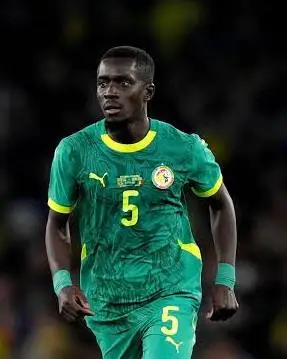
Thiago Scuro has explained how Folarin Balogun’s proposed move from Monaco to Everton collapsed on the final day of the summer transfer window, despite the paperwork for the deal already having been signed.
Monaco had initially been prepared to sell the striker to Everton as part of their plans for the closing hours of the window. Balogun travelled to England and completed a medical examination after the two clubs had progressed with the transfer.
The move then stalled when Everton contacted Monaco to raise questions about the results of the medical. Scuro said those concerns did not make sense to either Monaco’s medical team or the player’s representatives.
Balogun ultimately decided against joining Everton, leaving the proposed transfer incomplete even though the contracts required to formalise the deal had already been signed.
The situation also affected Monaco’s wider transfer plans. The French club had expected Balogun’s sale to generate significant income and help balance its budget while allowing midfielder Lamine Camara to remain with the team.
At the same time, Chelsea were attempting to negotiate with Monaco over a deal for Camara. Monaco were initially unwilling to let the Senegalese midfielder leave, but the expected income from Balogun’s transfer would have allowed the club to keep him.
Once Balogun’s move to Everton broke down, Monaco had to reconsider the possibility of selling Camara. The decision therefore had consequences beyond the striker’s failed transfer, with the Ligue 1 club forced to revisit its financial and squad plans on the final day of the window.
Everton, meanwhile, ended the transfer window with only one experienced striker in their squad after Balogun’s proposed arrival was abandoned.
Scuro’s account makes clear that the transfer did not collapse because Monaco had changed their position on selling the forward. The club had been willing to approve the deal, and Balogun had travelled to England for the medical process.
Instead, uncertainty emerged after Everton reported issues connected with the examination. Monaco’s medical staff and the player’s representatives did not share those doubts, according to Scuro, but the concerns were enough to prevent the transfer from being completed.
Balogun’s decision to withdraw meant that a deal which had reached the contract stage could not be concluded. Monaco were left without the anticipated revenue from the sale and had to look again at the possibility of parting with Camara, while Everton’s attacking options remained limited.
The failed move came on the final day of the summer transfer window, when the clubs had little time to find an alternative solution. Monaco therefore finished the process having retained Balogun but with their intended budget-balancing sale undone, while Everton closed the window with one experienced striker in the squad.