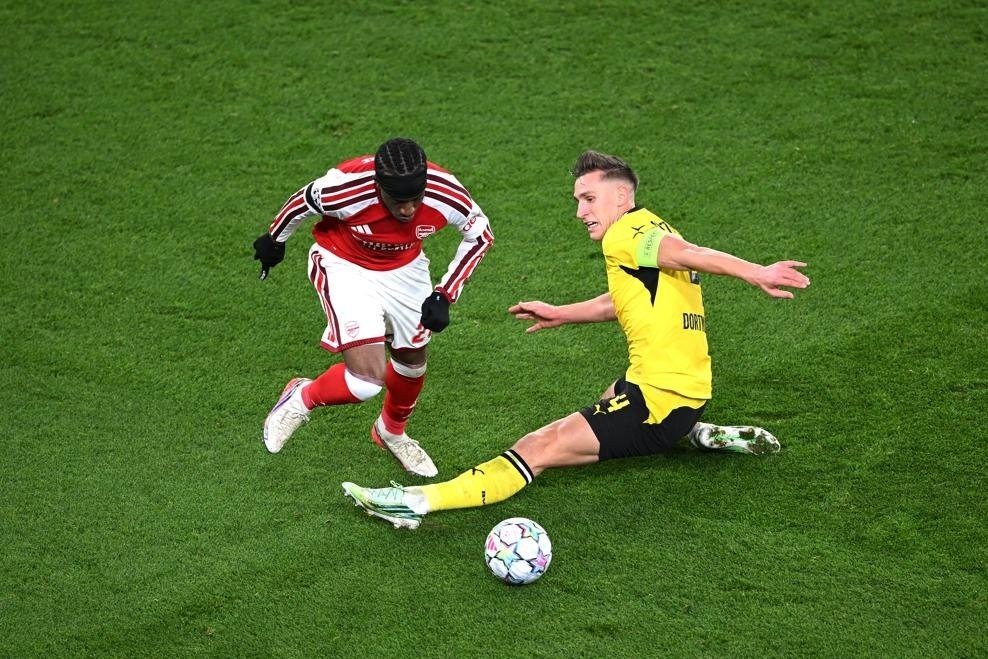
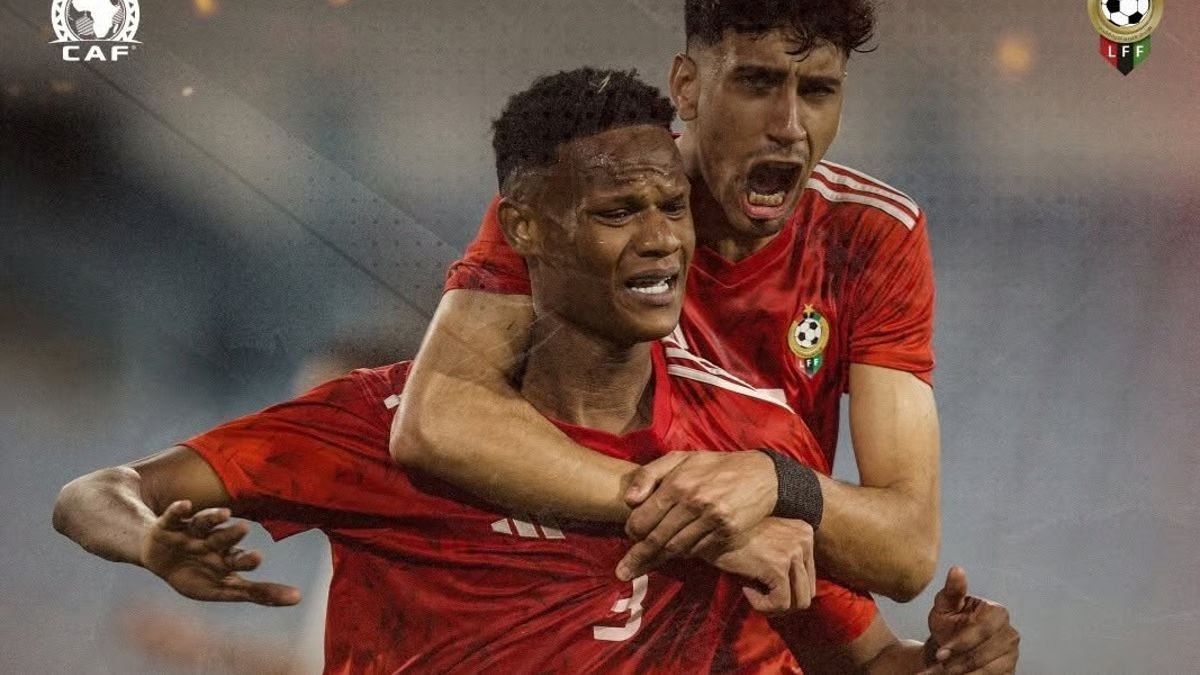
Real Madrid forward Brahim Diaz has come under renewed scrutiny from Moroccan football fans following the Court of Arbitration for Sport (CAS) decision to restore Senegal’s 2025 Africa Cup of Nations title, with his missed penalty in the final once again becoming a major talking point.
CAS overturned the Confederation of African Football (CAF) Appeals Committee’s decision to award Morocco a 3-0 victory and reinstated the original result of the final, which Senegal won 1-0 after extra time. The ruling has prompted mixed reactions in Morocco, where supporters remain disappointed by the outcome of the lengthy dispute.
While some fans have expressed anger and frustration, others have urged the national team to move on and concentrate on future competitions. A recurring message in the reactions is that Morocco must respond on the pitch by producing performances capable of restoring supporters’ confidence.
Diaz has been among the players attracting particular attention because of the penalty he missed during the closing stages of the final. The forward attempted a Panenka-style kick, but Senegal goalkeeper Edouard Mendy read the effort and saved it.
For some Moroccan supporters, that moment remains one of the most painful episodes of the match. They believe a successful penalty could have changed the course of the final, potentially allowing Morocco to take the lead before the game went into extra time.
Instead, Senegal remained in contention and eventually secured victory through Pape Gueye, whose extra-time goal settled the contest. The missed spot-kick has therefore become closely associated with the disappointment surrounding Morocco’s defeat and the subsequent legal dispute.
Some fans have argued that converting the penalty would have spared the team the uncertainty and controversy that followed the final. In their view, the result on the pitch should have provided a clear conclusion to the contest, rather than allowing the matter to develop into a prolonged battle through football’s legal institutions.
However, criticism of Diaz has not been universal. Other supporters have defended the forward, pointing out that missing a penalty should not erase his contributions to the Moroccan national team or determine how his international career is judged.
Nevertheless, many fans expect Diaz and his team-mates to respond positively in their forthcoming assignments. They believe the most convincing way to address the disappointment is through improved performances and results, rather than public exchanges or continued arguments over the final.
The situation also presents a significant challenge for Morocco head coach Mohamed Wahbi, whose task includes rebuilding confidence within the squad and ensuring the controversy does not affect the team’s preparations for future competitions.
Wahbi will be expected to strengthen the team’s collective understanding, improve its attacking effectiveness and ensure greater concentration during decisive moments. Morocco have players with considerable experience and technical ability, alongside emerging talents, but supporters will want to see those qualities translated into consistent performances.
The psychological impact of the final is another concern. The coach must help his players put the disappointment behind them and redirect their attention towards the team’s wider ambitions. Diaz, in particular, faces the challenge of overcoming the association between his name and the missed penalty.
Future performances could provide the Real Madrid forward with an opportunity to rebuild his relationship with Moroccan supporters and demonstrate his ability to handle pressure in important matches.
Meanwhile, the Royal Moroccan Football Federation has indicated that it intends to pursue all available legal avenues in response to the CAS ruling.
In its official reaction, the federation expressed surprise that the court had not taken into account its concerns about what it described as practices that could affect the integrity and credibility of the arbitration process. These included an alleged contact between German arbitrator Ulrich Haas and the president of the Senegalese Football Federation before the ruling was delivered.
The claims form part of the Moroccan federation’s stated position on the case. However, the CAS decision reinstated Senegal’s 1-0 victory in the final, overturning the earlier CAF Appeals Committee ruling that had awarded Morocco a 3-0 win.
Although the legal dispute may continue, Morocco’s immediate sporting priority is to restore confidence and maintain its competitiveness. The disappointment of losing the title remains significant, but the national team’s next performances will be crucial in determining how quickly players and supporters can turn their attention towards future success.
For Diaz, that challenge carries an additional personal dimension. The missed penalty has become a defining moment in the aftermath of the final, but his response on the pitch could help shape how Moroccan fans remember his contribution to the national team.