Within 24 hours, football fans in Egypt and Saudi Arabia witnessed two major derbies shaped by contrasting traditions, playing styles, scoring patterns and financial strength.
Al Ahly beat Zamalek 2-0 at Cairo International Stadium, while Al Hilal defeated Al-Ittihad 3-2 at Kingdom Arena in a five-goal contest that remained open until the final minutes.
Both matches carried significance beyond the three points, reflecting the status, ambition and identity of the clubs involved.
Different crowds, shared passion
The Cairo derby was played before a declared sell-out, with 40,000 tickets made available – 20,000 for each club.
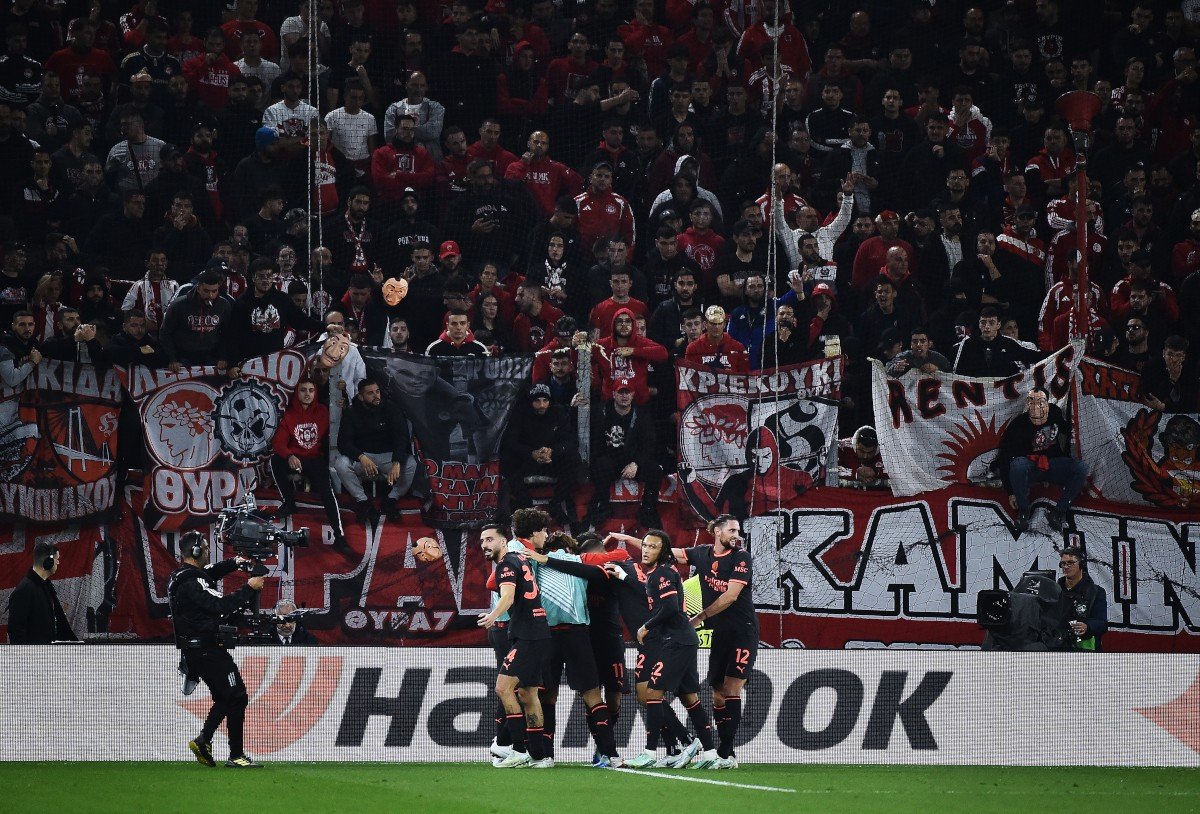
Supporters displayed banners carrying historical and national messages. Al Ahly fans celebrated the club’s title of “Club of the Century”, while Zamalek supporters remembered the heroes of the October War.
In Riyadh, the Al Hilal-Al-Ittihad fixture attracted 22,808 spectators, according to published reports. The atmosphere was similarly intense, with both sets of fans competing through chants and songs.
The match also included a pre-game celebration of Saudi Arabia’s Gulf Cup 27 success. Mohamed Al Owais brought the trophy on to the pitch, while players from both teams formed a guard of honour for the victorious national side.
The available attendance figures gave the Cairo derby the numerical advantage, but both occasions demonstrated how deeply football is connected to the history and identity of the clubs involved.
More attacking quality in Riyadh
The Riyadh derby produced a more open attacking spectacle, with Al Hilal’s Premier League arrivals making an immediate impact.
Gabriel Martinelli, Ollie Watkins and Crysencio Summerville scored for Al Hilal, underlining the influence of the club’s new signings and their ability to decide high-profile matches.
The Cairo derby followed a more controlled pattern. Al Ahly took the lead through Mohamed Hany in the 39th minute before Monsef Bekrar doubled the advantage in the 80th minute with an excellent strike from outside the penalty area.
The match offered fewer goals but still hinged on concentration and efficiency. While Al Hilal and Al-Ittihad benefited from individual quality and space in attack, Al Ahly’s victory highlighted the importance of taking chances in a highly pressurised contest.
Five goals against two
Al Hilal went ahead through Martinelli, but Youssef En-Nesyri equalised for Al-Ittihad. Watkins restored Al Hilal’s lead before Summerville made it 3-1. Steven Bergwijn reduced the deficit from the penalty spot in the 89th minute.
That gave the Saudi derby a 5-2 advantage over the Egyptian fixture in terms of goals, although the difference reflected the character of the matches rather than proving an absolute gap in quality.
Saudi clubs lead financially
The clearest contrast came in the estimated market values of the four squads, according to Transfermarkt figures for the 2026-2027 season.
Al Hilal are valued at about 193.3m euros and Al-Ittihad at 142.55m euros, giving the Saudi clubs a combined figure of 335.85m euros.
Al Ahly’s estimated value is 36.2m euros and Zamalek’s 16.93m euros, a combined 53.13m euros.
The Saudi total is therefore 282.72m euros higher – around 6.3 times the combined value of the Egyptian clubs. Market value reflects the transfer market rather than guaranteeing performance, however, and both derbies showed that money and star names alone do not determine the result.