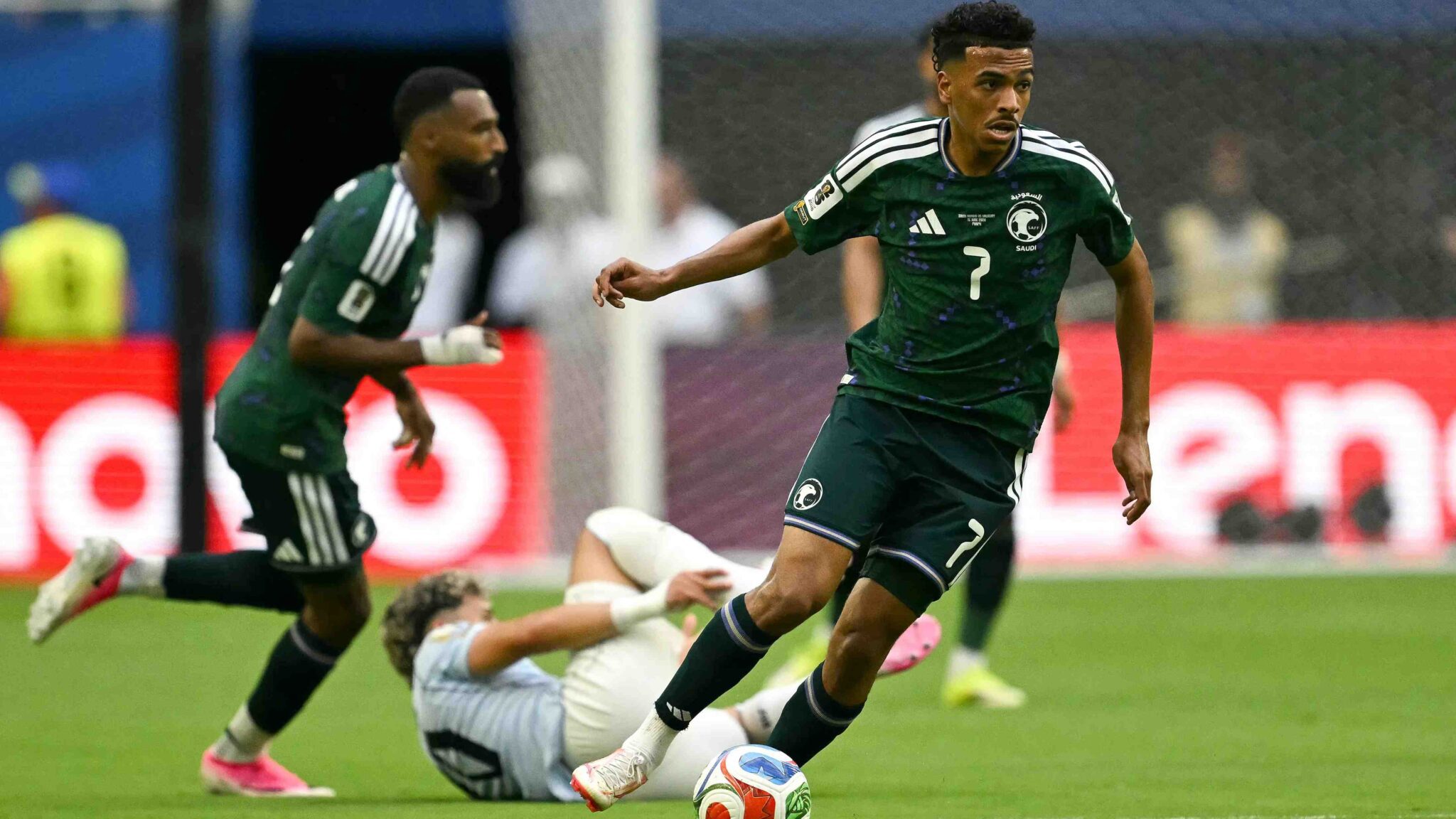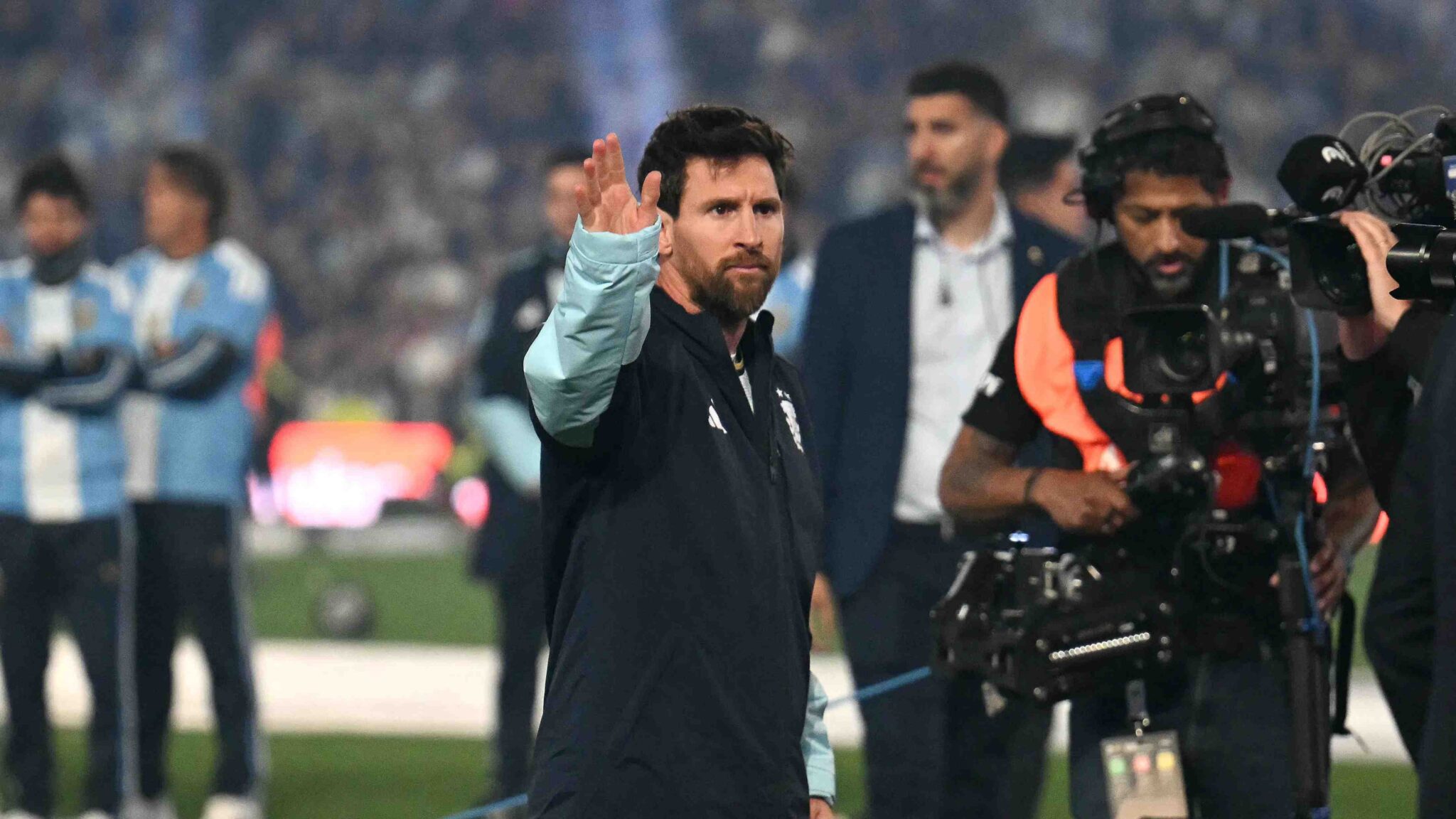

Georgios Donis guided Saudi Arabia to the Gulf Cup 27 title with a 2-0 victory over the United Arab Emirates, ending a 23-year wait for the trophy and restoring belief in a team that had repeatedly fallen short in recent years.
The triumph was more than a tournament win. It represented the rapid success of Donis’ work since taking charge, as the Greek coach transformed a side affected by inconsistency and late disappointments into a team capable of controlling matches and handling decisive moments with greater composure.
Saudi Arabia’s journey to the final had already suggested that the team’s progress was genuine rather than accidental. Their victory over the United Arab Emirates completed the job and returned the Gulf Cup to the Saudi trophy cabinet, following a long period without success.
Tactical flexibility and fresh options
In a short period, Donis established a structured approach based on pressing, possession and the ability to adapt to the demands of each match and opponent.
Saudi Arabia were no longer tied to one tactical shape. They showed the flexibility to switch between different systems while moving from defensive to attacking phases without losing their balance.
Donis also went beyond the established names in the squad. Humam Al-Hamami was given a genuine opportunity to demonstrate his qualities and became one of the tournament’s most notable new figures. The coach also recalled Saleh Abu Al-Shamat to the national team, and the player responded with a strong campaign that strengthened his case for a continued role with Saudi Arabia.
That approach was one of the clearest signs of Donis’ influence. He treated the tournament not only as an opportunity to win silverware, but also as a chance to reshape the squad and identify options for the future.
Al-Braikan back in a central role
One of the coach’s most effective decisions was restoring Firas Al-Braikan to his preferred position as a centre-forward after he had spent previous periods operating in different areas of the pitch.
Back in a role that suits him best, Al-Braikan responded quickly to Donis’ confidence by scoring three goals during the tournament. That took his total to five goals for Saudi Arabia in the current edition of the Gulf Cup, making him the second-highest scorer for the team’s generation in the competition.
His contribution was not limited to finishing. As the focal point of the attack, Al-Braikan gave Saudi Arabia a clear reference point in the final third and allowed his team-mates to move around him, adding variety to Donis’ attacking structure.
Confidence restored before the Asian Cup
Perhaps the coach’s most significant achievement, beyond the trophy itself, was rebuilding the confidence of Saudi Arabia’s supporters. The title ended a prolonged wait stretching back to the team’s previous Gulf Cup triumphs in the 2003 and 2004 editions.
Saudi Arabia are no longer simply aiming to reach finals; they have once again shown they can win them. That success could provide a major psychological boost before the next challenges, particularly the forthcoming Asian Cup, which will be held in Saudi Arabia.
Gulf Cup 27 may therefore prove to be a starting point rather than the conclusion of Donis’ project. He now has a title-winning structure, new players entering contention and established names playing with renewed confidence. The challenge will be to develop those gains before the Asian Cup, when expectations and pressure will be higher, although Saudi Arabia will arrive as holders with a markedly different sense of belief.