Libya’s decision to select a 30-man squad drawn from only six domestic clubs and one overseas-based player has sparked debate ahead of their crucial 2027 Africa Cup of Nations qualifying matches against Botswana and Uganda.
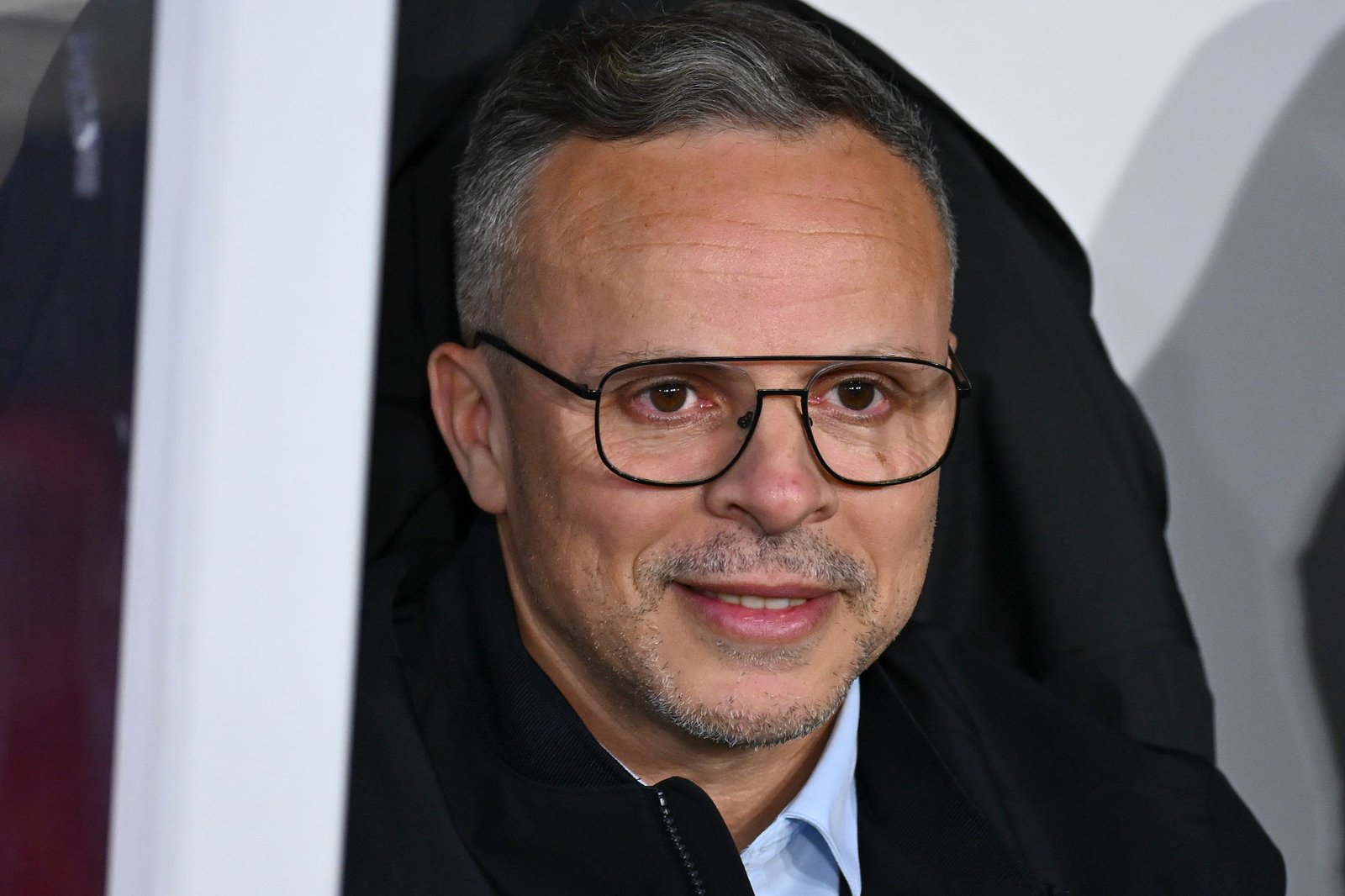
The squad, announced by Senegalese coach Youssef Dabo, has attracted criticism over the omission of several established players and emerging talents as Libya prepares for two important fixtures during the international break from 21 September to 6 October 2026.
Osama Al-Shuraimi, who plays for Tunisian club Club Africain, is the only foreign-based player included in the squad. The remaining 29 players come from six clubs in the Libyan league.
The composition of the squad has surprised sections of the sporting public, particularly because several players who impressed during the previous domestic season were not selected.
Among the notable absentees are midfielder Al-Mu’tasim Al-Musrati, attacking winger Mohamed Soula, playmaker Mu’ayyad Al-Lafi and Mohamed Al-Tabbal.
Several younger players who have recently attracted attention have also been left out. They include Alaa Al-Qajdar, Abdul Karim Helmi, Omar Oraibi and Mohamed Khalil.
The selections have led to questions about the criteria used by Dabo at a crucial point in Libya’s attempt to qualify for the continental tournament.
Some supporters have criticised what they describe as unequal opportunities for players seeking to represent the national team. They have linked the situation to organisational problems, the delayed beginning of the domestic league and allegations of favoritism and nepotism.
There has also been criticism over what some observers see as the influence of the country’s major clubs on Dabo’s squad selection.
The debate has divided Libya’s football community between those who favour experience and those who believe the national team needs significant changes.
One group argues that experienced players should form the core of the squad because of the importance of the upcoming qualifiers. They believe relying on established players could reduce the risks in matches that will have an important bearing on Libya’s qualification campaign.
Others are calling for a major change in approach, with greater opportunities for younger players to be introduced and developed as part of efforts to build a stronger national team for the future.
The selection of four goalkeepers has also raised questions. Some observers believe the decision has taken places away from areas of the squad they consider more in need of reinforcement, particularly midfield and the wide attacking positions.
Despite the disagreement surrounding the squad, there is also a call for the focus to shift towards the national team once the qualifying campaign begins.
Supporters and observers have stressed the need to put club rivalries aside and unite behind the “Knights” as they attempt to end Libya’s long absence from the Africa Cup of Nations.
Libya have failed to reach the tournament for seven consecutive editions since the 2012 finals, making the 2027 qualifying campaign another important opportunity for the national side.
The Libyans will compete in Group H alongside Tunisia, Botswana and Uganda in the qualification campaign for the 2027 Africa Cup of Nations.
The finals are scheduled to take place in Kenya, Uganda and Tanzania from 19 June to 17 July 2027.
For Dabo, attention will now turn to preparing the selected players for the upcoming fixtures, while the debate surrounding the squad is likely to continue as Libya begins its latest attempt to return to Africa’s biggest international tournament.