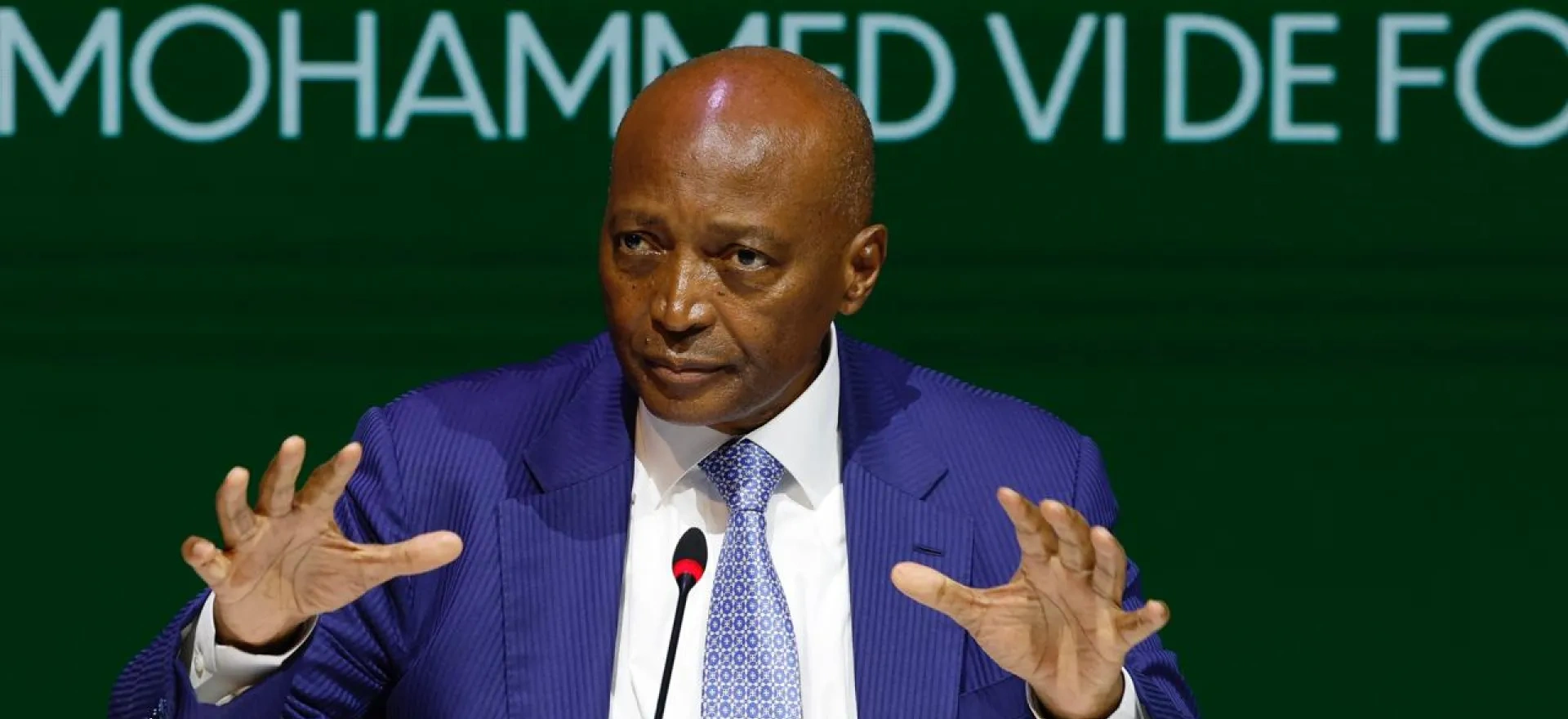
Morocco’s hosting of the 2025 Africa Cup of Nations generated an estimated US$1.8 billion in economic impact for the country, according to CAF President Dr Patrice Motsepe.
Motsepe disclosed the figure in Tanzania as a CAF delegation assessed preparations for the 2027 Africa Cup of Nations, which will be jointly hosted by Tanzania, Kenya and Uganda.
The CAF president said the assessment of Morocco’s tournament was conducted by global research and data company Nielsen, which examined the economic impact of the competition staged across Morocco in December 2025 and January 2026.
“There’s a company, a marketing company called Nielsen. When they did an assessment of the impact on the Moroccan economy of the AFCON 2025, 2026, their assessment was that the economy of Morocco benefited to the value of 1.8 billion dollars,” Motsepe said.
The figure, he explained, demonstrates the potential economic benefits African countries can derive from hosting major football tournaments.
Motsepe said the impact of AFCON should not be measured solely by match-day activity, stressing that hosting the competition should also create a lasting legacy through investment in football infrastructure.
“It’s also about building football infrastructure, making sure that our stadiums are world-class and the stadiums will be here to serve our people many years after the AFCON,” he said.
The CAF president also highlighted tourism, job creation, investment and broader economic development as areas that can benefit from hosting the continental tournament.
“The AFCON is about also uniting our people, uniting East Africa and making sure that we show the best of African football, but also the best of unity, economic development, growth, job creation, investment through football,” Motsepe added.
His comments come as CAF continues its assessment of preparations for the 2027 tournament, with Tanzania, Kenya and Uganda working together to stage the competition.
The three East African countries are expected to use the tournament as an opportunity to showcase the region while developing infrastructure and creating wider economic opportunities around Africa’s premier national-team competition.
.