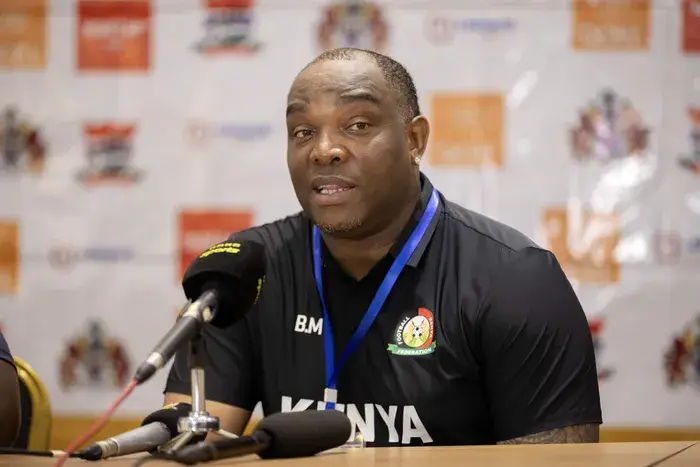
The Secretary General of the Confederation of African Football (CAF), Veron Mosengo Omba, remains in position despite increasing calls for his departure, as scrutiny intensifies over the governing body’s leadership.
The situation has drawn attention across the African football community, with critics raising concerns about governance and accountability within CAF.
Despite the mounting pressure, there has been no official confirmation of any plans for the Secretary General to step down.
Sources within African football circles suggest that dissatisfaction has been building for some time, with stakeholders questioning aspects of the organisation’s administration.
However, CAF has yet to issue a detailed public response addressing the concerns directly.
The Secretary General, who plays a central role in the day-to-day operations of the organisation, is responsible for overseeing administrative functions and implementing decisions made by CAF’s executive leadership.
His continued presence in the role signals a degree of institutional stability, even as criticism grows louder.
Observers say the pressure reflects broader tensions within African football governance. CAF, which oversees competitions and development across the continent, has faced periodic challenges in recent years, including calls for reforms aimed at improving transparency and efficiency.
While some voices have urged immediate action, others have cautioned against hasty decisions, pointing to the need for due process and internal review mechanisms. Analysts note that leadership disputes within major sporting organisations can have far-reaching implications, particularly when they affect decision-making and strategic direction.
At present, there is no indication that CAF’s executive committee has moved to formally address the issue. This has left room for speculation about potential next steps, including whether internal discussions are ongoing behind closed doors.
The absence of a clear resolution has also prompted debate among fans and football officials alike. Some argue that maintaining continuity in leadership is essential to ensure stability, particularly as CAF continues to organise major competitions and development programmes. Others believe that addressing the concerns raised is crucial to maintaining trust in the organisation.
CAF has historically played a significant role in shaping football across Africa, overseeing tournaments such as the Africa Cup of Nations and working with member associations to develop the sport at grassroots and professional levels. As such, developments within its leadership structure are closely watched both on the continent and internationally.
For now, the Secretary General remains in office, and CAF’s operations continue as usual. Whether the growing pressure will lead to concrete changes remains uncertain, but the situation underscores the ongoing challenges facing football governance in Africa.
As the debate continues, attention will likely remain focused on CAF’s next moves and whether the organisation will take steps to address the concerns raised by its stakeholders.