The Confederation of African Football will take key decisions on upcoming continental competitions when its Executive Committee meets on Sunday, March 29, in Cairo, Egypt.
Among the major items on the agenda are the scheduling and hosting arrangements for the 2026 CAF Super Cup and the Beach Soccer Africa Cup of Nations, both of which remain without confirmed venues.
CAF has proposed that the 2026 Super Cup be played on October 31, although a host location is yet to be finalised.
The annual fixture, one of the continent’s premier interclub events, brings together the winners of the CAF Champions League and the CAF Confederation Cup in a single-match showdown for continental supremacy.
In recent years, the Super Cup has frequently been staged outside Africa, with countries such as Qatar and Saudi Arabia hosting the event.
CAF is expected to deliberate on whether to continue with that model or return the match to the continent, a decision that could have both commercial and symbolic implications.
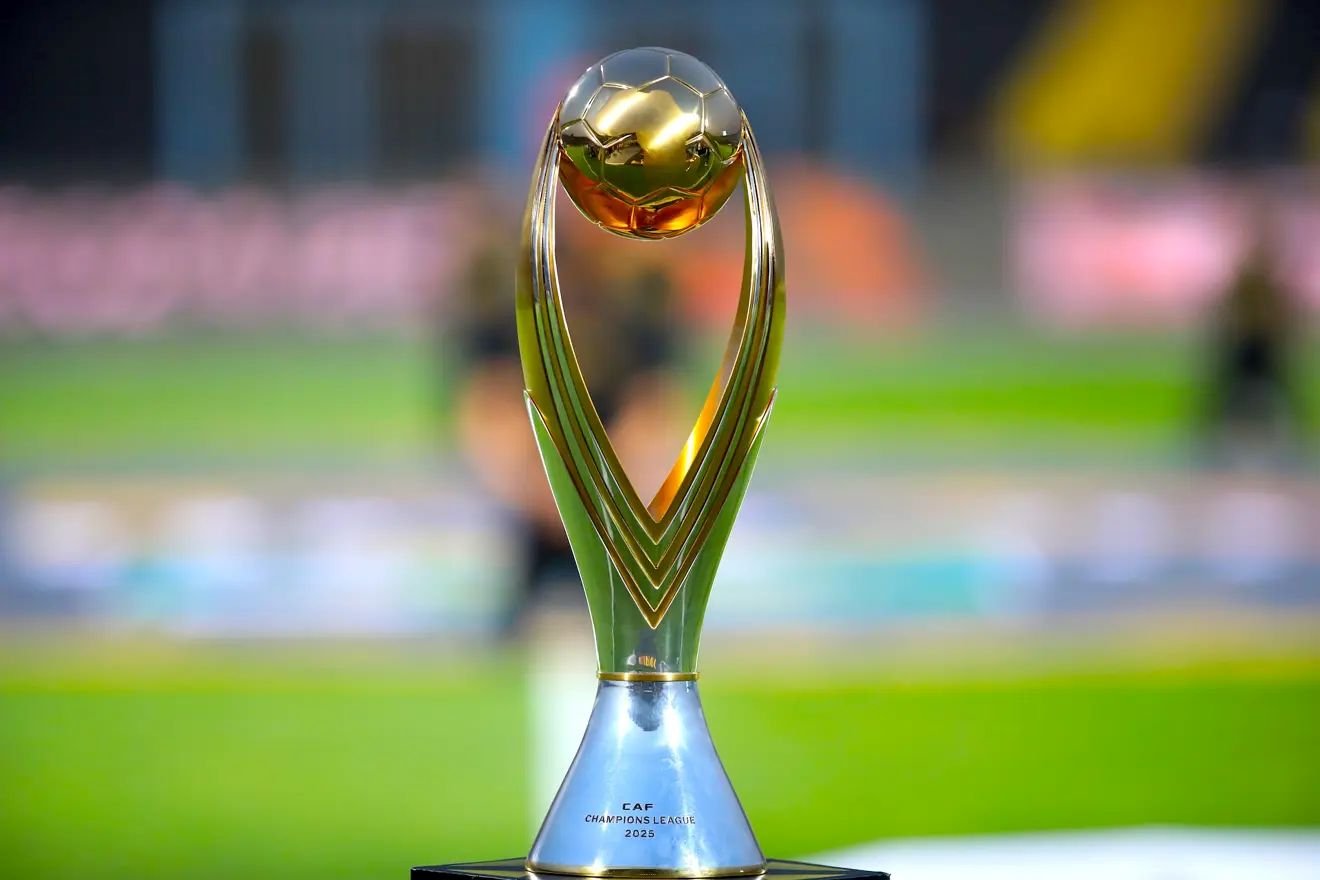
The timing of the Super Cup also aligns with the ongoing 2025–26 CAF Champions League campaign, which is currently ongoing.
The knockout phase of the competition has already begun, setting the stage for the eventual champions to face the Confederation Cup winners later in the year.
Alongside club football matters, CAF will also review plans for the 2026 Beach Soccer Africa Cup of Nations.
The tournament has been tentatively scheduled to take place from November 7 to 15, although, like the Super Cup, a host nation has not yet been confirmed.
The Beach Soccer AFCON remains the continent’s leading competition in the discipline and serves as a qualifier for the FIFA Beach Soccer World Cup.
Over the years, it has grown in stature, with several African nations investing in the sport and improving their competitiveness on the global stage.
Senegal national beach soccer team continue to dominate the competition, having won a record eight titles as of 2024.
The West African side also retained their crown in the most recent edition, underlining their status as the benchmark in African beach soccer.
CAF’s upcoming decisions are expected to shape the calendar and organisation of these competitions, while also reflecting the governing body’s broader strategy for expanding the reach and commercial appeal of African football.