Ivory Coast now know the opponents standing between them and a potential deep run at the 2026 FIFA U-17 World Cup after being drawn alongside Italy, Uzbekistan and Jamaica in Group E of the tournament in Qatar.
The competition is scheduled to run from 19 November to 13 December 2026 and will bring together some of the most promising young footballers from across the world.
For Ivory Coast’s young Elephants, the draw represents both a major challenge and an opportunity to confirm the progress of one of Africa’s most impressive youth teams.
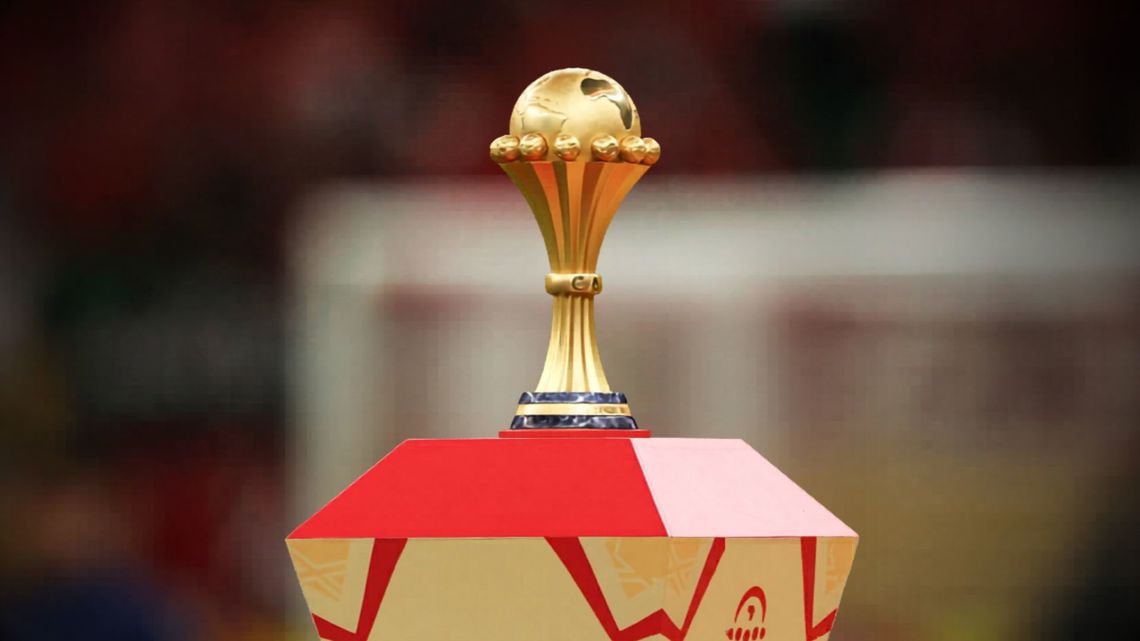
The Ivorians head into the global tournament carrying growing momentum following their performances at the ongoing CAF U-17 Africa Cup of Nations in Morocco, where they emerged unbeaten from Group B with seven points.
That campaign has already strengthened belief that the West African side could become one of the continent’s strongest representatives in Qatar.
Ivory Coast have impressed observers with their balance throughout the tournament, combining defensive discipline with attacking efficiency.
They conceded only twice during the group stage and secured qualification while showing consistency against difficult opposition.
The draw, however, guarantees that the next step will be considerably tougher.
Italy are expected to provide one of the biggest tests in Group E given the European nation’s strong youth football structure and technical quality.
Uzbekistan also arrive with growing credibility in youth competitions, while Jamaica’s presence adds another unpredictable element to the group.
Despite the difficult assignment, Ivory Coast will feel encouraged by the form they have displayed in Morocco.
Another key test awaits the young Elephants before attention fully shifts toward the World Cup. Ivory Coast are set to face Egypt in what has been described as one of the standout ties at the CAF U-17 Africa Cup of Nations.
Egypt advanced from Group A after collecting four points, while Ivory Coast progressed confidently from Group B without suffering defeat.
The Ivorians will enter that encounter with confidence continuing to grow around the squad.
Across the continent, African football supporters increasingly view youth tournaments as a measure of future senior-team success. N
ations such as Senegal, Morocco and Mali have all recently earned praise for their youth development structures, while Ivory Coast now appear eager to re-establish themselves among Africa’s elite at junior level.
The U-17 World Cup in Qatar could therefore become an important platform for the next generation of Ivorian stars.
The tournament will also provide another opportunity for African nations to challenge traditional football powers on the world stage.
African youth teams have consistently produced strong performances in international competitions, and Ivory Coast will hope to continue that trend when they face opponents from Europe, Asia and the Caribbean.