South Africa, Botswana, Namibia and Zimbabwe have officially submitted a joint bid to host the 2028 Africa Cup of Nations (AFCON), marking an ambitious attempt by Southern Africa to bring the continent’s biggest football tournament back to the region.
The four nations confirmed that their proposal had been submitted within the required deadline, opening what could become one of the most significant hosting projects in African football history.
If selected by the Confederation of African Football (CAF), the tournament would become the first Africa Cup of Nations to be jointly staged by four countries at the same time.
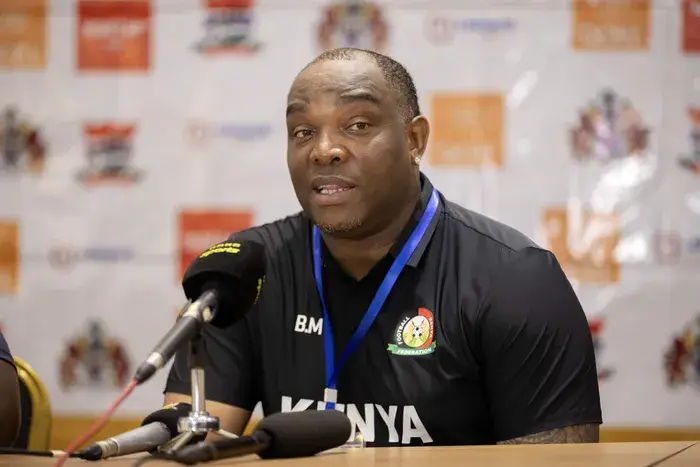
The announcement was confirmed by Tariq Bapetsung, president of the Botswana Football Association, while speaking in Harare after his election as head of the Council of Southern Africa Football Associations (COSAFA).
Bapetsung said Southern Africa possesses the infrastructure and organisational capability required to host a competition on the scale of the Africa Cup of Nations.
The proposed partnership also reflects a growing trend in international sport, where major tournaments are increasingly shared between multiple host nations in order to reduce costs and expand regional cooperation.
African football has already begun moving in that direction.
The 2027 AFCON is scheduled to be hosted jointly by Kenya, Uganda and Tanzania in East Africa, a decision that many observers believe has encouraged Southern Africa to pursue its own regional project for the following edition.
Although CAF does not officially rotate the tournament between geographical regions, many football officials across the continent view the current environment as favourable for Southern Africa’s chances.
The region has significant experience hosting international sporting events, particularly South Africa, which staged the 2010 FIFA World Cup, the first World Cup held on African soil.
The latest bid, however, seeks to present the region not only as an experienced football destination but also as a model of continental cooperation.
Part of the proposal’s strength lies in the shared hosting experience already planned between some of the countries involved.
South Africa, Namibia and Zimbabwe are due to co-host the 2027 Cricket World Cup, an event that officials believe will further strengthen logistical coordination and infrastructure readiness ahead of the AFCON decision.
Supporters of the bid also argue that a successful Southern African tournament could provide economic and sporting benefits across the region while strengthening football development and tourism.
The idea of four neighbouring countries jointly hosting the continent’s premier football event is also being viewed as a symbolic moment for regional unity within African sport.
CAF has yet to announce which other countries or regions could challenge the Southern African proposal.