France’s journey to the semi-finals of the 2026 FIFA World Cup came at the expense of two of Africa’s strongest football nations, with Senegal and Morocco both falling to Didier Deschamps‘ side at crucial stages of the tournament.
The victories over the Lions of Teranga and the Atlas Lions underlined France’s status as one of the favourites for the trophy, but they also highlighted the fine margins that continue to separate Africa’s leading teams from the world’s elite.
For Senegal and Morocco, the tournament ended with disappointment, but both teams reinforced the growing belief that African football is moving closer to competing consistently at the highest level.
Nine of Africa’s 10 representatives progressed from the group stage in the expanded 48-team World Cup, providing further evidence of the continent’s progress.
Egypt reached the knockout stage for the first time, Cape Verde impressed with a memorable campaign, while DR Congo and Ivory Coast also showed they could challenge established football nations.
However, when the decisive knockout matches arrived, France proved to have the extra quality and composure needed to survive the biggest moments.
Senegal’s early test against France
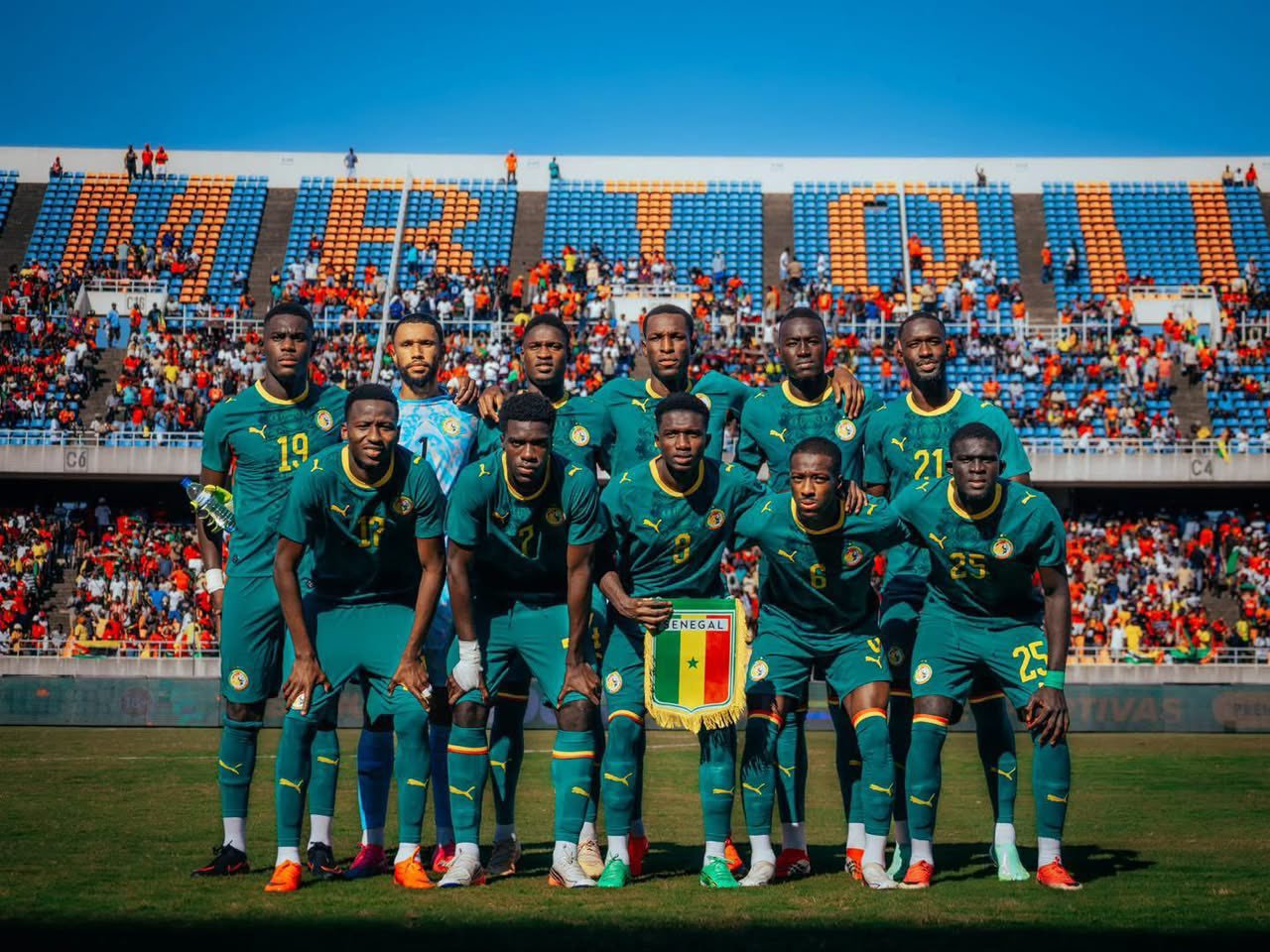
Senegal were the first African side to face France at the tournament, entering the match with confidence after years of strong performances on the international stage.
The Lions of Teranga arrived as Africa’s champions and one of the teams expected to make a deep run. Their physical strength, organisation and tournament experience made them a difficult opponent, but France quickly took control of the contest.
Les Bleus produced a disciplined performance to secure a 3-1 victory, punishing Senegal whenever opportunities appeared.
The defeat did not end Senegal’s tournament immediately, as they reached the knockout stage. However, their campaign later ended in dramatic fashion after Belgium overturned a two-goal deficit to win 3-2 in the Round of 32.
For a team that had shown so much promise, the elimination represented a painful reminder of how costly small mistakes can be at a World Cup.
Morocco’s second battle with France
Morocco entered their quarter-final against France carrying the hopes of a continent.
The Atlas Lions arrived with confidence after another impressive World Cup campaign. Following their historic semi-final appearance in Qatar in 2022, Morocco continued to prove their ability to compete against top nations.
They held their own against Brazil in the group stage and defeated the Netherlands in the knockout rounds, showing the resilience and tactical discipline that had become their trademark.
But against France, Mohamed Ouahbi’s team struggled to find the same attacking rhythm.
France’s quality in both penalty areas proved decisive as they controlled key moments and secured a 2-0 victory to reach the semi-finals.
The result ended Africa’s hopes of having a representative in the final four and meant France had eliminated both finalists from the most recent Africa Cup of Nations during the same World Cup campaign.
France’s experience makes the difference
France’s ability to handle pressure in major matches once again stood out.
Led by stars including Kylian Mbappe, Michael Olise and Ousmane Dembele, Deschamps’ team combined defensive organisation with attacking efficiency throughout the tournament.
Against Senegal and Morocco, France showed patience, punished errors and managed difficult moments better than their opponents.
For Africa’s top teams, the challenge now is turning impressive performances into victories when the margins become smaller.
A positive sign for African football
Despite the disappointment of missing out on the semi-finals, the 2026 World Cup represented another step forward for African football.
The performances of Senegal and Morocco showed that African teams are capable of competing with the world’s strongest nations, while the progress of other teams demonstrated the continent’s growing depth.
The next challenge is to turn these encouraging campaigns into history-making achievements.
Africa has reached the World Cup semi-finals only once, through Morocco’s historic run in 2022. The performances in 2026 suggest another breakthrough may not be far away.
France may have ended Africa’s dream this time, but the gap between the continent’s best teams and the world’s leading football nations continues to narrow.