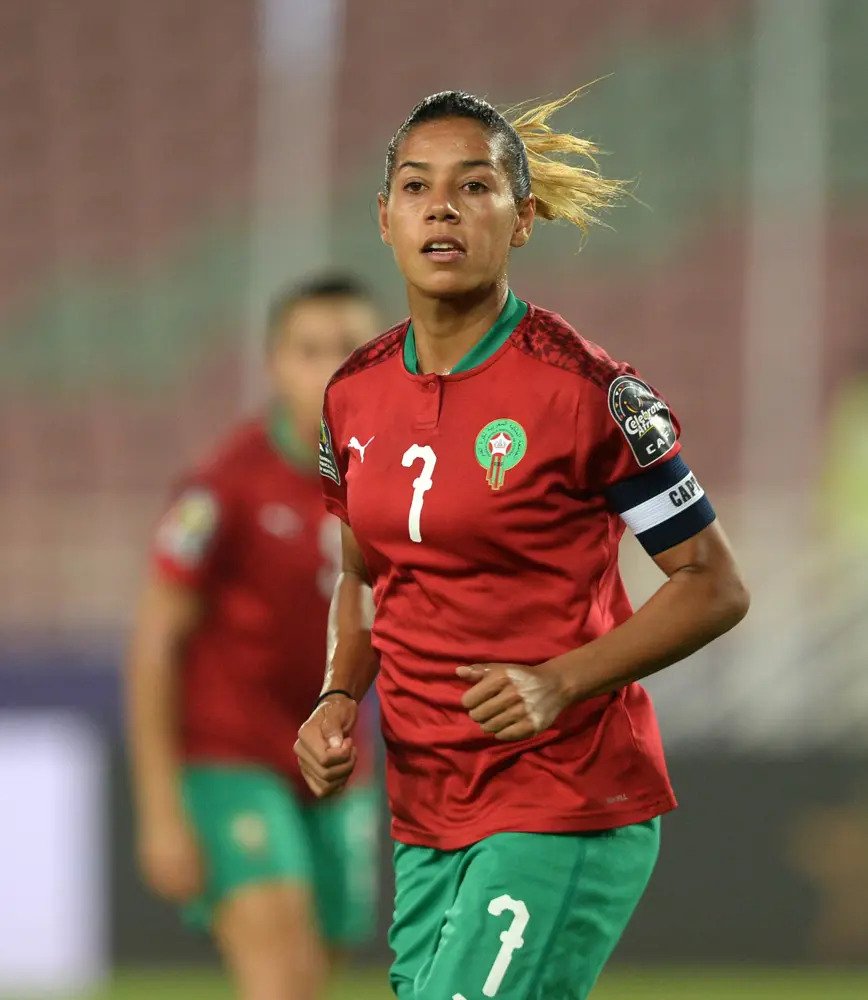
Morocco have become Africa’s highest-earning national team across the last two FIFA World Cups after collecting a combined $58 million in prize money from their impressive campaigns in Qatar in 2022 and the 2026 tournament.
The Atlas Lions received $31.5 million after reaching the quarter-finals of the 2026 FIFA World Cup, adding to the $26.5 million they earned from their historic fourth-place finish at the 2022 World Cup.
Together, the two tournaments have generated a total of $58 million in FIFA prize money for the Royal Moroccan Football Federation, underlining the country’s remarkable consistency on football’s biggest stage.
The financial milestone reflects Morocco’s emergence as one of Africa’s leading football nations, following consecutive World Cup campaigns that have elevated the Atlas Lions’ reputation internationally.
In Qatar in 2022, Morocco made history by becoming the first African and Arab nation to reach a World Cup semi-final.
That achievement transformed perceptions of African football, with the Atlas Lions defeating several established football powers before eventually finishing fourth.
Four years later, Morocco demonstrated that their success was not a one-off.
The North Africans again progressed beyond the group stage and reached the quarter-finals, reinforcing their status among the continent’s elite and ensuring another significant FIFA financial reward.
The latest prize money of $31.5 million means Morocco have comfortably surpassed every other African nation in earnings across the last two editions of the World Cup.
Their performances have provided not only sporting success but also substantial financial benefits that can contribute to the continued development of football in the country.
Among Africa’s representatives at the 2026 World Cup, Egypt finished second in terms of prize money after advancing to the Round of 16.
The Pharaohs earned $17.5 million for their campaign, making them the second-highest African earners at this year’s tournament.
Several other African nations each received $13.5 million for their participation in the competition.
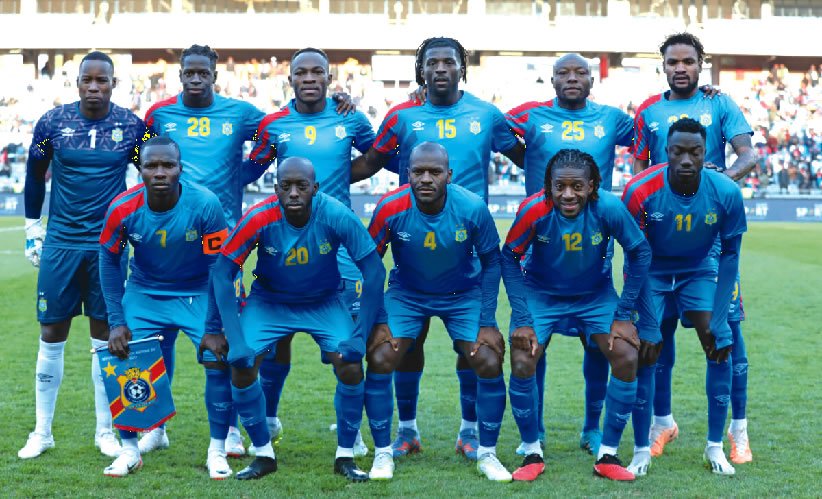
Those teams include Senegal, Algeria, DR Congo, Cape Verde, Ivory Coast, South Africa and Ghana.
Although those countries exited the tournament earlier than Morocco, their participation still generated valuable financial returns through FIFA’s prize money distribution.
For Morocco, however, the difference has been created by sustained success over two consecutive World Cups.
The Atlas Lions have now established themselves as Africa’s benchmark on the global stage, combining competitive performances with financial rewards that reflect their progress.
Successive deep runs at the World Cup have strengthened Morocco’s standing not only within African football but also among the world’s leading national teams.