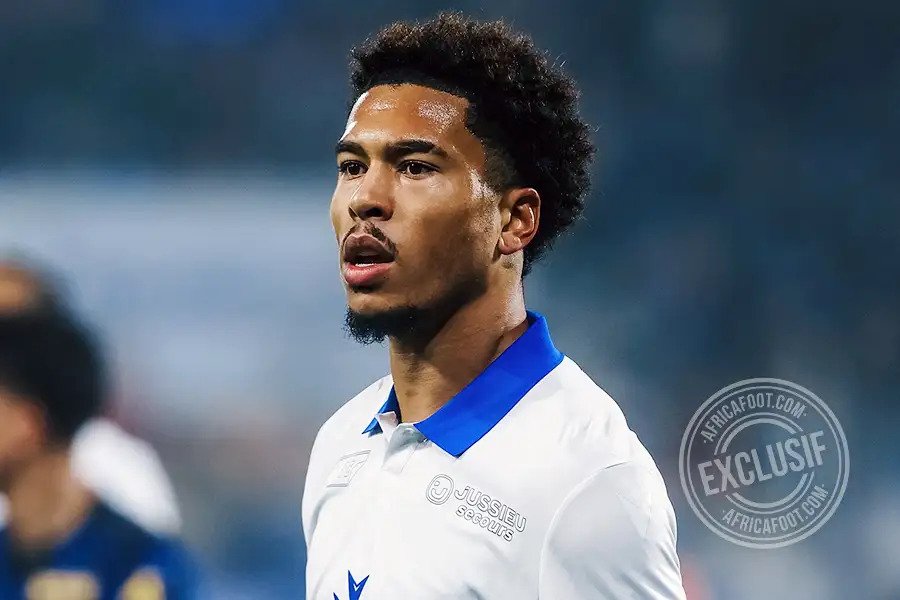
For many footballers, the path to the FIFA World Cup begins with early promise and a smooth rise through the professional ranks. For Joris, however, the journey has been defined by setbacks, injuries and persistent questions about whether he would ever reach the highest level of the game.
Now, at the age of 31, he has achieved what once seemed unlikely: competing in the biggest football tournament in the world and making an immediate impression on the international stage.
His appearance at the 2026 World Cup represents the culmination of a remarkable story of resilience, determination and perseverance.
The road to football’s grandest competition was far from straightforward. At 18, Joris was unable to secure a professional contract with Belgian club Standard. For many young players, missing out on such an opportunity can be a significant setback, often forcing them to reconsider their ambitions within the sport.
Yet that disappointment proved to be only the beginning of the challenges he would face.
A Career Tested by Injury
As he continued pursuing his football career, Joris encountered a series of serious physical setbacks.
By the age of 23, he had suffered three cruciate ligament ruptures, injuries that are among the most feared in professional football. Such injuries can require lengthy rehabilitation periods and often place careers at risk, particularly when they occur repeatedly.
For many players, recovering from a single cruciate ligament injury is a major challenge. Enduring three represented an even greater test of both physical and mental strength.
The repeated injuries raised questions about whether he would ever be able to establish himself consistently at the highest level of the game.
Despite those obstacles, Joris continued to work his way back, refusing to allow the setbacks to define his career.
Doubts Over His Future
In addition to his injury struggles, Joris also faced criticism regarding his suitability for elite football.
The article notes that he was criticised and considered unfit for top-level football by former coach Vahid Halilhodžić.
Such assessments can have a significant impact on a player’s confidence and reputation, particularly when they come from respected figures within the sport.
Yet rather than ending his ambitions, the doubts became another obstacle that he ultimately overcame.
His persistence enabled him to continue progressing, gradually rebuilding his career and proving that his football journey was far from over.
A Dream Realised on the Biggest Stage
Today, Joris finds himself where every footballer dreams of being — competing at the FIFA World Cup.
At 31 years old, he has reached the pinnacle of international football, representing the Democratic Republic of Congo on the sport’s biggest stage.
The achievement is particularly significant given the challenges he encountered along the way. From missing out on a professional contract as a teenager to battling multiple serious injuries and facing questions about his ability to perform at the highest level, his route to the World Cup has been anything but conventional.
His appearance in the tournament serves as a powerful reminder that football careers do not always follow a predictable path.
A Story Beyond the Result
While World Cup matches are often remembered for goals, victories and memorable moments, stories such as Joris’ provide another dimension to the tournament.
His journey highlights the resilience required to succeed in professional sport and the determination needed to overcome repeated setbacks.
At 31, Joris is not simply participating in the World Cup. He is living proof that rejection, injury and criticism do not necessarily determine a player’s future.
Having once been denied a professional contract, endured three cruciate ligament injuries and faced doubts about his suitability for elite football, he has now achieved the ultimate reward: a place at the world’s biggest football competition and a moment that few could have predicted during the most difficult periods of his career.