Host nation Morocco will once again carry the hopes of an entire country when the 2026 Women’s Africa Cup of Nations kicks off, with the Atlas Lionesses aiming to finally claim the first continental title in their history.
After finishing runners-up in each of the last two editions, Morocco enters the tournament as one of the favourites, hoping home support can inspire the team to go one step further this time.
The North Africans have emerged as one of the fastest-rising forces in African women’s football in recent years, transforming themselves from newcomers into genuine title contenders.
Having narrowly missed out on the trophy in successive finals against South Africa and Nigeria, Morocco now has another opportunity to end its wait for continental success.
The 2026 tournament also marks another milestone for the Atlas Lionesses, who are preparing for their fifth appearance at the Women’s Africa Cup of Nations.
Despite never lifting the trophy, Morocco’s recent progress has established the team among Africa’s elite.
Hosting the tournament again provides an added incentive as the nation looks to complete its remarkable rise with a maiden WAFCON crown.
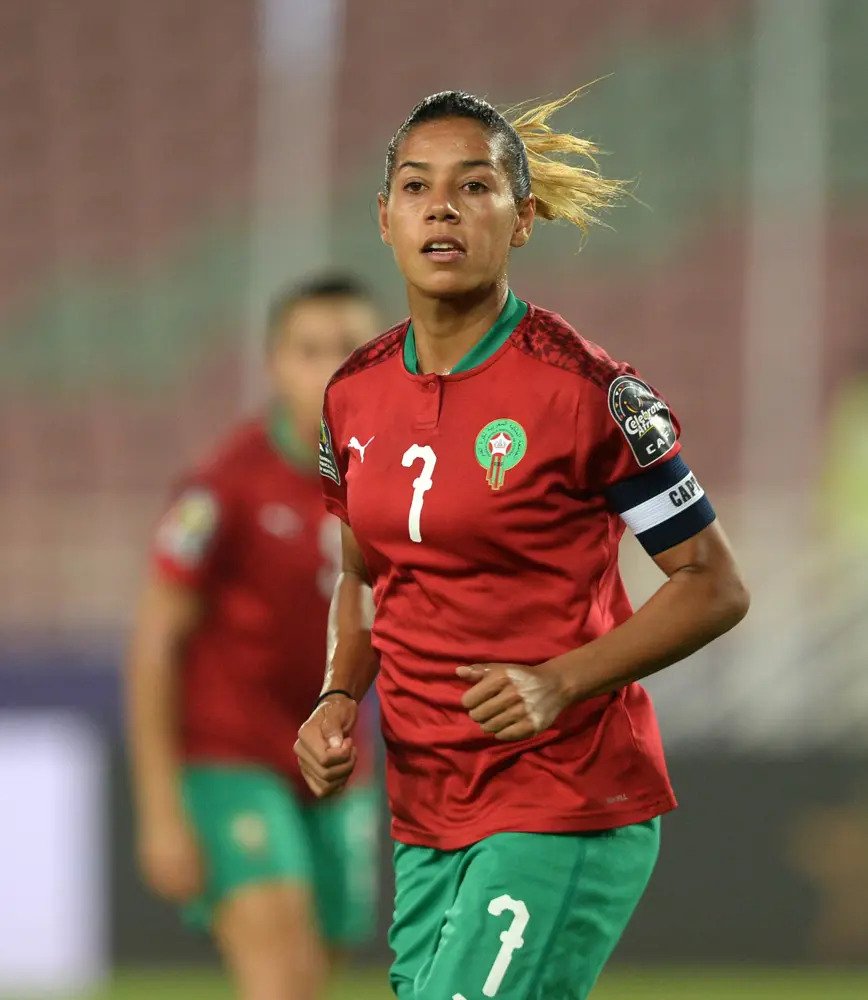
Leading Morocco’s challenge will once again be captain and attacking midfielder Ghizlane Chebbak, who remains the team’s most influential player.
Chebbak has been at the heart of Morocco’s success over recent years and will once again be expected to provide leadership, creativity and goals as the hosts attempt to navigate a competitive Group A.
Morocco will begin its campaign against Kenya before facing regional rivals Algeria in one of the most anticipated fixtures of the group stage.
The Atlas Lionesses will conclude their first-round matches against Senegal, with all three games taking place at the Moulay Hassan Stadium in Rabat.
The hosts will be aiming to make a strong start against Kenya before turning their attention to what could prove to be decisive encounters against Algeria and Senegal in the battle for a place in the knockout rounds.
The squad selected for the tournament combines experienced internationals with players who have grown alongside Morocco’s recent rise in women’s football.
Goalkeepers Khadija Er-Rmichi, Ines Arouaissa and Fatima-Zahra El Jebraoui have been included to provide competition between the posts.
In defence, Morocco will rely on Hanane Aït El Haj, Zineb Redouani, Aziza Rabbah, Siham Boukhami, Rania Boutiebi, Nouhaila Benzina, Maryame Atiq and Nesryne El Chad.
The midfield features captain Ghizlane Chebbak alongside Soumia Hady, Najat Badri, Hajar Said, Yasmin-Katie Mrabet and Élodie Nahla.
Morocco’s attacking options include Kenza Chapelle, Imane Saoud, Kautar Azraf, Jade Nassi, Fatima Tagnaout, Sakina Ouzraoui, Chaimaa Mourtaji, Ibtissam Jraidi and Sanaa Mssoudy.
Across Africa, Morocco’s continued progress has become one of the major success stories in women’s football.
Consecutive appearances in the WAFCON final have demonstrated the country’s growing competitiveness, while hosting another edition of the tournament offers an opportunity to showcase the development of the women’s game on the continent.
The Atlas Lionesses know expectations will be high, particularly after coming so close to continental glory in recent years. However, playing before home supporters could provide the extra motivation needed to finally secure the title that has narrowly eluded them.
Morocco’s Group A fixtures
26 July: Morocco vs Kenya – Moulay Hassan Stadium, Rabat (20:00 GMT)
30 July: Morocco vs Algeria – Moulay Hassan Stadium (20:00 GMT)
3 August: Senegal vs Morocco – Moulay Hassan Stadium (20:00 GMT)