The Algeria national football team’s 1-0 friendly victory over the Netherlands national football team in Rotterdam offered both encouragement and concern for head coach Vladimir Petkovic as he continues shaping his squad ahead of the 2026 World Cup.
While the result at the end of a competitive match at De Kuip boosted confidence among supporters, the performance itself told a more complex story, with several players strengthening their case for selection while others struggled to meet expectations.
Algeria produced a disjointed first-half display before improving significantly after the break, following a series of substitutions made by Petkovic. The changes altered the rhythm of the match, allowing Algeria to gain control and ultimately secure a narrow win through a disciplined second-half performance.
Petkovic made eight substitutions in total, using the friendly to assess as many as 19 players in a single match environment. Only Luca Zidane, Zinedine Belaid and Nabil Bentaleb played the full 90 minutes.
The rotation allowed several players to make an impression, but also exposed inconsistencies in others, particularly in midfield and attack.
Zerrouki, Aouar and Amoura under scrutiny
Among the most criticised performers were midfielders Ramez Zerrouki and Houssem Aouar, along with striker Mohamed Amine Amoura, who all struggled to make a decisive impact in a match of high intensity and tactical importance.
Zerrouki’s display once again raised questions about his suitability within Algeria’s attacking structure. Observers felt his presence in midfield slowed the team’s rhythm, with criticism focusing on his compatibility alongside Bentaleb. His substitution in the second half coincided with a noticeable improvement in Algeria’s midfield balance, particularly in terms of attacking fluidity.
His inclusion in the starting lineup also drew criticism from sections of the fanbase, with many questioning Petkovic’s continued reliance on him in a defensive midfield role despite growing doubts over his effectiveness.
Aouar, who plays for Al Ittihad, also came under heavy scrutiny. His performance in the first half was widely described as subdued, with limited involvement both defensively and offensively. Supporters and analysts alike suggested he failed to impose himself on the game, leading to his substitution at half-time. His replacement, Ibrahim Maza, was considered more impactful during the second half.
Amoura’s performance further intensified debate over his role in the squad. The Wolfsburg forward, who plays for VfL Wolfsburg, missed several clear opportunities and was criticised for moments of excessive individualism in attacking positions. Despite remaining on the pitch for around 70 minutes, he was unable to convert possession into meaningful end product, adding to concerns over his consistency at international level.
Zidane emerges as clear standout
In contrast, goalkeeper Luca Zidane was widely regarded as the standout performer of the match.
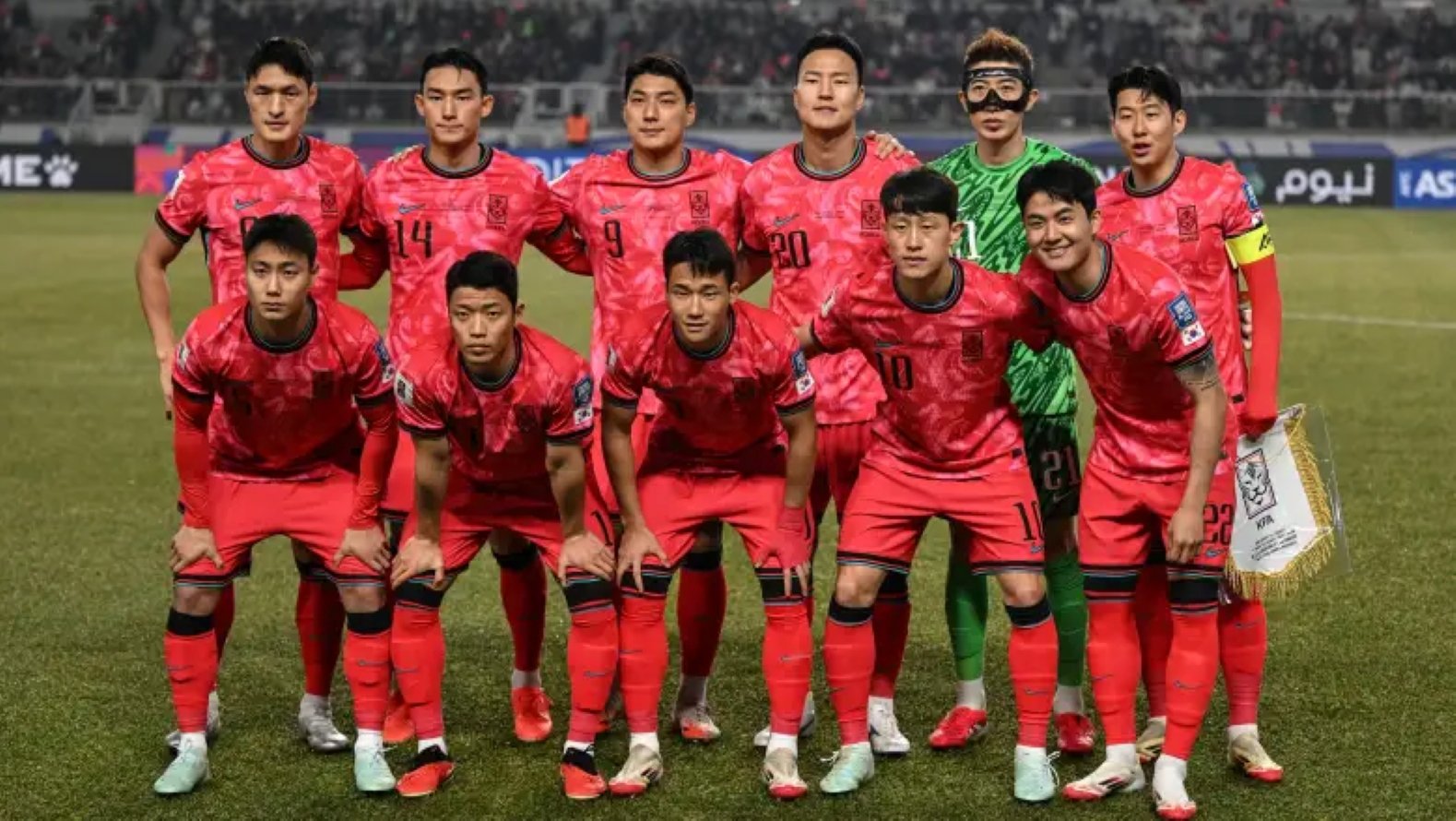
Zidane produced several key saves that preserved Algeria’s advantage and drew praise from supporters and analysts alike. His composure and shot-stopping ability were particularly noted, especially given that he played while wearing a protective face mask, which he may continue to use during World Cup matches.
His performance has strengthened his case as a reliable option for Petkovic heading into the tournament.
Selection decisions intensify
The match highlighted the depth of experimentation still ongoing within the Algerian squad, as Petkovic continues to evaluate combinations and individual form ahead of the World Cup.
With the tournament approaching and expectations rising following the win over the Netherlands, the coaching staff now faces increasingly difficult decisions regarding midfield balance and attacking selection.
While Algeria will take confidence from the result in Rotterdam, the performance also underlined that significant refinement is still required if the team is to compete consistently at the highest level.