FIFA President Gianni Infantino says football’s world governing body will examine the possibility of expanding the men’s World Cup to 64 teams once the 2026 tournament has concluded.
Speaking to Swiss broadcaster Blue Sport, Infantino said discussions over the future structure of the competition would begin after the current edition, which is being jointly hosted by Canada, Mexico and the United States.
The announcement comes after the 2026 World Cup became the first in history to feature 48 competing nations, following FIFA’s decision to increase the size of the tournament from the previous 32-team format.
Before the tournament began, the expansion attracted criticism from some observers. However, the competition has since been widely regarded as a success, providing further momentum for discussions about whether the World Cup should continue to grow.
Infantino said FIFA’s long-term vision is to ensure the tournament offers greater opportunities to countries from every continent, rather than remaining a competition largely dominated by the traditional football powers of Europe and South America.
According to the FIFA president, expanding the number of participating nations gives more countries a realistic pathway to qualify for the finals while also strengthening the development of football around the world.
He said the World Cup should reflect the global nature of the sport by representing nations from every region rather than only the established elite.
Infantino also argued that increasing the number of places at the finals provides emerging football nations with additional motivation to improve, believing that realistic qualification opportunities can help accelerate development at both national and regional levels.
Reflecting on the 2026 competition, the FIFA president praised the standard of the tournament and pointed to the performances of teams from across the world as evidence that expansion has been beneficial.
He noted that nations from every continent managed to score goals and collect points during the competition, suggesting that the increased number of participants had not diminished the overall quality of the event.
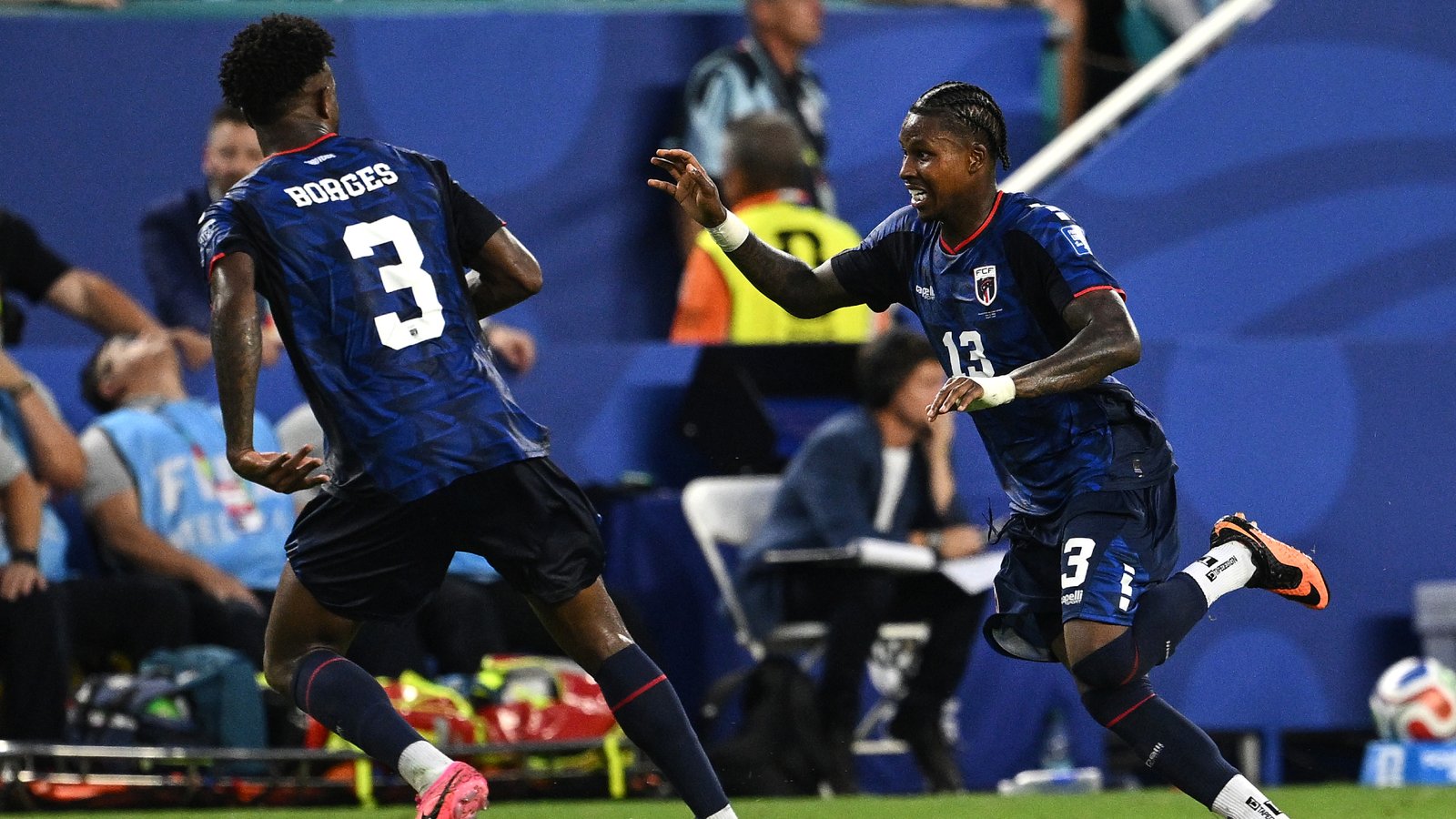
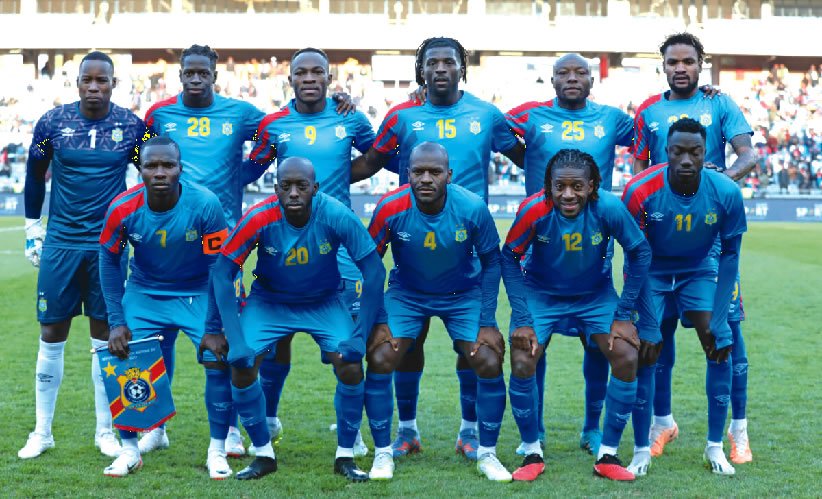
Infantino singled out Africa’s performances as one of the standout features of the tournament.
He revealed that nine of the continent’s 10 representatives reached the knockout stage, a significant improvement compared with the previous World Cup, when only five African teams participated in the competition.
He described that achievement as proof that widening access to the tournament has enabled more nations to compete successfully on football’s biggest stage.
The 2026 edition represented the latest step in the evolution of the World Cup’s format. Before the increase to 48 teams, the tournament had previously been expanded from 24 to 32 nations in 1998, marking another significant change in its history.
Any further expansion would represent another major development for international football, although Infantino indicated that formal discussions on the issue will not begin until after the conclusion of the current tournament.
Attention is also beginning to turn towards future editions of the competition. The 2030 FIFA World Cup is scheduled to be hosted by Morocco, Portugal and Spain, while Saudi Arabia is set to stage the 2034 tournament.
Whether those future tournaments retain the 48-team format or move to an even larger field of 64 nations is expected to become a key topic of discussion once FIFA begins reviewing the future of its flagship competition after the end of the 2026 World Cup.