The expanded 48-team format of the 2026 FIFA World Cup has delivered more matches and greater global representation, but it has also created unprecedented pressure on national team coaches, with a record number of managers losing their positions during the tournament.
Fourteen coaches have either been dismissed or stepped down during the competition, as football associations respond quickly to disappointing results and rising criticism from supporters and the media.
The latest high-profile departure came in Senegal, where head coach Pape Thiaw was removed from his position after the Teranga Lions suffered a dramatic Round of 32 elimination against Belgium.
Senegal looked on course to reach the next stage after establishing a 2-0 advantage against the Europeans. However, a late collapse saw Belgium fight back to force a 2-2 draw, before a controversial penalty in the 118th minute of extra time ended Senegal’s hopes of progressing.
The defeat triggered immediate frustration within the squad, with midfielder Pape Gueye expressing his anger over the team’s situation.
“I will walk away from international football entirely if this technical staff remains in place” declared a furious Pape Gueye exposing a deep rift within the squad.
The Senegalese Football Federation moved quickly following the fallout, deciding to end Thiaw’s tenure. The 45-year-old had taken charge of the national team in 2024, but his World Cup exit proved decisive as pressure mounted.
Thiaw’s departure has become part of a wider trend at the 2026 tournament, where national associations have shown little willingness to tolerate underperformance.
Among the other coaches affected are several experienced figures and managers from traditionally strong football nations.
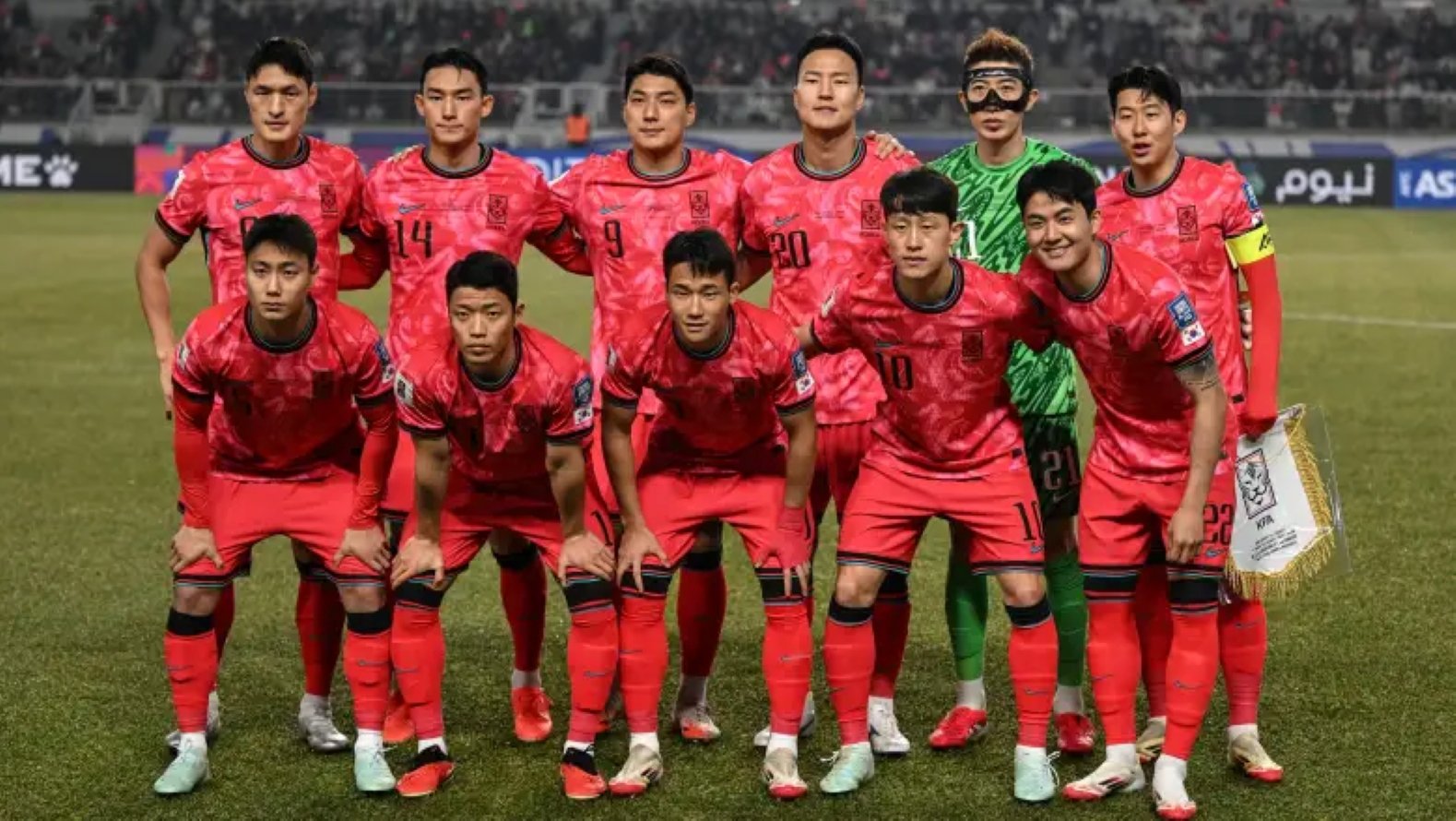
Tunisia dismissed Sabri Lamouchi after a heavy 5-1 defeat by Sweden during the group stage, while Steve Clarke of Scotland, Miroslav Koubek of the Czech Republic, South Korea’s Hong Myung-bo, Uruguay’s Marcelo Bielsa and Tunisia’s Hervé Renard all left their roles after group-stage exits.
The pressure continued into the knockout rounds, with Ecuador’s Sebastián Beccacece, Netherlands manager Ronald Koeman and Germany coach Julian Nagelsmann losing their jobs after Round of 32 eliminations.
Mexico’s Javier Aguirre resigned after his team’s Round of 16 departure, while Ghana’s Carlos Queiroz, Portugal’s Roberto Martínez and Croatia’s Zlatko Dalić also left their posts following their teams’ exits.
The scale of the coaching changes reflects a changing environment in international football. In previous World Cups, reaching the first knockout stage was often considered a respectable achievement for many nations. However, the introduction of the Round of 32 has altered expectations and increased the pressure on teams to progress further.
For major football countries, early elimination now carries significant consequences. Failure to reach the later stages of the tournament can bring intense scrutiny because of the financial, sporting and cultural importance attached to World Cup success.
The struggles of established nations such as Germany, the Netherlands and Portugal have demonstrated the growing demands placed on coaches at the highest level.
The 2026 World Cup was designed to create more opportunities for teams from around the world, but the increased competition has also produced a harsher environment for managers.
With more teams involved and more knockout places available, expectations have risen rather than eased. For many national team coaches, the expanded tournament has become a stage where one disappointing result can determine their future.
As football continues to evolve, the 2026 World Cup may be remembered not only for its larger format and wider representation, but also for the unprecedented number of coaching departures it produced.